
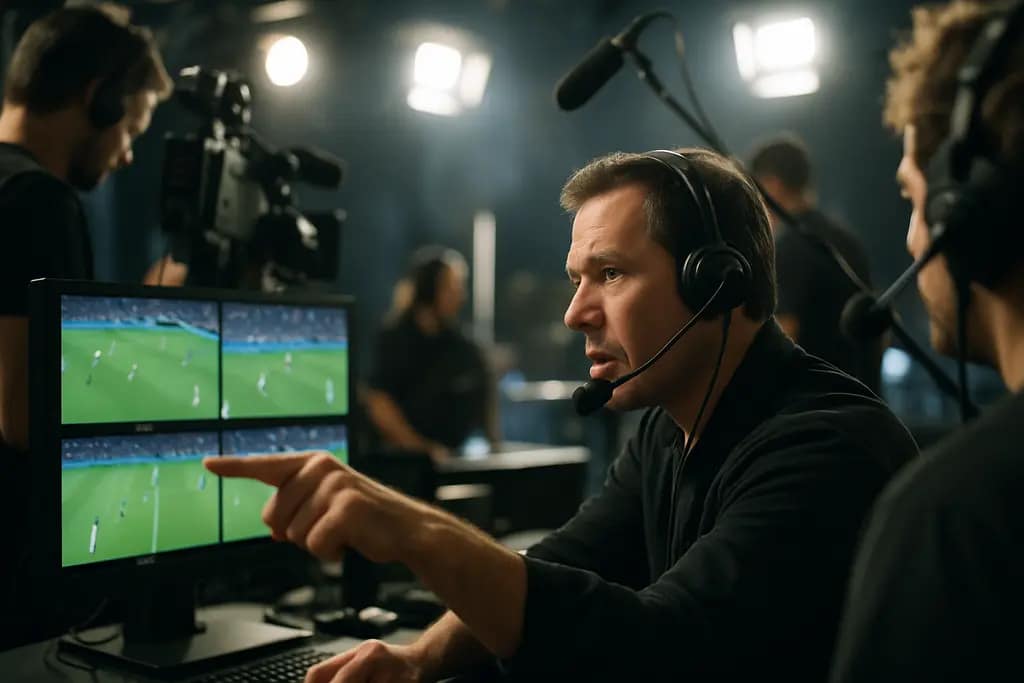
Confirmed: On August 6, 2026, the FCC voted 2-1 to eliminate the national television ownership cap that had limited a company’s reach to 39 percent of U.S. television households, replacing it with case-by-case review for station deals, as The Washington Post reported. The FCC Broadcast Rules change matters because local television is not just a business category. It is a delivery system for local news, emergency information, sports access, political advertising, syndicated entertainment, and the regional identity that keeps many viewers attached to broadcast stations even as streaming grows.
Market-analysis: the most direct industry effect is likely to be scale. Larger station groups may be able to centralize technology, negotiate carriage from a stronger position, and spread programming costs across more markets. The cultural question is whether that scale improves local service or reduces the number of distinct editorial voices available to viewers. The answer will not be visible in one merger filing. It will appear in schedules, newsroom staffing decisions, sports carriage disputes, and the tone of local coverage over time.
Why FCC Broadcast Rules Changed The Station Map
FCC Broadcast Rules And The Scale Argument
Confirmed: the prior 39 percent cap was the line that shaped how large a national station group could become. The August 6, 2026 vote removed that fixed national ceiling and shifted the question to public-interest review. That is a major change in the structure of broadcast ownership because it replaces a bright-line limit with a more discretionary process.
Supporters of larger station groups tend to argue that scale can help broadcasters compete against national streaming platforms, cable networks, and digital advertising systems. That argument has some logic. Local stations now compete for ad dollars, distribution visibility, sports packages, and audience attention against companies with national reach and deep user data. If the old cap limited broadcasters while their competitors kept growing, large station owners were likely to frame the cap as a mismatch.
Opinion, based on the confirmed rule change: viewers should not evaluate the ownership shift only by asking whether station groups become larger. The more useful test is whether local output becomes more useful. If a station group expands and invests in local reporting, emergency coverage, accessibility, and region-specific programming, audiences may see benefits. If expansion mainly produces shared content, thinner local reporting, or fewer independent editorial choices, the public-interest case will be harder to defend.
What Case-By-Case Review Does Not Tell Viewers
Case-by-case review gives regulators room to examine specific transactions. It also makes outcomes harder for ordinary viewers to anticipate. A fixed cap is easy to understand. A discretionary review depends on evidence, legal arguments, ownership structure, market conditions, and public-interest claims. That means the next phase of broadcast regulation may be fought less through one national rule and more through individual transactions.
That shift raises a communication problem for broadcasters. If companies seek larger station portfolios, they will need to explain what local audiences gain. Vague promises about efficiency will not be enough for communities that rely on local stations for city government coverage, school updates, severe weather, high school sports, and regional cultural programming. SiteBob has tracked a related ownership question in its analysis of local TV news competition, where the key issue is not only who owns stations, but how many meaningful local choices remain for viewers.
What Distribution Power Means For Local Content
Carriage Pressure And Viewer Costs
Market-analysis: distribution power is likely to be the first place viewers feel the rule change indirectly. Local broadcasters negotiate retransmission consent with cable, satellite, and streaming carriage providers. A larger station group may be able to bargain across more markets, which can give it more influence in carriage talks. The research record behind the rule debate points to concern that higher fees could be passed through to consumers by distributors.
That does not mean every carriage negotiation will produce higher bills or blackouts. It means the bargaining balance may change. For audiences, the experience of local TV increasingly depends on intermediaries: cable bundles, satellite packages, live TV streaming services, station apps, digital antennas, and free ad-supported channels. A station’s ownership structure can affect which of those routes carries the signal, at what price, and under what terms.
Local News Investment Is The Promise
The strongest pro-consolidation claim is investment. Larger station owners may argue that they can fund better newsroom tools, broader weather systems, investigative units, and more resilient technical operations. In some markets, that could matter. Local newsrooms have faced advertising pressure for years, and local broadcast still reaches audiences that may not subscribe to newspapers or paid streaming news products.
The strongest counterargument is local voice. If consolidation leads to shared scripts, centralized editorial decisions, or reduced reporting presence in smaller communities, viewers could lose coverage that reflects local concerns. The FCC Broadcast Rules debate, then, is not only about business structure. It is about whether local stations remain local in practice.
Sports Rights As A Public-Interest Stress Test
Free Access Versus Paid Distribution
Confirmed: in February 2026, the FCC opened a proceeding seeking public comment on the migration of live sports from free broadcast television to pay TV and streaming services, including how sports-media rights deals relate to broadcasters’ public-interest obligations, according to the FCC’s public notice. That proceeding belongs in the same conversation as station ownership because live sports remain one of the few programming categories that can still gather large, time-sensitive audiences.
For fans, sports distribution is often where abstract media policy becomes personal. A family that once watched a local team on free TV may now need a pay TV package, a streaming subscription, or several services across a season. The public-interest question is not whether leagues and broadcasters can make commercial deals. They can. The question is how much culturally important local and regional sports access should remain available through free broadcast channels.
Why Sports Fans Read Policy Through Access
Audience-analysis: fans rarely describe their frustration in regulatory language. They talk about missing games, rising costs, confusing schedules, and not knowing which service carries which event. That reaction matters. If local broadcasters become larger and use that scale to secure more sports inventory on free channels, fans may welcome the shift. If scale contributes to higher carriage fees or more fragmented access, the same viewers may see consolidation as one more barrier.
The sports proceeding also shows why broadcast policy has cultural stakes beyond nightly news. Live sports produce shared regional rituals. So do awards shows, local parades, debates, festivals, and community events. For those interested in exploring how media distribution decisions shape cultural experiences, Biff Award is a related site within the same network offering valuable insights.
Audience Risks In The FCC Broadcast Rules Shift
Trust Depends On Visible Local Value
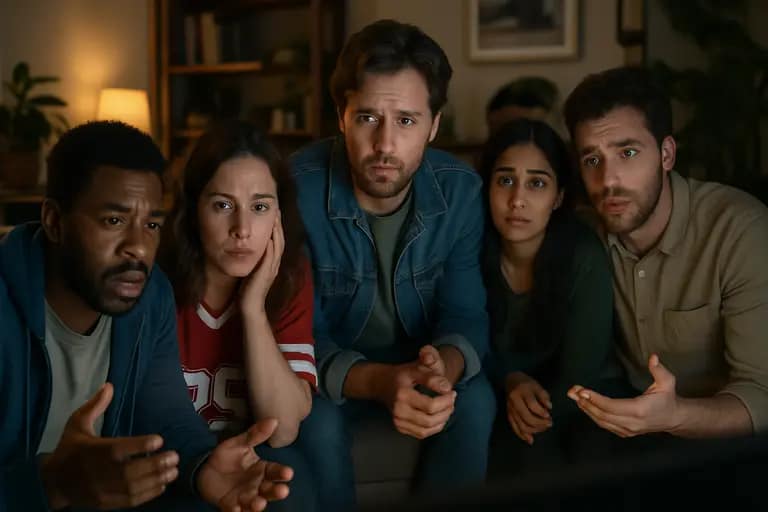
The risk for broadcasters is not only regulatory pushback. It is audience distrust. Viewers may accept ownership changes if they see better service: more timely emergency alerts, stronger investigative work, clearer sports access, better local election coverage, and programming that reflects the community. They are less likely to accept ownership changes if stations feel more generic after consolidation.
Market-analysis: local stations should treat the post-cap environment as a public proof period. If broadcasters want to argue that scale helps audiences, they need audience-facing evidence. That evidence can include newsroom expansion, local reporting hours, emergency coverage performance, captioning and accessibility improvements, community event coverage, and clearer explanations of where viewers can receive the station.
Fandom Habits Are Already Fragmented
Television viewers no longer behave as one mass audience. Some still use antennas. Some pay for cable or satellite. Some use live TV streaming bundles. Some encounter local clips through social platforms without watching a full broadcast. Some follow sports through league apps and highlights. This fragmentation makes local broadcasters more dependent on distribution strategy than they were in the past.
That is why the FCC Broadcast Rules shift should be analyzed through audience behavior, not only ownership charts. A station group can own more stations, but the cultural value depends on whether viewers can find and use the content. Reach on paper is not the same as access in daily life.
What Broadcasters Should Measure Next
Public-Interest Metrics Need To Be Concrete
Opinion: the next phase should be judged by practical audience outcomes. Broadcasters, regulators, and civic groups should pay close attention to what changes after ownership deals receive review. Public-interest language can become too broad unless it is tied to visible outputs.
- Local reporting hours before and after ownership changes.
- Emergency alert performance during severe weather and public-safety events.
- Number of locally produced programs, debates, and community specials.
- Sports events available on free broadcast channels versus paid services.
- Carriage disputes, blackouts, and consumer price pressure.
- Accessibility measures, including captioning quality and multilingual service where relevant.
These measurements do not answer every legal question. They give viewers and policymakers a clearer way to test whether scale is producing civic value. If local broadcasters ask for flexibility, audiences can reasonably ask for proof.
FCC Broadcast Rules And The Local Viewer Bargain
The Rule Change Is A Beginning, Not A Verdict
The elimination of the national ownership cap did not settle the future of local television. It opened a new period in which station groups may seek greater scale, regulators may examine deals one by one, and viewers may experience the results through programming, sports access, carriage costs, and local news quality.
The cultural bargain is direct. Broadcasters receive privileged access to public airwaves and, under the new system, may seek broader ownership reach. In return, audiences should receive clear local value. That value cannot be measured only in corporate efficiency or deal size. It has to show up in the content people depend on: reliable news, accessible sports, emergency information, civic coverage, and programming that still feels rooted in place.
If larger station groups use scale to strengthen that bargain, the FCC’s 2026 decision could help local broadcasters compete in a fragmented media economy. If scale weakens local identity or pushes more content behind confusing distribution walls, the public-interest debate will intensify. For viewers, the real test starts not in the FCC vote count, but on the channels, apps, and services where local content either remains accessible or slips further away.


