
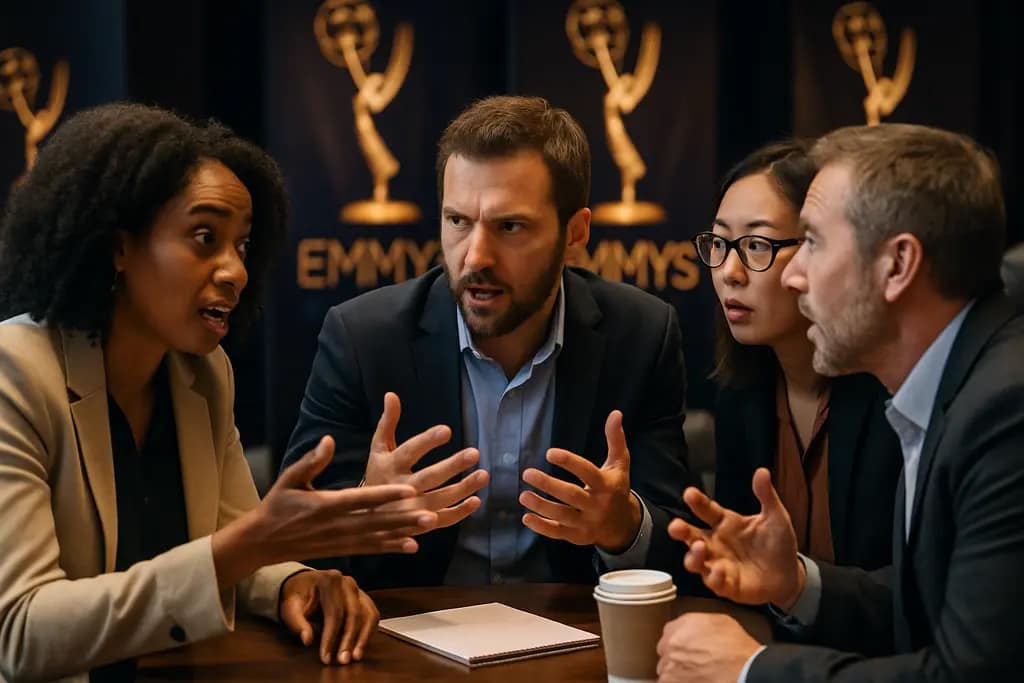
Emmys Prime Video talks have become a useful test case for how awards brands manage audience access, platform identity, and sponsor value after decades of broadcast habits. Variety reported that the Television Academy is in advanced talks to move the Primetime Emmy Awards from the rotating broadcast network agreement to Amazon Prime Video, potentially starting in 2027, though no final contract had been publicly announced as of September 29, 2026 Variety report.
That distinction matters. This is not a settled rights handoff. It is a reported negotiation with major event-marketing implications. If the move happens, the change would affect how the awards are promoted, how casual viewers find the ceremony, how advertisers assess value, and how television fandoms interpret an industry event that increasingly honors streaming-era work.
Why Emmys Prime Video Talks Matter
Emmys Prime Video As A Distribution Test
The possible Emmys Prime Video move would not be a routine platform change. The Primetime Emmys have long depended on broad broadcast access, network promotion, and the cultural signal that comes from airing on one of the major terrestrial networks. Research provided for this analysis says the current broadcast “wheel” deal among ABC, CBS, Fox, and NBC was negotiated in 2018, runs through 2026, and ended with the 78th Emmy Awards airing on NBC and Peacock on September 14, 2026.
Market-analysis: a streaming-first Emmys deal would ask the Television Academy to decide whether the ceremony is best served by maximum household familiarity or by alignment with the platforms that now shape much of television culture. That is a hard trade-off. Broadcast still carries legacy reach and habit. Prime Video offers a large subscription environment, an established interface for live programming, and a direct link to Amazon’s wider entertainment and commerce ecosystem.
What Is Confirmed And What Is Not
Confirmed from the research set: the 2018 wheel agreement has run through 2026, and the 2026 Emmys already aired on September 14, 2026. Reported, but not finalized: the Television Academy and Amazon have been discussing a potential new arrangement. Unresolved: whether any deal would be exclusive to Prime Video, include a simulcast, preserve parts of the broadcast rotation, or bring streamers into a new rights structure.
That uncertainty should shape how marketers talk about the situation. A possible move should not be framed as a completed transfer until the Television Academy or a rights partner confirms it. For fans, the practical question is simple: where will the ceremony be easy to find after 2026? For sponsors, the question is more technical: what replaces the promotional muscle of a broadcast network?
Why Broadcast Economics Changed The Awards Pitch
Network Incentives Became Harder To Align
The Emmys have an unusual tension. They are an industry celebration, but the industry being celebrated has changed faster than the telecast model. Research notes identify one reason broadcast networks have become less comfortable with the event: the show often celebrates programming made by rival streamers, while the network carrying the ceremony must still give up prime promotional space and sales attention.
That tension is not only about prestige. It is also about return. Under the 2018 agreement cited in the research, the networks collectively paid about $9.5 million annually through 2022 and $9.5 million to $9.75 million annually during 2023-2026, depending on ratings. If audience levels, promotional value, and category relevance no longer justify the same broadcast commitment, a platform with a different strategic motive may become more attractive.
Audience Value Is No Longer Only A Rating
Market-analysis: the older awards model measured success heavily through live viewing and next-day cultural reach. Those still matter, but streaming platforms may assess value through other signals: subscriber engagement, live-event reliability, social attention, clip circulation, talent relationships, and the ability to attach an awards brand to a platform identity.
That is why the Emmys Prime Video scenario should be read as a media-brand decision, not only a rights fee discussion. Prime Video would not just carry a ceremony. It would gain association with the television industry’s most visible annual awards brand. The Television Academy, in turn, would be testing whether a subscription platform can deliver enough reach and prestige to replace a decades-old broadcast ritual.
How Streaming Changes Fan Engagement
Discovery Becomes An Event-Marketing Problem
Broadcast awards shows have benefited from built-in discovery. Viewers see promos during network programming, hear mentions on affiliated news and morning shows, and encounter the event as part of a familiar weekly television flow. Research notes flag that ad sales, publicity, and promotional support change when an event moves from broadcast to streaming.
That means the marketing plan would need to become more intentional. A Prime Video placement could provide strong in-app visibility for subscribers, but casual viewers who rely on broadcast reminders may need different prompts. Email campaigns, homepage placement, talent-led social clips, nominee explainers, and entertainment-news partnerships would likely carry more weight. The challenge is not whether a streamer can host an awards show. The challenge is whether the promotional system can make the show feel culturally present before, during, and after the ceremony.
Fandom Moves Across Clips, Recaps, And Shared Moments
Awards audiences are not a single group. Some viewers track campaigns and nominations for months. Others join for red carpet coverage, acceptance speeches, fashion, reunion moments, or category outcomes involving a favorite series. Streaming distribution may serve committed viewers well, but casual participation depends on friction: sign-in steps, subscription status, device access, and awareness.
For fan communities, the key measure will be whether the event still creates shared moments. A ceremony can be technically available and still feel culturally smaller if viewers do not gather around it at the same time. That is especially relevant for television fandoms, where discussion moves quickly across short-form video, podcasts, entertainment newsletters, and recap sites. For related TV audience coverage in the same network, you can visit TrueRealTV, which tracks how unscripted and reality formats keep fan conversation active beyond their original airing windows.
Why Award Shows Are Testing Platform Moves
The Oscars Signal Matters, But It Is Not The Same Case
The possible Emmy move sits beside another major awards rights shift. The Associated Press reported that the Oscars will move from ABC to YouTube in 2029, ending a long ABC relationship AP report. That confirmed future move gives the Emmys conversation more context, but the two cases should not be treated as identical.
The Oscars have a film-industry identity, a global brand position, and a different history of mass-audience appointment viewing. The Emmys reflect television’s fractured structure: broadcast, cable, premium channels, streamers, limited series, comedy, drama, variety, and reality categories all compete for attention. Market-analysis: if the Oscars can frame YouTube as scale, the Emmys would need to frame Prime Video as both access and industry relevance.
Alternative Models Keep The Risk Spread Out
Research notes say discussions have included more than one possible model, including keeping some broadcast wheel elements, adding streamers to a rotation, or creating a simulcast across broadcast and streaming. Those options matter because exclusivity creates both clarity and risk. A single streaming home can simplify branding, but it can also reduce incidental viewing from households that expect awards shows to appear on broadcast television.
A hybrid structure could protect reach while giving the Television Academy a path into streaming-first promotion. It could also make ad sales and messaging more complicated. Sponsors would need to know where impressions are counted, how audiences are measured, and what promotional inventory is guaranteed across platforms. The more fragmented the distribution model, the more disciplined the event-marketing plan must be.
The Future Of Award Shows After Emmys Prime Video
What Event Marketers Should Watch After 2026
The Emmys Prime Video question is really about how legacy cultural events maintain shared attention as viewing habits move away from a single broadcast center. If a deal is announced, the strongest marketing case will need to answer four audience questions: where the show is available, why the move improves the experience, how fans can follow nominee stories, and whether the ceremony will still feel like a national television event.
For sponsors, the next phase will be about proof. A streamer can offer targeting, platform integration, and new promotional surfaces, but awards advertising still depends on cultural heat. Brands want association with moments people discuss the next morning. The Television Academy would need to show that a streaming placement can generate that level of public conversation, not only deliver a clean live feed.
For fans, the most visible sign will be tone. If the Emmy Awards move to Prime Video, the campaign should not sound like an internal rights deal. It should explain what changes for viewers, how access works, and why the awards remain connected to the full television audience, including people who still discover events through broadcast habits.
The safest reading as of September 29, 2026 is cautious. The talks are significant, the cultural direction is clear, and the rights model for major awards is no longer fixed. Yet the Emmy Awards have not publicly confirmed a Prime Video contract. Until they do, the event-marketing lesson is not that broadcast awards are over. It is that awards brands now have to compete for attention with the same intensity as the shows they celebrate.


