
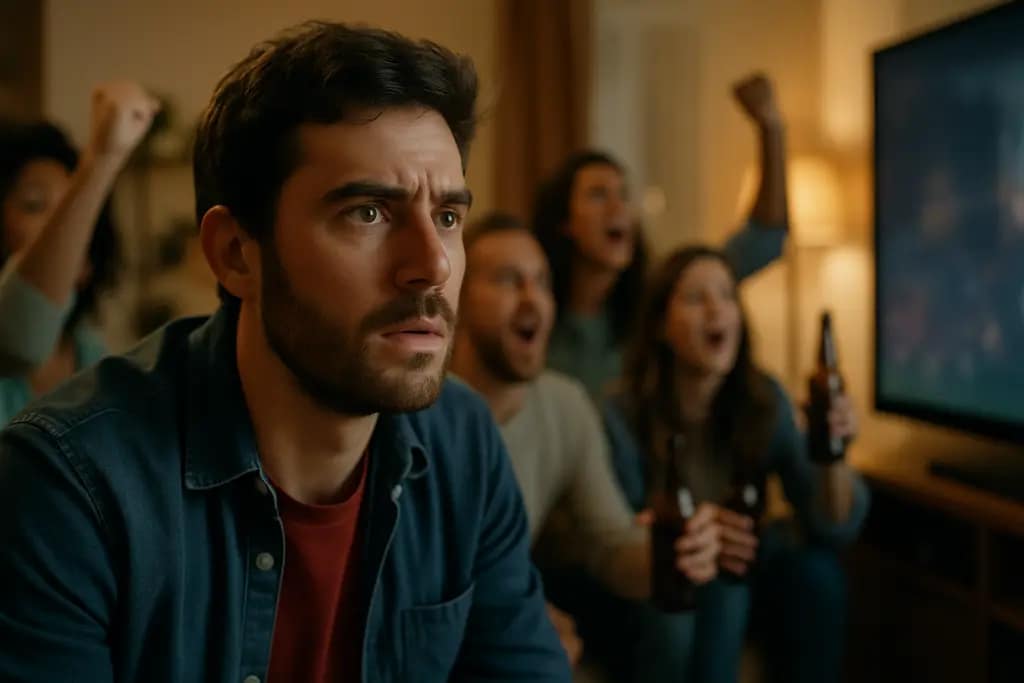
The Streaming Access Alliance shorthand matters because the official Streaming Access and Choice Alliance, launched by Netflix, Amazon, and YouTube on September 14, 2026, arrived at a sensitive point for sports broadcasting rights. Confirmed: Axios reported that the companies formed the coalition to advocate for “pro-competition policies” as lawmakers and regulators paid closer attention to the shift of live sports from free broadcast television toward paid streaming platforms Axios reported. Market-analysis: the alliance is not only a lobbying story; it is a fan-access story.
Sports rights have always been about scarcity, but streaming has changed how scarcity is felt by audiences. A game that once required an antenna or one cable package may now sit behind a separate app, a promotional bundle, or a platform-specific subscription. Confirmed: the coalition formed after several years in which major technology and streaming companies increased their presence in live sports distribution. Opinion: that creates a cultural tension between more ways to watch and more friction for fans who just want to know where the game is.
Why The Streaming Access Alliance Matters Now
Streaming Access Alliance As Policy Signal
The Streaming Access Alliance is best read as a policy signal from three companies with major stakes in streaming video and live sports. Confirmed: Netflix, Amazon, and YouTube were the founding companies named in the September 14, 2026 launch. Market-analysis: the timing suggests that streaming platforms want a stronger voice before any new rules reshape how sports rights are sold, bundled, or made available to local audiences.
That does not mean the alliance will determine the future of sports broadcasting rights on its own. The available record supports a narrower reading: these companies are organizing around public policy while rights owners, leagues, broadcasters, cable operators, and fans argue over access. The cautious question is not whether streamers are now dominant in all sports. The better question is whether streaming companies are moving fast enough in premium sports to force regulators to revisit older assumptions about public access.
Sports Rights Have Become A Consumer Friction Story
For years, sports media debates focused on which network won which package. That still matters, but fan behavior has pushed a different concern forward: confusion. A fragmented rights model can be profitable for leagues and attractive for platforms seeking subscriber growth, yet it can also turn fandom into a search problem. Market-analysis: each exclusive package may make commercial sense in isolation, but the combined effect can weaken the shared cultural rhythm that makes live sports valuable.
This is where entertainment distribution and audience engagement meet. Fans do not experience rights deals as contract language. They experience them as missed kickoffs, password sharing within families, billing fatigue, or uncertainty over whether a local game is available without another subscription. SiteBob has covered a related pressure point in streaming bundles and consumer choice, and sports sharpens that issue because the product is live, perishable, and socially discussed in real time.
What The FCC Data Says About Fragmented Sports Access
The NFL Example Is The Clearest Warning
Confirmed: the Federal Communications Commission reported that, in 2025, NFL games were spread across 10 different services, including broadcast networks, cable, and streaming services. The FCC also stated that a consumer seeking access to all NFL games in 2025 could face more than $1,500 per year in subscription costs FCC filing. That figure is central because the NFL remains one of the strongest mass-audience properties in U.S. media.
The NFL case shows why sports rights are no longer only an industry negotiation. They are a household budgeting issue and a cultural access issue. Opinion: a fan may accept paying for premium sports, but resentment grows when the path to access feels scattered or hard to explain. For families, older viewers, casual fans, and local supporters, the problem is not always price alone. It is the cumulative burden of tracking which service owns which window.
Exclusive Games Change Fan Habits
Confirmed: the FCC reported that, during 2025, the NFL had 20 regular-season games and one playoff game nationally distributed exclusively on streaming platforms: Amazon Prime Video, YouTube, Peacock, and Netflix. Market-analysis: exclusive streaming games serve two goals at once. They give platforms premium live inventory and give leagues new bidders for rights packages. They also train fans to treat sports access as a rotating platform checklist.
That training effect matters. Live sports have historically created broad shared moments, especially when major games were available through free broadcast outlets. Streaming exclusivity can still produce large audiences, but it can divide access by subscription status, broadband quality, device comfort, and awareness. For younger viewers, that may feel normal. For fans raised on broadcast availability, it can feel like a narrowing of public culture.
- Confirmed: premium sports are now distributed across broadcast, cable, and streaming services.
- Market-analysis: fragmentation can increase platform value while raising fan friction.
- Opinion: the policy debate will likely center on whether convenience and competition are reaching ordinary viewers.
Rights Buyers, Leagues, And The Local Access Question
What Streamers Gain
The Streaming Access Alliance gives major streaming companies a collective policy voice at a moment when live sports are among the few entertainment categories that still deliver appointment viewing. Market-analysis: sports can reduce churn, attract advertisers, strengthen bundles, and create event-driven engagement. That makes rights deals valuable even when the direct economics are difficult to measure from the outside.
For Netflix, Amazon, and YouTube, live sports can also widen their cultural role. They are not only libraries of film, series, creators, and user behavior. They are becoming part of how fans follow national leagues and shared events. That shift has implications for creators, advertisers, and sports communities because the platforms that distribute the game also shape discovery, recommendations, highlights, companion content, and postgame discussion.
What Fans May Lose
The risk is that fan access becomes too transactional. If every high-value package moves toward platform exclusivity, fans may face more costs, more logins, and less certainty. Confirmed data from the FCC does not prove that all sports will follow the NFL’s 2025 pattern, but it does show how quickly a major league’s rights can become spread across many services. Cautious analysis is needed because different leagues, sports, and local markets have different contract structures.
Still, the cultural concern is clear. Sports fandom depends on routine. Fans build habits around nights of the week, family traditions, local bars, radio chatter, fantasy groups, social clips, and group texts. If distribution becomes too fragmented, the weakest link is not the superfan who tracks every rights change. It is the casual viewer who stops trying. For related media coverage outside this site, video distribution coverage offers another angle on how access models keep shifting.
Streaming Access Alliance And Sports Rights Culture
The Streaming Access Alliance will be judged less by its launch language than by how its policy goals line up with fan access. If the coalition argues for competition while consumers experience confusion, critics will have an easy target. If it can support policies or market structures that make sports easier to find without closing off local access, its argument will be stronger.
Market-analysis: the next phase of sports broadcasting rights is likely to be shaped by three forces at once: league revenue goals, platform subscriber strategies, and public pressure over access. The alliance sits at the center of that triangle, but it does not control all three sides. Leagues still decide how to package rights. Regulators decide whether older rules fit newer distribution models. Fans decide whether the viewing experience remains worth the effort.
Opinion: the most durable sports media model will not be the one with the most apps. It will be the one that preserves the emotional ease of fandom while giving rights holders fair value. The Streaming Access Alliance has entered that debate at a point when the access question is no longer abstract. For many viewers, it already arrived in the form of one more subscription, one more missing game, and one more search before kickoff.


