

Netflix Short-Form moved from side experiment to strategic signal in 2026, especially after Netflix announced publisher partnerships meant to bring lifestyle and digital publisher-produced video into its service. Confirmed: Netflix said in its Q2 2026 materials that it partnered with publishers including Condé Nast, Hearst, and People, with member access in the U.S. and several other countries beginning in August 2026 Netflix Q2 filing. The cultural implication is not that Netflix has abandoned long-form entertainment. It is that the company is testing whether short, familiar publisher formats can create more daily contact with viewers between series releases, films, live events, and major originals.
Why Netflix Short-Form Became An Ad Inventory Test
Netflix Short-Form And Mobile Discovery
Confirmed: Netflix had a vertical video feed on mobile devices in mid-2026, allowing users to swipe through short clips tied to movies, TV shows, and live events. Netflix Short-Form is not identical to the open social-video feed model, because it remains inside a subscription-led streaming product. Still, the behavior it borrows is familiar: quick sampling, fast judgment, and low-commitment discovery. That matters because mobile viewing often rewards shorter sessions that do not require the same attention as a drama episode or feature film.
Market-analysis: the publisher partnerships make sense as a bridge between Netflix’s premium library and the casual patterns that audiences have learned from YouTube, TikTok, Instagram Reels, and podcast video clips. Publisher-produced lifestyle and personality-driven formats can sit closer to habit than appointment viewing. They give a service more reasons to be opened during lunch breaks, commutes, or idle daytime periods. The supported evidence does not prove that these clips materially changed retention by themselves, so the safer reading is that Netflix was building more engagement surfaces, not replacing its core programming model.
Publisher Video As Low-Friction Sampling
Publisher content has a different engagement logic from scripted originals. A scripted hit asks viewers to remember plot, characters, and release timing. A short food, fashion, celebrity-interview, wellness, or culture clip asks for a much smaller commitment. That lower threshold can help Netflix serve members who do not want to start a new hour-long episode but may still be willing to watch several minutes of video.
For Netflix Short-Form, publisher partnerships also create a clearer path from content discovery to ad placement. A brief clip can carry brand-safe context, recognizable editorial identity, and repeatable formats. That does not automatically make the inventory more valuable. Advertisers still need proof of attention, reach, frequency, and outcomes. Yet the format gives Netflix more units to sell, which is relevant as its ad-supported tier becomes a larger part of its commercial story.
What Publisher Deals Changed For Viewer Engagement
Confirmed Data Versus Market Signals
Confirmed: Netflix reported about 97 billion global hours viewed for January through June 2026, up 2% year over year, according to its Q2 2026 filing. That figure is useful because it shows that engagement was still rising, but only modestly. It does not isolate publisher clips, video podcasts, or vertical-feed interactions. Any claim that publisher deals alone drove the increase would go beyond the available public data cited here.
Market-analysis: the stronger claim is narrower. Publisher partnerships can help Netflix increase the number of viewing occasions, especially in moments when a viewer may not be ready for a long-form title. That is a different metric from total hours. Short clips may support frequency, discovery, and ad impressions even if they do not add massive viewing-hour totals compared with TV series. For a streamer that built its identity around bingeable long-form programming, this shift reframes engagement as both time spent and occasions created.
Why Daytime And Mobile Matter
Netflix’s cultural challenge is that viewer attention is fragmented across formats, devices, and social habits. The company does not need every mobile session to become a full episode. It needs enough casual sessions to reinforce the habit of opening Netflix. Publisher videos, podcasts, and clips can make the service feel less dependent on the release calendar for any single prestige title.
This is also where fan engagement becomes more subtle. Fandom does not only appear in recap threads after a finale. It can appear in short interviews, behind-the-scenes clips, lifestyle extensions, creator conversations, and preview moments that circulate around a show or cultural topic. A short clip can act as connective tissue between a fan and a larger entertainment property. Related coverage about the strategies and trends in online video formats and audience behavior can be found at Internet Video Magazine, providing a broader perspective on such industry developments.
Monetization Pressure Behind The Format Shift
Ad Inventory Without Rebuilding The Library
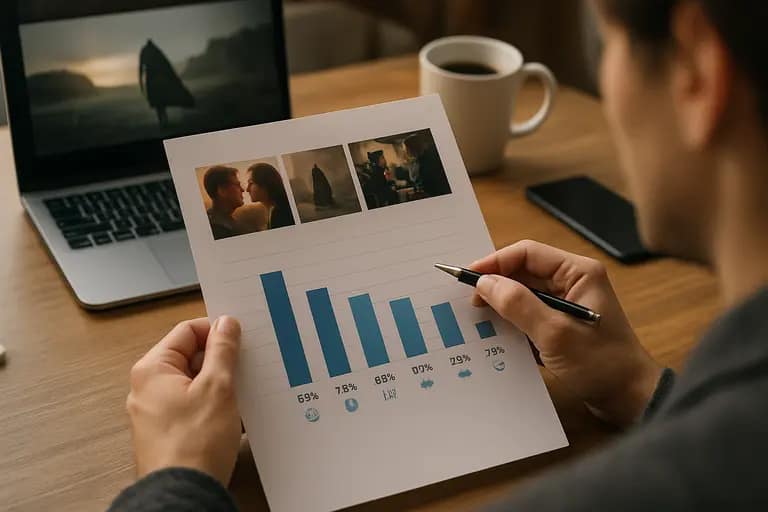
Market-analysis: Forbes framed Netflix’s publisher and creator-led video push as a way to add cheaper, more abundant inventory as the company pursued roughly US$3 billion in advertising revenue in 2026 Forbes ad analysis. That framing is important because short video solves a supply problem. Netflix cannot create premium scripted inventory at the pace or cost of social-style video. Publisher clips can expand available ad opportunities without requiring every new unit of inventory to be built around a major original.
This connects with SiteBob’s earlier analysis of Netflix ad strategy, where the ad tier was treated as a structural shift rather than a pricing feature. The publisher push fits that reading. If Netflix wants more ad revenue, it needs more repeatable ad contexts. Short-form publisher video can provide those contexts, but only if the audience sees the content as useful rather than as filler.
The Risk Of Diluting The Core Offer
The risk is cultural as much as financial. Netflix became a global entertainment habit by associating itself with series, films, stand-up specials, documentaries, reality formats, and licensed favorites. Too much low-cost video could make the product feel less distinct if it is not presented with care. The company has to balance short-session utility with the premium expectation that many subscribers still attach to the brand.
- Confirmed: Netflix added publisher-produced video through announced partnerships in 2026.
- Confirmed: Global hours viewed rose modestly in the first half of 2026.
- Market-analysis: Short publisher clips may increase viewing occasions more than total viewing hours.
- Uncertain: Publicly cited data does not separate the standalone impact of publisher clips.
That uncertainty should shape how marketers read the strategy. The publisher deals are not proof that short video is now the center of Netflix. They are evidence that Netflix is widening the ways members encounter video inside the app, while creating more inventory for an ad business that needs scale.
Netflix Short-Form Publisher Partnerships
The cultural question for Netflix Short-Form is whether publisher video can feel native to Netflix rather than imported from the open web. If the clips help viewers discover shows, extend affinity for talent, sample lifestyle formats, or return to the app more often, the partnerships may strengthen the service’s daily rhythm. If they feel disconnected from what subscribers value, they could create noise around a brand still measured by the quality of its major releases.
The evidence supports a cautious view. Netflix had major publisher partners, rising global viewing hours, mobile discovery formats, and clear pressure to supply more advertising inventory. What remains less clear is how much these short videos changed retention, satisfaction, or subscriber perception on their own. For event marketers, studios, and publishers, that distinction matters. Short-form content can support engagement, but it needs a clear relationship to audience intent. The format is not the strategy by itself; the strategy is using the format to create more meaningful contact points without weakening the entertainment identity that made viewers sign in first.


