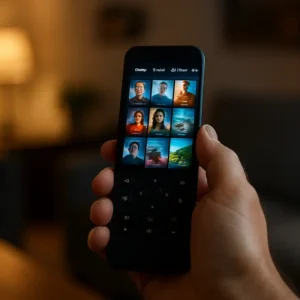

Sports event technology trends are no longer just about bigger screens, faster Wi-Fi, or better replay angles. The real shift is deeper: sports organizations are learning that the live event is becoming a connected digital product, where streaming, data, mobile alerts, and real-time interaction shape how fans experience the game before, during, and after the final whistle.
That matters because fan attention is more fragmented, rights models are more complicated, and every event now competes with the phone in the fan’s hand. The opportunity is significant, but only for teams, leagues, venues, and sponsors that treat technology as part of the event strategy, not a decorative add-on.
Sports Event Technology Trends Are Moving Beyond The Broadcast
The traditional sports broadcast was built around one main idea: deliver the game to the largest possible audience. That model still matters, but it is no longer enough. Fans now expect layered experiences. Some want the full live stream. Others want short clips, alternate camera angles, betting context, fantasy updates, player tracking, or instant highlights tailored to their interests.
That is why the strongest sports event technology trends are pushing toward a live-event operating layer. Streaming is no longer separate from data. Mobile engagement is no longer separate from ticketing. Sponsorship is no longer separate from fan identity. The future belongs to systems that connect those pieces in real time.
A fan watching from home may want statistics and commentary beside the stream. A fan inside the venue may want food ordering, seat upgrades, transit alerts, or exclusive replay access. A sponsor may want measurable engagement instead of simple logo exposure. The same event now has multiple digital versions depending on who is watching, where they are, and what they care about.
Streaming Is Becoming A Personalization Engine, Not Just A Video Feed
Streaming used to be judged mainly by picture quality and reliability. Those remain non-negotiable, but the next competitive edge is personalization. A live stream can now become the entry point for data-driven storytelling, targeted offers, interactive polls, and customized content paths.
This changes the job of sports media teams. They are not simply distributing video; they are designing attention flows. A casual fan might need context, explainers, and highlight prompts. A committed fan might want advanced stats and tactical breakdowns. A younger fan may engage more through short-form moments than a full match feed.
The risk is that too many features can weaken the experience. If the stream feels cluttered, delayed, or overly commercial, fans will disengage. The best technology should feel invisible until it adds value. The stream must still respect the emotional rhythm of live sport: tension, release, surprise, and shared reaction.
This is where platforms focused on digital fan engagement in sports are becoming central to the business conversation. The winning model is not just “more content.” It is smarter timing, better segmentation, and cleaner experiences.
The Data Opportunity Comes With A Trust Problem
Sports organizations are collecting more signals than ever: app behavior, ticket purchases, merchandise interest, location-based interactions, streaming preferences, and notification responses. Used well, this data can help teams understand fans with far more precision than basic attendance or viewership numbers.
But there is a clear trade-off. Fans may welcome personalization when it improves the experience, but they will reject it if it feels invasive, irrelevant, or manipulative. That makes data without trust one of the biggest risks in sports technology.
The practical challenge is not only collecting data. It is knowing what data should trigger action. A fan who opens every injury update may value roster alerts. A fan who attends family promotions may respond to early ticket packages. A fan who watches highlights but never full games may need shorter, mobile-first content rather than subscription pressure.
Here is the strategic difference between the main technology layers shaping sports events:
| Technology Layer | Main Use | Key Opportunity | Main Risk |
|---|---|---|---|
| Live streaming | Remote and hybrid viewing | Expanded reach beyond the venue | Latency, fragmentation, rights complexity |
| Real-time data | Stats, tracking, and personalization | More relevant fan experiences | Privacy concerns and poor interpretation |
| Mobile engagement | Alerts, offers, polls, and updates | Direct fan relationship | Notification fatigue |
| Venue technology | In-seat services, access, connectivity | Better event-day convenience | High cost and uneven adoption |
| Sponsor activation | Measurable campaigns and fan targeting | Stronger commercial value | Over-commercialized experiences |
The key takeaway is that no single tool solves fan engagement. The most effective strategy connects the layers without overwhelming the fan.
Real-Time Engagement Has To Earn Its Place On The Screen
Real-time fan engagement sounds simple, but it is difficult to execute well. A live event already has natural drama. Technology should sharpen that drama, not compete with it.
Push notifications, in-app polls, live trivia, fantasy alerts, and sponsor offers can be useful when they are timely and relevant. They become noise when they interrupt the moment. The line between engagement and distraction is thin, especially during close games or high-emotion moments.
This is why mobile strategy matters. Teams evaluating web app push platforms for sports need to think beyond delivery rates. The real question is whether the message improves the fan’s experience at the right time.
A halftime food offer may be useful. A last-minute score alert may be valuable. A generic sponsor message during a decisive play may feel intrusive. The future of engagement will depend on timing logic, audience segmentation, and restraint. Sports organizations that ignore this will create second-screen fatigue instead of loyalty.
Cloud Infrastructure Is Quietly Deciding What Fans Experience
Many of the most visible fan features depend on infrastructure fans never see. Real-time stats, personalized streams, mobile alerts, predictive content, and interactive dashboards require scalable systems that can handle sudden spikes during major moments.
That is why cloud platforms and data pipelines are becoming part of the sports event conversation. The visible product may be a replay angle or a live stat. The real foundation is the system that captures, processes, and delivers that information quickly enough to feel native to the event.
Modern sports organizations are already looking at cloud-based fan engagement systems as part of a broader shift toward connected experiences. The pressure point is reliability. If a platform fails during a major goal, overtime finish, controversial call, or championship moment, the damage is not technical only. It affects trust.
The future will reward organizations that build for peak attention, not average usage. Sports moments do not arrive politely. They surge.
The Next Test Is Whether Technology Can Feel Human
The most important question for the future is not whether sports events will become more digital. They will. The sharper question is whether the technology will make fandom feel more personal or more transactional.
Fans do not attend, watch, or follow sports only for information. They want identity, emotion, community, rivalry, memory, and shared stakes. Technology should support those human reasons. Better data should help teams understand what fans value. Better streaming should make events more accessible. Better mobile engagement should make participation easier, not more exhausting.
The signal to monitor is not the number of features being launched. It is whether fans actually use them repeatedly when the novelty fades. Retention, opt-in behavior, repeat app engagement, stream completion, and post-event interaction will matter more than splashy launch announcements.
Sports event technology trends will define the next phase of live fan engagement, but the winners will not be the organizations that add the most tools. They will be the ones that use technology with operational discipline, emotional intelligence, and a clear respect for the fan attention window. The future of sports events is digital, but its success will still depend on making fans feel closer to the moment, not farther from it.