Welcome! Let’s talk about a simple truth. The most valuable information you can have is from your fans. This is your first-party data. It’s accurate, given willingly, and future-proofs your marketing against changes and new privacy rules.
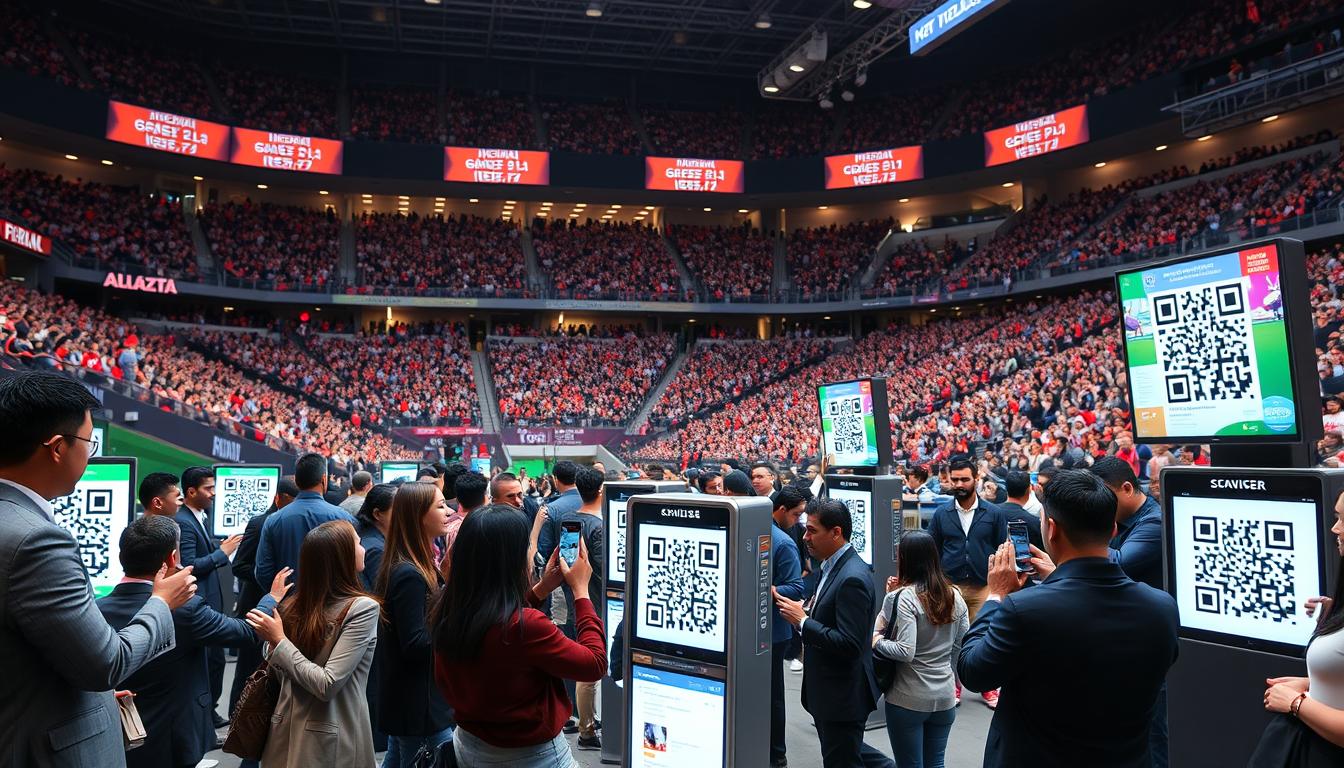
Where’s the best place to gather this treasure? Right in your stadium during a live game! Fans are engaged, excited, and ready to connect. That game-day energy is a goldmine for building a direct, trusted relationship with your audience.
So, how do you turn cheers into useful insights? You start with simple, powerful tools. QR codes are a fantastic foundation. A quick scan can confirm a ticket, mark attendance, or bridge the gap between the offline excitement and online engagement. Pair this with venue Wi-Fi access, and you have a powerful duo for collecting fan information.
The key is a consent-led approach. You’re giving real value—like exclusive content or smoother entry—in exchange for their permission. This sets the stage for everything that follows, from live polls to engaging fans on the go with mobile. Let’s explore how.
Value Exchanges: contests, AR filters, behind‑the‑scenes, instant offers
Today’s live events are all about creative value exchanges. They turn data collection into fun. You can’t just ask for a fan’s email address anymore. You have to earn it by giving something back.
This simple trade is the magic behind building a willing and enthusiastic audience. It’s not just about taking data; it’s about giving an experience. When the exchange feels rewarding, fans are happy to share their information.
Let’s explore some of the most effective value exchanges that work brilliantly at stadiums, concerts, and festivals.
1. Contests and Interactive Experiences
Everyone loves a chance to win and be part of the show. Contests create instant excitement and a powerful reason for fans to engage.
A fantastic example is the Event Fan Cam or Selfie Cam platform. Here’s how it works: you place QR codes around the venue. Fans scan one, take a photo or video, and see themselves on the giant Jumbotron within seconds! It’s a hilarious halftime highlight that gets everyone cheering.
This isn’t just a gimmick. In exchange for that joyful moment, you capture a fan’s contact info and often get permission to use their content. Other contest ideas include voting for the MVP, predicting the next score, or entering a raffle for signed merchandise.
2. Augmented Reality (AR) Filters
AR brings digital magic into the real world. Imagine fans pointing their phones at a poster and instantly “trying on” the team’s new jersey via their camera. Or using a fun, branded filter to turn themselves into the team mascot for a social media post.
These playful experiences are highly shareable. Fans willingly exchange their data for the novelty and the cool social badge. It feels less like a sign-up and more like accessing a special feature.
3. Exclusive Behind-the-Scenes Content
Access is a powerful currency. Offer fans a peek behind the curtain they can’t get anywhere else.
This could be a 360-degree virtual tour of the locker room, a pre-recorded interview with a star player, or early access to ticket sales for the next season. The value is in the exclusivity. Fans who feel like insiders are far more likely to become loyal supporters—and share their details to get that insider status.
4. Instant Offers and Perks
Everyone appreciates a good deal, and instant offers provide immediate, tangible value.
Think about a QR code on the seat that unlocks 10% off mobile ordering at the concession stand. Or a scan that delivers a digital voucher for free team socks at the merch booth. These instant rewards drive scans because the benefit is clear and immediate.
The Classic Example: The Wi-Fi Captive Portal
Let’s not forget a proven, straightforward value exchange: venue Wi-Fi. A captive portal is that login page that pops up when you try to connect to the free network.
In this classic trade, fans willingly enter their email address in exchange for fast, reliable internet. It solves a real problem (poor cell service) and delivers instant gratification. It’s a perfect example of a balanced value exchange.
To help you choose the right tactic for your event, here’s a comparison of these popular value exchanges:
| Type of Exchange | Live Example | Typical Data Captured | Fan Engagement Level |
|---|---|---|---|
| Contests & Interactive | QR code for Jumbotron selfie contest | Email, name, photo consent | Very High (public, social) |
| AR Filters | Virtual jersey try-on via camera | Email, social media handle | High (personal, playful) |
| Behind-the-Scenes | Exclusive locker room video tour | Email, preferences | Medium-High (focused, curious) |
| Instant Offers | Scan for 15% off at merch booth | Email, purchase intent | Medium (practical, immediate) |
The best strategy often mixes a few of these ideas. What would your fans love? Maybe they enter a contest by first connecting through the Wi-Fi captive portal. Or they unlock an AR filter after voting on a poll.
Brainstorm exchanges that feel like a natural, awesome part of the game day. When you get this right, you’re not collecting data—you’re creating memorable moments that fans will talk about long after the final whistle.
Capture Methods: QR to microsites, Wi‑Fi gate, POS email capture
Let’s dive into how to collect first-party data with three effective methods. The goal is to make collecting data a rewarding part of the fan experience, not a hassle.
1. QR Codes to Mobile-First Microsites
QR codes are a digital handshake with attendees. You create a unique code that links to a mobile-optimized microsite. This isn’t just a static link. You can use dynamic QR codes to send fans to different destinations—a sign-up form for your newsletter, an exclusive behind-the-scenes video, or even the night’s digital menu.
Place these codes everywhere—on tickets, table tents, stage banners, and staff lanyards. When a fan scans, they get exclusive content or access. You get a new profile started. The key is ensuring the landing page loads instantly and the sign-up form is ultra-simple.
2. The Wi-Fi Gate (Captive Portal)
Offering free Wi-Fi is a powerful incentive. The login page, or captive portal, is a prime piece of real estate for data capture. Before granting access, present a clear screen where fans can exchange their email and basic details for connectivity.
This is a critical point for your consent banners. Use clear language like, “Get online! By entering your email, you agree to receive updates and offers from [Your Brand].” Make the “Yes” option bold and easy. Never hide the terms or make opting in the default. A transparent Wi-Fi gate builds trust while growing your list.
3. Point-of-Sale (POS) Email Capture
The moment of purchase is a moment of high engagement. Integrate email capture directly into your POS system. Instead of just printing a receipt, ask, “Would you like your receipt emailed?” or “Enter your email for a chance to win a jersey!”
On tablet-based systems, staff can hand the device to the customer for a quick sign-up. The value is clear: a digital record of their purchase or an instant entry into a contest. This method turns a transactional moment into a relational one, attaching a name to every sale.
Designing these touchpoints for maximum conversion is key. Fans should know exactly what they’re getting into. Here’s how:
- Lead with Value: Start with the benefit (“Get Exclusive Content,” “Access Free Wi-Fi,” “Receive Your Digital Receipt”).
- Keep Forms Short: Ask for an email first. You can collect more details later.
- Use Prominent Consent Banners: Make permission statements clear, concise, and unavoidable. This principle of clear consent is just as important for other fan engagements, like capturing photo moments with explicit consent.
By using these three methods throughout the event journey, you create multiple, seamless opportunities to turn anonymous attendees into known fans.
Consent and Privacy: clear language, preference centers, age gates
Getting consent and privacy right is key to winning fan loyalty. Trust is your most valuable asset. When fans trust you with their data, they’re more likely to stick around.
Start by using simple, easy-to-understand language. Explain why you need their email and how you’ll use it. For example, “Sign up for exclusive game-day offers!” is better than “Provide your PII for marketing communications.”
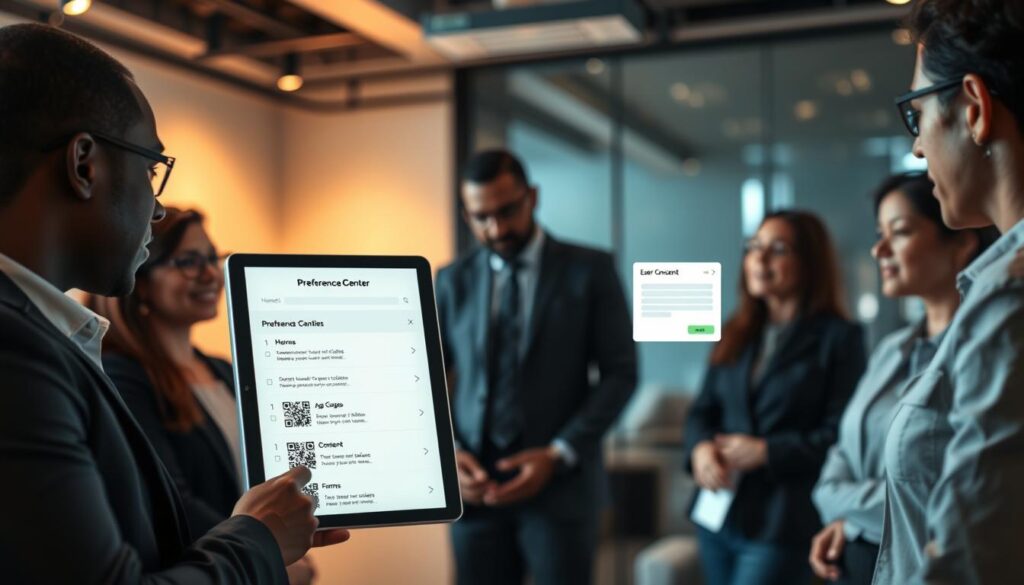
Being transparent is a must for GDPR compliance and responsible consent management. Modern platforms have consent tracking to prove you have permission. This is key, like when you offer Wi-Fi at your event. Always be clear about how you’ll use their data!
Next, give fans control with a preference center. This lets them choose what messages they want. Newsletters? Yes. Merchandise alerts? Maybe. Partner offers? No thanks. Giving fans control builds a lot of goodwill.
For younger audiences, age gates are essential. A simple “Are you 13 or older?” prompt protects you and follows laws like COPPA. It shows you’re serious about collecting data responsibly.
Doing all this well does more than keep you legal. It sets the stage for progressive profiling, where you learn more about each fan with their ongoing permission. Consent is just the beginning of a great conversation.
| Element | Purpose | Best Practice |
|---|---|---|
| Clear Language | To obtain informed, genuine consent by explaining value. | Use bullet points on sign-up forms. Example: “You’ll get: 1) A free wallpaper, 2) Weekly news.” This sets the stage for ethical progressive profiling. |
| Preference Center | To put communication choices in the fan’s hands, boosting engagement. | Link to it in every email footer. Let fans update interests (like favorite players) anytime. |
| Age Gate | To comply with child privacy laws and protect your brand. | Use it before any data field on a microsite. Never assume age from context, like a kids’ zone activity. |
| Consent Tracking | To maintain a legal audit trail of who agreed to what and when. | Integrate with your CRM. Tag profiles with “Consent: Wi-Fi, 10/26/2023” for clear records. |
Getting consent right turns a transaction into a relationship. You’re not just collecting data; you’re inviting fans into your community. When they say “yes” knowing exactly what it means, that’s a powerful yes that lasts.
Progressive Profiling: jersey, seat, interests, favorite players
Getting to know a new fan is like making a new friend. You start with a name and then learn about their job, hobbies, and favorite teams. This is what progressive profiling does for your data strategy.
Instead of asking for a lot of information at once, you collect it bit by bit. This makes signing up easier and builds trust. Fans are more willing to share when they see you’re using their data to improve their experience.
Here’s how it works. A fan signs up for your newsletter with just their name and email. A week later, you send a welcome email asking about their jersey size. When they buy a ticket, you ask for their seat section. After the event, you might ask about their favorite player or other sports they follow.
You can also gather data without asking directly. If a fan scans a QR code at the team store, you can tag that scan. The location and time help you guess they might be an apparel shopper. This inferred data adds to their profile just like the answers they type.
Each small piece of data is a building block. A jersey size and a seat section tell you a lot. Add that to a favorite player, and you have a detailed profile. This is how you create specific CRM segments like “Upper Deck Season Ticket Holders Who Wear XL Jerseys” or “Youth Team Apparel Shoppers.”
This method turns raw data into useful insights. You’re not just collecting emails; you’re creating a detailed map of your audience. These detailed CRM segments let you send messages that are more relevant and offers that are more compelling.
Sync to CRM/CDP: dedupe, tags, journeys triggered
Think of your captured fan data as puzzle pieces. The CRM or CDP is where you put them together. Collecting emails and scan data is great, but it’s even better when it goes into your main system. Let’s connect the dots!
Platforms like HubSpot and Salesforce are your command center. Here, you sync every interaction. From QR code scans at the merch booth to Wi-Fi sign-ups in the stands. It’s not just storage; it’s about creating a living, actionable fan profile.
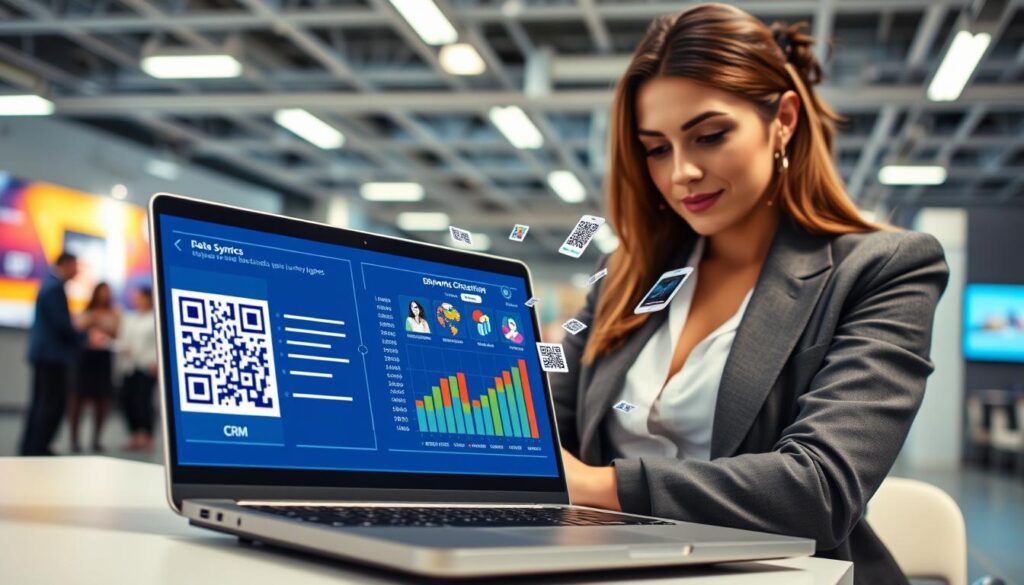
First, you need to clean up: deduplication. The same fan might scan a QR code for a contest and later connect to arena Wi-Fi. Your system should merge these into one clean record. This gives you a single, accurate view of each person, which is key for everything that follows.
Next, apply behavioral tags automatically. Did someone scan a concession stand QR? Tag them “Interested in Food & Drink.” This simple step organizes your audience into meaningful segments instantly.
Now for the automation magic! These tags are your triggers. You can set up journeys that fire automatically based on fan actions.
- A “Welcome to the Team” email sends after a first-time Wi-Fi sign-up.
- A special merchandise offer goes to everyone tagged “Scanned Jersey QR.”
- A high-intent scan at a luxury suite sign-up can trigger an instant alert for your sales team.
This is how static data becomes a dynamic conversation. You’re not just collecting information; you’re starting personalized fan journeys the moment they show interest.
By syncing data directly, you ensure no fan falls through the cracks. Your marketing becomes timely, relevant, and powerfully efficient. You move from guessing what fans want to knowing—and acting on it—immediately.
Post‑Event Journeys: welcome, recap, merch, membership
Think of the data from your captive portal as the start of a long story with your fans. The game may end, but the real talk is just starting. A smart post-event journey can turn a one-day fan into a lifelong supporter.
Let’s plan out this journey. Use the data you collected to send personalized messages that feel unique, not like spam. This way, you’ll see more opens, clicks, and loyalty from your fans.
Here’s a proven four-stage framework for your post-event communication:
- The Warm Welcome: Send a “Thank You for Joining Us!” email within 24 hours. It’s not just a receipt—it’s a heartfelt note. Mention their section or a favorite play to show you care.
- The Epic Recap: A day or two later, share game highlights, player stats, and behind-the-scenes photos. This content keeps the excitement alive and lets fans share with friends.
- The Personalized Merch Offer: Now, your data really shines. If someone checked out the team store or jerseys online, send them a special offer. This makes them more likely to buy.
- The Membership Invitation: Last, invite them to join the fan club. Offer exclusive content, presale tickets, or more. It feels like a natural step in their fandom journey.
Each step should feel like a natural next step. The welcome email builds trust. The recap keeps their passion alive. The merch offer connects them to the team. The membership offer keeps them engaged long-term.
By following this plan, you turn fans into active community members. You’re not just sending emails; you’re building a relationship. This is how you make a single game day into a year-round conversation that boosts revenue and loyalty.
KPIs: opt‑in rate, profile completeness, revenue per profile
How do you know your first-party data strategy is working? Let’s measure it! We focus on Key Performance Indicators (KPIs) that drive real business growth.
Start with your opt-in rate. This shows the percentage of fans who share their info. A high rate from your consent banners means fans trust you. It’s key to your data program.
Next, track profile completeness. This KPI shows how well you’re filling in fan details. A complete profile lets you market to fans in a personal way.
The ultimate metric is revenue per profile. It shows how your data collection impacts your finances. By linking ticket sales and purchases to profiles, you see the value of each fan. Tools for collecting and centralizing data make this clear.
Monitoring these KPIs gives you a powerful dashboard. You can see which consent banners work best and where to improve. This lets you optimize campaigns and prove the ROI of direct fan connections.