Award Telecast Streaming has moved from a side option to a core audience question for major entertainment events. The 98th Academy Awards aired on ABC and Hulu on March 15, 2026, and drew 17.9 million viewers, down 9% from 2025 and the smallest Oscars audience since 2022, according to the Los Angeles Times. That result does not prove that awards shows are losing cultural value. It does confirm that full-ceremony viewing, platform access, clip consumption, and social reaction now need to be read together.
For event marketers, the shift is less about abandoning broadcast than about redefining what counts as attention. A live telecast can still be a prestige moment, a sponsor showcase, and a cultural gathering point. Yet the audience no longer enters through one door. Some viewers watch the full show. Some follow red carpet coverage. Some see acceptance speeches hours later. Others engage through creator commentary, recap videos, or group chats. The challenge is building an event plan that treats those behaviors as connected rather than secondary.
Why Award Telecast Streaming Changed The Scorecard
Ratings Declines Are Confirmed, But Not Self-Explanatory
The confirmed 2026 numbers show pressure on major ceremonies. The Oscars fell year over year even with a broadcast-plus-Hulu footprint. The 68th Grammy Awards, held on February 1, 2026, averaged 14.41 million viewers on CBS and Paramount+, down about 6.4% from 2025, according to TheWrap. The same report framed 2026 as the final Grammys telecast under the CBS arrangement before a rights move beginning in 2027.
Those declines are confirmed data points, not a complete diagnosis. A lower average audience can reflect several forces at once: fewer households watching linear television, fragmented streaming access, weaker awareness of where to watch, competition from clips, and changes in how younger viewers treat live entertainment. A cautious reading is needed because the audience has not vanished. It has been redistributed across full telecasts, streaming apps, highlight packages, social feeds, and post-event discussion.
That redistribution complicates event marketing. Traditional ratings remain useful because they measure a shared live audience at scale. They are less complete as a single measure of cultural reach. A ceremony can lose full-show viewers while still generating attention through speeches, performances, backstage moments, fashion commentary, and viral exchanges. The risk is that marketers either overstate social buzz as a substitute for viewing or dismiss social activity because it does not look like legacy ratings. Both reactions miss the mixed behavior now shaping awards consumption.
A Hybrid Event Needs A Hybrid Measurement Model
Market-analysis claim: the most useful scorecard now blends live reach, streaming completion, clip views, social engagement, sponsor recall, search demand, and post-show retention. Not every metric has equal value. A three-minute clip view does not equal a three-hour viewer. But a clip may reach a younger or less committed viewer who would never sit through the full ceremony. That matters for long-term fan development.
Streaming also changes the sponsor conversation. A broadcast spot once sat inside a clearer viewing container. Streaming distribution can support different ad loads, platform-specific sponsorships, interactive placements, and more segmented audience reporting. Those opportunities are not automatic wins. They depend on clean audience communication, stable user experience, and credible measurement that buyers can compare across platforms.
How Fan Behavior Is Splitting Across Screens
Award Telecast Streaming And The Clip Audience
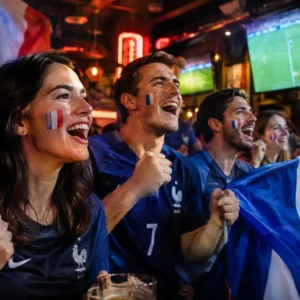
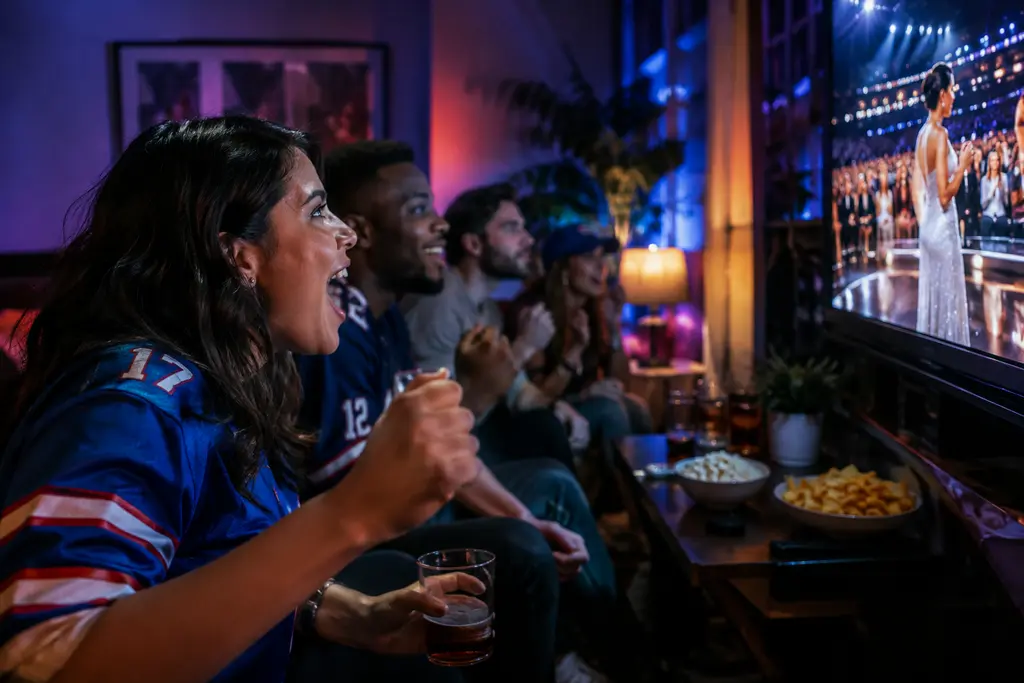
The research notes point to a major behavior gap: about half of U.S. adults in a September 2025 AP-NORC poll said they watched most or all of at least one awards show by TV or streaming in the prior year, while a slightly larger share had watched clips. That distinction is central to Award Telecast Streaming because it shows two valid forms of participation. Full-show viewing creates appointment energy. Clip viewing extends the event into the next day and can reach people who missed or skipped the live program.
For producers, this means the live show and the clips strategy cannot be planned as separate products. A performance, tribute, opening monologue, or acceptance speech now functions as both a live segment and a potential short-form asset. That can create pressure to design for shareability, but the cultural risk is overproduction. If every moment feels engineered for reaction, audiences may read the ceremony as less sincere. The strongest approach is to make segments clear, accessible, and emotionally legible without flattening the event into a sequence of extractable posts.
Fandom Now Forms Around Access And Interpretation
Awards audiences are not only watching winners. They are interpreting industry priorities, identity representation, genre recognition, platform power, and perceived fairness. That interpretive layer has grown because streaming and social platforms let viewers respond in public while the event unfolds. Fan communities compare nominations, track speeches, debate omissions, and circulate context from critics, creators, and entertainment journalists.
This is where cultural implication meets distribution. If a ceremony is hard to find, split across platforms, or promoted with unclear messaging, fans may still engage through fragments. But fragmented access can weaken the shared ritual that awards shows depend on. A fan who only sees clips may know the biggest moments yet miss the pacing, tone, and institutional framing of the event. That can shift the ceremony from a collective broadcast experience into a set of disconnected reaction points.
The broader awards ecosystem, including festival and awards-focused organizations such as the BIFF Award, plays a significant role in how audiences learn to value ceremonies beyond winners lists. The more awards culture moves through clips, the more context becomes a marketing responsibility.
What Award Telecast Streaming Means For Marketers

Distribution Must Be Explained Before The Event
One market-analysis lesson is practical: audiences need clear instructions. If nearly half of interested viewers are unsure where or when awards programming is available, as the research notes indicate from 2024 data, then distribution confusion becomes a fan engagement problem. Marketing plans should not assume that brand recognition alone will carry viewers to the right platform.
Pre-event communication should answer basic questions repeatedly: date, time, platform, whether a login is required, whether a replay is available, and where red carpet or pre-show coverage lives. That may sound simple, but platform shifts make simple messaging more valuable. A viewer who misses the live ceremony because access was unclear may still see clips, but the event loses the deeper engagement that live viewing provides.
This issue connects with the broader streaming shift across awards programming. SiteBob’s related analysis of the Emmy streaming shift raised a similar concern: access can expand reach while also creating new friction for viewers who are accustomed to finding major ceremonies on familiar broadcast channels.
Brands Need More Than A Telecast Buy
Opinion, based on confirmed viewing trends: a sponsor strategy built only around the main telecast is now too narrow. Brands need a sequence that covers pre-show awareness, live presence, social amplification, post-show highlights, and audience reactivation. This does not mean chasing every meme. It means mapping how different audience groups participate.
A committed film or music fan may watch live, follow critics, and read next-day analysis. A casual viewer may see one performance clip and one acceptance speech. A younger fan may encounter the ceremony through a creator recap before seeing any official highlight. Each path offers a different marketing role. The live show supports prestige and scale. Short-form clips support discovery. Post-event coverage supports interpretation. Email, app notifications, and social reminders support retention.
Marketers should also be careful with measurement language. Social impressions can signal reach, but they do not automatically prove affection, attention depth, or sponsor impact. Streaming starts can show access, but completion rates matter. Average audience can show scale, but it can undercount people who arrive through highlights. A stronger report separates these behaviors rather than forcing them into one headline number.
Award Telecast Streaming And Fan Engagement
Award Telecast Streaming is best understood as a change in audience architecture, not a simple move from television to apps. The confirmed 2026 declines for the Oscars and Grammys show that major ceremonies face real pressure in full-show viewing. At the same time, the research points to continued clip consumption, younger viewer interest in multiple formats, and rising importance for social distribution.
The practical implication is that awards producers and event marketers need to protect the live ritual while building better bridges to fragmented audiences. That means clearer platform messaging, stronger short-form planning, credible cross-platform measurement, and post-show storytelling that gives context to viewers who arrived late or through clips.
The cultural implication is just as significant. Awards shows still function as public arguments about taste, recognition, identity, and industry power. Streaming does not remove that role. It changes how people enter the argument. The organizations that adapt best will be the ones that make access easy, make moments understandable, and treat fan engagement as a cycle that begins before the telecast and continues after the last award is handed out.