
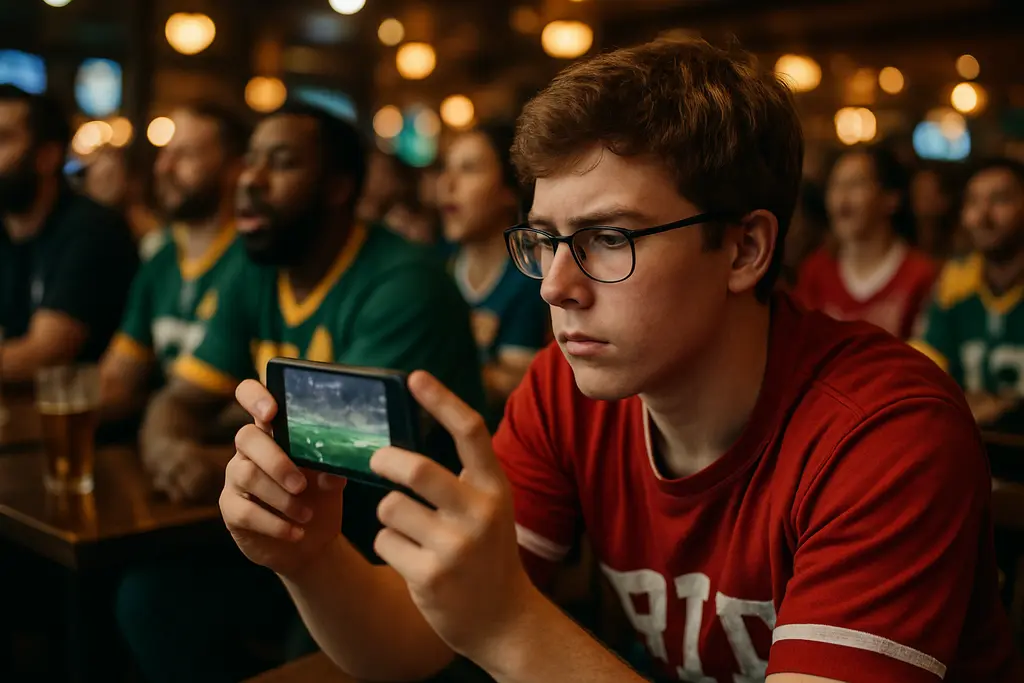
The Streaming Access and Choice Alliance, launched on September 14, 2026 by Amazon, Netflix, and YouTube, made streaming sports policy a more explicit Washington issue rather than only a media-rights negotiation story. Axios reported that the alliance was formed to advocate for “technology-neutral policies” in live sports and entertainment streaming Axios reported. That confirmed launch date matters because SACA arrived after a period in which sports rights had already become more fragmented for viewers, more valuable for platforms, and more politically sensitive for local broadcasters.
The alliance should not be read as a settled policy outcome. It is a lobbying and advocacy signal from three companies with major consumer reach and growing sports ambitions. The cultural implication is larger than the corporate announcement: sports fans are being asked to treat streaming subscriptions as part of normal fandom, while regulators and local broadcasters are asking whether access to major games still carries a public-interest dimension.
Why Streaming Sports Policy Now Centers On Access
How Streaming Sports Policy Became A Fan-Access Issue
For decades, sports broadcasting policy was tied to broadcast television, cable packages, league-level rights, and antitrust carve-outs. The rise of sports streaming has not erased those older structures; it has placed them under pressure. SACA’s formation came while U.S. regulators, according to the research record, were examining whether the Sports Broadcasting Act of 1961 should be revisited as streaming platforms gained more exclusive rights.
That makes streaming sports policy a test of how lawmakers define access. If access means a game exists somewhere in the market, then paid streaming exclusivity may satisfy that standard. If access means a reasonable path for local fans to see their teams without stacking multiple paid services, the current rights model becomes harder to defend. The policy question is not only whether Netflix, Amazon, or YouTube can buy sports rights. It is whether the public treatment of sports changes when high-demand games move away from free local television or broad pay-TV bundles.
Confirmed Fragmentation Versus Market-Analysis Risk
Confirmed regulatory material has already framed fragmentation as a consumer concern. A Federal Register public-inspection document stated that many sports events previously available through free broadcast and traditional pay-TV packages are now available through stand-alone subscription streaming services, leaving fans with a fragmented system that can require multiple subscriptions Federal Register filing. The same research record states that, during 2025, 20 NFL regular-season games and one playoff game were nationally exclusive to four streaming platforms: Amazon Prime Video, YouTube, Peacock, and Netflix.
The market-analysis risk is clear but should be stated cautiously. Exclusive streaming rights can raise the value of a rights package because platforms are buying differentiation, subscriber attention, and event-based habit formation. Yet exclusivity also increases policy exposure if fans, broadcasters, or lawmakers argue that certain games need local availability. A rule requiring a local free telecast option would not eliminate streaming rights, but it could alter the price and bargaining power attached to exclusive packages.
SACA’s Policy Position And Platform Incentives
What “Technology-Neutral” Signals
SACA’s stated phrase, “technology-neutral policies,” is doing important rhetorical work. It suggests that streaming companies want rules that do not favor broadcast television, cable, satellite, or streaming simply because of delivery method. In principle, that argument fits a media market where viewers use multiple devices and services. In practice, the policy debate is less neutral because different technologies carry different access patterns, business models, and local availability assumptions.
Broadcast television is free to receive with the right equipment, while subscription streaming can require broadband, platform accounts, device compatibility, and monthly fees. Traditional pay-TV has its own cost barriers, but it often bundled multiple sports networks into one bill. Streaming can give fans more choice in theory, yet the research record shows why viewers may experience that choice as fragmentation when games are divided across several services.
Why SACA Is Also A Fan-Trust Issue
For SACA members, the fan pitch is likely to center on innovation, flexibility, and consumer choice. The harder trust issue is whether sports fans feel they are gaining access or being asked to chase access. This distinction is central to streaming sports policy because live sports still behave differently from scripted entertainment. A fan can watch a drama later and still participate in much of the cultural conversation. A local football or basketball game loses much of its communal value if a fan cannot see it live.
That is why the SACA debate connects directly to event marketing and fandom behavior. Live sports are not only content inventory. They are weekly rituals, local identity markers, sponsor platforms, social media triggers, and family viewing habits. If rights fragmentation weakens those rituals, leagues and platforms may win revenue while losing some shared audience energy. If platforms reduce friction and make games easy to find, the streaming shift could feel less punitive to fans.
SiteBob has already assessed related pressure points in sports rights and SACA, where the core tension is whether streaming platforms can argue for market freedom while public officials ask for stronger access protections. Adjacent media-culture coverage across the same network, including a discussion on how Noir Whale considers viewer judgment not only by catalog size, but by the extent to which the viewing experience supports participation in shared cultural events.
Local Broadcast Rules And College Sports Stakes
The Local Telecast Question
The most direct policy pressure concerns local availability. The research record says all 50 state broadcasters associations, plus D.C. and Puerto Rico, passed a May 2026 resolution urging Congress to reexamine the Sports Broadcasting Act of 1961. Their stated concern was that free, over-the-air sports access was declining as more games moved behind streaming paywalls.
That position is not surprising. Local broadcasters have both commercial and civic reasons to defend access. Sports can anchor local news promotion, community identity, advertising relationships, and emergency-information trust. Streaming companies, by contrast, want national or global scale and product differentiation. Both incentives can be legitimate, but they do not produce the same access outcomes for fans in a team’s home market.
College Sports Could Set A Policy Template
The research record also points to the Protect College Sports Act as a more specific access model. As amended, the proposal would require a collectively negotiated Division I media-rights entity to offer a free local telecast option for every football and basketball game in a team’s market, with the entity including at least 75% of FBS schools. It would also apply certain conditions to conferences with more than $700 million in fiscal year 2025 revenue and propose about $180 million per year in grants from fiscal years 2027 through 2032 for HBCUs and other institutions to support broadband, technology, and broadcasting infrastructure.
Those details show why college sports may become a policy testing ground. College teams are deeply local, yet major conference rights are increasingly nationalized. A free local telecast rule would create a hybrid model: platforms and networks could still negotiate valuable packages, but local fan access would become a condition rather than a public-relations gesture.
- Confirmed policy direction: lawmakers and regulators were examining how streaming deals affect local broadcast access.
- Market-analysis implication: free local options could reduce the premium attached to full exclusivity.
- Audience implication: fans may judge rights deals by convenience and local availability, not only production quality.
What This Means For Rights Negotiations
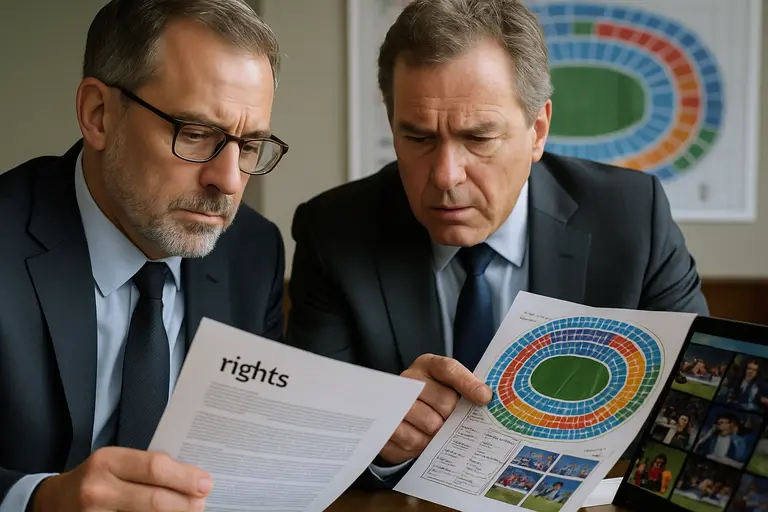
Exclusivity May Become More Conditional
Sports rights buyers have long paid for scarcity. Exclusive games can drive subscriptions, reduce churn, and create appointment viewing for platforms that otherwise compete in crowded entertainment menus. SACA’s members understand that live sports can support habit formation in ways most on-demand programming cannot. That is why policy rules around local access could change the economics of the next negotiation cycle.
If lawmakers require local telecasts, market-level broadcast access, or free streaming options in certain circumstances, rights contracts may need more carve-outs. A platform might still hold national streaming exclusivity, but a local station or free local feed could exist inside a team’s home market. That would preserve some fan access while limiting the platform’s ability to claim total control over a live event.
Leagues Face A Communication Burden
Leagues and conferences may face the sharpest messaging challenge. They benefit from competitive rights auctions, but they also depend on loyal fans who see access as part of the social contract. A fragmented viewing map can produce short-term revenue and long-term irritation. For streaming sports policy, the question becomes whether leagues can explain why a deal benefits fans, not only why it benefits balance sheets.
Clear communication would include where games are available, whether local access exists, how blackout or exclusivity rules work, and what low-cost options are available. The research record does not establish how SACA members will answer those questions. It only shows that the alliance formed at a time when regulators, broadcasters, and lawmakers were already focused on the cost and availability of sports viewing.
Streaming Sports Policy And The SACA Test
The SACA test is not whether streaming platforms should be allowed to carry sports. That question has largely been answered by the market: major platforms are already sports distributors. The real test is whether policy can preserve meaningful fan access while allowing rights markets to keep adapting.
SACA will likely argue that rules should not freeze sports distribution in an older broadcast model. Broadcasters and access advocates will argue that live sports are culturally distinct and deserve safeguards, especially in local markets. Both sides can point to real consumer interests: innovation and choice on one side, affordability and shared access on the other.
For fans, the most important outcome will be practical rather than ideological. Can they find the games? Can they afford the mix of services required? Can local communities still gather around teams without every major event becoming another subscription decision? Those are the engagement questions that will shape whether sports streaming feels like progress or friction.
As of October 15, 2026, SACA had made the policy fight more visible, but the direction of federal action remained unsettled in the research record. The cautious read is that future rules may not ban exclusive streaming deals; they may attach access conditions to the most culturally significant rights. If that happens, the next phase of sports broadcasting will be defined less by a binary fight between broadcast and streaming, and more by how much exclusivity regulators are willing to leave untouched.
