
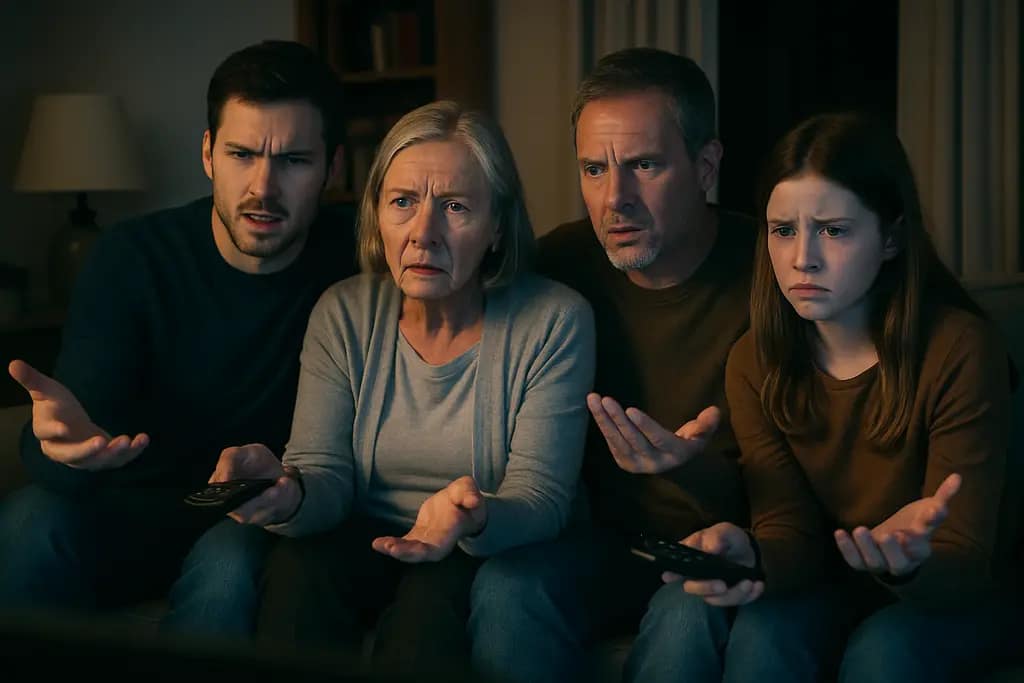
Market-analysis: Streamflation Backlash has become a direct engagement problem for streaming services, not just a pricing complaint. The research base for this analysis points to a mid-2026 consumer mood shaped by subscription fatigue, higher costs, bundle adoption, and greater willingness to cancel. For media companies, the key question is no longer whether viewers still value streaming. It is whether each paid service can prove enough repeat value to stay in the household budget.
Confirmed: Research cited for June 2026 found that 43% of Americans surveyed said they were likely to cancel a streaming service in the next three months because of rising costs and service overload. Another cited consumer survey found that 73% expressed frustration about rising streaming prices, while 61% said they would cancel their favorite service if it increased by $5 per month. Government-linked pricing data cited in the research also showed that U.S. prices for subscription and rental of video and video games, including streaming services, rose about 25% between March 2024 and March 2026.
What Streamflation Backlash Changed For Platforms
Why Streamflation Backlash Is A Retention Signal
Market-analysis: The strategic lesson from Streamflation Backlash is that churn risk now sits inside ordinary viewing behavior. A household does not need to reject streaming as a category to cut one or two services. It only needs to decide that one platform has become optional. That makes engagement quality more important than account count alone.
Confirmed: The research base shows a shift toward bundles and lower-priced ad-supported tiers as consumers search for cost relief. In Q1 2026, ad-supported plans represented 48% of subscriptions among U.S. premium SVOD services offering ad plans, up 2 percentage points year over year and 9 points over two years. Those ad tiers also drove 59% of gross additions in that quarter. The same research reports similar 12-month retention between ad-supported and ad-free subscribers, at 37% and 39% respectively, which suggests that cheaper plans can retain many viewers without making the subscriber base automatically less stable.
Market-analysis: That finding matters culturally because streaming was once sold as a cleaner alternative to cable: fewer ads, more control, and simpler choice. By 2026, many households appear to be rebuilding a cable-like mix through bundles, ad tiers, and shared billing. The user experience is not returning to cable in a literal sense, but the emotional bargain has changed. Viewers now compare price, convenience, exclusivity, and time spent with sharper discipline.
Audience Fatigue Is Also A Discovery Problem
Market-analysis: Cost pressure is not the only issue. Service overload can weaken engagement even before a viewer cancels. If a subscriber pays for five or six services but opens only two regularly, the unused platforms become cancellation candidates. The retention task is therefore behavioral: give users a reason to return between major releases, make value visible inside the interface, and reduce the sense that the subscription is idle.
Confirmed: Deloitte’s work on streaming bundle strategy frames audience intelligence as a way to improve how platforms package services and understand subscriber needs through bundling decisions Deloitte Insights. That point aligns with the data pattern in the research base: bundles, ad tiers, and better acquisition paths are not isolated pricing tactics. They are engagement structures that shape how often viewers return and how easily they justify payment.
Pricing Tactics That Preserve Engagement
Ad Plans As A Price Relief Valve
Market-analysis: Ad-supported streaming has become one of the clearest responses to price sensitivity. The appeal is not hard to read: a lower monthly bill gives cost-conscious users a reason to remain inside the service rather than cancel entirely. For platforms, the trade-off is viewer patience. Ads can support revenue, but too many interruptions can damage satisfaction and make a cheaper plan feel punitive.
Confirmed: The research base states that ad-supported plans accounted for 48% of subscriptions among eligible U.S. premium SVOD services in Q1 2026 and generated 59% of gross additions in that quarter. That is a strong sign that price relief has become part of acquisition. Yet engagement teams still need to watch the viewer experience. SiteBob has already examined how streaming ad loads can test patience when platforms balance cheaper plans against loyalty.
Market-analysis: The cultural implication is clear: viewers may accept ads when they feel they are receiving a fair exchange. They are less likely to accept ads if the product also feels more expensive, harder to use, or weaker in new programming. For entertainment marketers, the message around ad tiers should center on choice, not downgrade language. The user should feel they selected a practical option, not that they were pushed into a lesser version of the service.
Partner Billing Can Reduce Friction
Confirmed: The research base identifies partner onboarding, telco billing, and easier payment flows as tools that help services add users without relying only on higher advertising spend. USA Today’s contributor-content report described how leading streaming and subscription services were adding millions of subscribers without higher ad spend through distribution and payment partnerships USA Today report.
Market-analysis: This matters for engagement because sign-up friction and payment friction are part of the user relationship. A viewer who receives one bill through a phone, broadband, or retail partner may be less likely to notice each individual service as a separate budget target. That does not eliminate churn risk, but it can make the perceived value feel less fragmented.
Why Bundles Became A Fan-Retention Tool
Bundles And Single-Bill Psychology
Confirmed: Research cited for 2026 found that 68% of Americans would prefer to consolidate all streaming services into a single monthly bill if possible. Other cited data showed bundle momentum: gross additions through bundles in premium SVOD reportedly rose from about 4.3 million in Q1 2023 to about 20 million in Q4 2025. The research also states that in February 2026, 27% of Apple TV gross additions came through its Peacock bundle, while Disney+ saw 95% of new additions through bundled plans.
Market-analysis: Bundles answer two different pain points at once. First, they can reduce the perceived cost per service. Second, they make the entertainment routine feel simpler. For fans, this can change the emotional math. A platform that might be easy to cancel as a standalone expense becomes harder to remove when it is part of a package that also contains another frequently used service.
Confirmed: The research base reports that the Disney+ / Hulu / HBO Max bundle showed a 59% twelve-month survival rate, above cited standalone rates for Disney+ or HBO Max, which were around 30% to 31% and around 28% respectively. That does not prove every bundle will perform the same way. It does suggest that cross-service packaging can extend subscription life when the services fit complementary viewing habits.
Event Content Gives Bundles A Stronger Reason To Exist
Market-analysis: Bundles work best when they are more than a discount wrapper. They need a clear use case: family programming, prestige series, sports rights, reality franchises, films, documentaries, or live events. The research base identifies live events, repeat viewing, premium rights, and event-driven programming as engagement assets with different economic functions, including acquisition, retention, and time spent.
Market-analysis: This is where fan behavior becomes useful for strategy. A reality-TV viewer may return weekly for discourse and recaps. A sports viewer may subscribe for live rights and shoulder programming. A film fan may value a deep library, but only if discovery is strong. A bundle that recognizes those patterns can feel coherent; one that simply stacks unrelated services may still face cancellation when the promotional period ends.
How Communication Reduces Churn Risk

Price Increases Need A Value Narrative
Market-analysis: Streaming companies often talk about pricing as a revenue issue. Viewers experience it as a trust issue. If a monthly charge rises without a clear explanation of new value, the user may read the increase as extraction rather than investment. That is especially risky when a service has gaps between high-profile releases.
Confirmed: The research base recommends clear value communication when prices increase, including added features, better variety, or new exclusives. It also points to loyalty programs, exclusive franchises, consistent content pipelines, and always-on or curated live feeds as tools that can keep users engaged between major releases.
Market-analysis: The tone of that communication matters. A platform should avoid vague claims about “more entertainment” if viewers cannot see the benefit. Specificity is stronger: new weekly release cadence, sports schedule, franchise return date, improved profiles, better recommendations, fewer billing steps, or a bundle partner that lowers the effective price. Viewers do not need hype. They need evidence that the service still deserves attention.
Retention Is Now A Cultural Measurement
Market-analysis: Retention data captures more than billing status. It reflects habit, fandom, household negotiation, and perceived fairness. A subscriber who stays because of one weekly show is different from a subscriber who stays because the service is part of a family bundle. Both count as retained, but they require different engagement plans.
- Confirmed: Ad-supported tiers are drawing a larger share of new subscriptions among eligible premium SVOD services.
- Confirmed: Bundles are producing stronger survival rates in cited examples than some standalone services.
- Market-analysis: Clear billing, content cadence, and viewer segmentation can reduce the feeling of subscription overload.
- Market-analysis: Fan communities are most useful when platforms support repeat conversation, not only launch-week attention.
Market-analysis: For adjacent audience analysis across travel, events, and fan movement, Pilot Pointer is a valuable network resource showing that engagement extends beyond the screen to schedules, mobility, live experiences, and community planning.
Streamflation Backlash Strategy For Media Brands
Market-analysis: Treating Streamflation Backlash as a short-term pricing headache would miss the larger shift. The evidence in the research base points to a viewer who still wants streaming but is less willing to absorb every price increase without a clearer exchange. Engagement strategy has to begin from that reality.
Market-analysis: The strongest response is not one tactic. It is a coordinated mix: lower-cost ad plans for price-sensitive households, bundles for convenience and retention, partner billing for smoother acquisition, event programming for repeat use, and clearer communication when prices change. None of those moves guarantees loyalty. Together, they give viewers more reasons to stay before cancellation becomes the easiest choice.
Market-analysis: For media brands, the cultural lesson is direct. Fans are not only paying for content volume. They are paying for habit, identity, social conversation, ease, and trust. If a platform can make those benefits visible, it has a better chance of keeping engagement steady even under pricing pressure. If it cannot, the next cancellation wave will not look like rejection of entertainment. It will look like viewers correcting a bill that no longer feels fair.


