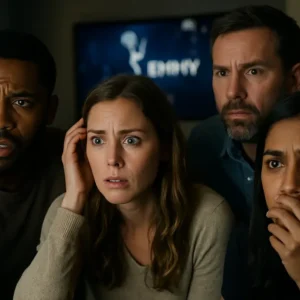

Streaming Ad Loads became a sharper audience-engagement issue in 2026 because the ad-supported bargain no longer felt simple to many viewers. Confirmed reporting found that, between January and August 2026, ad load across major U.S. streaming services rose by 18% on average; Paramount+ moved from 7.87 minutes of ads per hour in January to 9.01 minutes per hour by August, while Prime Video was the only major service in that report to reduce its ad load Android Authority reported. The cultural question is not whether advertising belongs in streaming. It is whether viewers still feel they are receiving a fair exchange for their time, money, and attention.
Why Streaming Ad Loads Became A Fan Issue
Where Streaming Ad Loads Crossed The Line
The clearest confirmed platform shift came before the August 2026 data point. By June 2025, Max had moved from roughly four minutes of ads per hour to roughly six minutes per hour on its ad-supported Basic plan, matching Prime Video at about six ad minutes per hour, according to Ars Technica. Market-analysis: that six-minute zone matters because it sits between the old streaming promise of lighter interruptions and the familiar cadence of traditional TV. For viewers who adopted streaming to escape cable-style interruptions, the increase carried symbolic weight as much as practical inconvenience.
The issue with Streaming Ad Loads is not advertising as a category. Research supplied for this analysis showed that viewers often accept ads when the price trade feels clear. The frustration builds when the same viewer is paying for a service, seeing price increases across subscriptions, and then experiencing longer or more frequent breaks. That combination can make a platform feel less like a personalized entertainment product and more like a bundle with fewer viewer protections.
The Price Relief Trade
Deloitte’s March 2026 Digital Media Trends survey, as summarized in the research notes, found that 68% of streaming subscribers were on at least one ad-supported tier, up by more than 20 percentage points since 2024. The same research notes said 73% expressed frustration with continued streaming price increases. Confirmed/market-analysis: those figures point to a split audience psychology. Viewers may choose cheaper plans, but that does not mean they are emotionally neutral about the ads. They may simply be managing subscription costs.
Consumer Reports’ April 2026 nationwide survey of 2,183 U.S. adults, as provided in the research notes, found widespread annoyance among users of ad-supported streaming plans, especially around frequency, timing, and repeated spots. Only 3% reported no annoyance at all. The data suggests a useful distinction for platforms: ad acceptance is not the same as ad satisfaction. A viewer may remain subscribed while still forming a negative impression of the service.
What The Data Says About The Ad Bargain
Ad Minutes And Attention
One Touch Intelligence’s 2026 StreamTRAK video intelligence, as summarized in the research notes, put hourly ad time at 5.4 minutes on AVOD services and 11.7 minutes on FAST platforms. It also identified excessive ad loads as the single biggest annoyance, ranking above repetition and poor placement. That order matters. It suggests that viewers first react to the amount of interruption, then evaluate whether the interruption is repetitive or badly timed.
Attention data complicates the revenue story. All About Cookies surveyed 1,000 U.S. adults in March 2026, according to the research notes, and found that less than 24% reported paying attention to ads on streaming platforms. A majority multitasked during ad breaks, and 52% had considered unsubscribing from a service because of the ad experience. Market-analysis: if ad time rises while attention falls, platforms may gain inventory while weakening the emotional value of the viewer relationship.
Annoyance And Cancellation Risk
The June 2026 Streaming Fatigue Report cited in the research notes found that 55% of Americans used free ad-supported streaming services because they could not justify paying for another subscription, while 43% planned to cancel a streaming service in the next three months. That does not prove ads caused every cancellation plan. It does show that ad tolerance existed inside a broader cost-pressure environment.
The CTAM and Hub Entertainment Research report released on July 1, 2026, according to the research notes, found that 36% of viewers had canceled a subscription purely because of app or UX frustrations, rising to 43% among viewers under age 25. The report did not isolate ad load as the sole cause, but respondents cited ad frequency, placement, and timing among major UX issues. For audience teams, this is a warning sign: ads are experienced as part of the product interface, not as a separate business layer.
Audience Reactions Are Not One Mood
Tolerance Does Not Mean Satisfaction
Hub Entertainment Research’s June 2026 TV Advertising: Fact vs Fiction Wave 11, as summarized in the research notes, found ad acceptance at its highest level in five years. Less than one in ten viewers said they could not tolerate ads, and under a third would pay an extra $4 to $5 per month to avoid them. Gen Z was described as especially comfortable accepting ads if doing so reduced cost. Confirmed/market-analysis: this is not a contradiction. It is evidence of a strained bargain. Viewers may prefer a lower monthly bill while still judging the ad experience harshly.
That split reaction matters for fan engagement. A platform can retain a viewer on price while losing cultural goodwill. The subscriber remains in the database, but the viewing session becomes more distracted, more transactional, and easier to abandon. For TV fandoms, reality series communities, and creator-driven shows, that weaker attention can reduce post-episode discussion, social sharing, and long-tail discovery.
Why Repetition Feels Personal
Opinion, grounded in the research pattern: repeated ads may feel more irritating in streaming than in linear TV because streaming has trained viewers to expect targeting and control. If a service repeats the same spot several times in one episode, the viewer may read that as a failure of the platform’s data promise. The irritation is not only about the advertiser. It is about the service appearing less intelligent than the subscription pitch suggested.
This is where entertainment culture and analytics meet. Fans are willing to form habits around platforms that respect their attention. They are less forgiving when interruptions break mood, especially during serialized drama, comedy pacing, live-adjacent sports discussion shows, and reality TV cliffhangers. Reality shows, particularly, have been tracked by platforms such as TrueRealTV, which offer insights into audience behavior and fan conversations around unscripted formats.
Platform Strategy And Cultural Friction

Measurement Meets Fan Trust
Streaming companies adopted ad-supported tiers because subscription growth alone became harder to rely on, and because marketers want measurable video audiences. SiteBob has covered that monetization shift through its analysis of Netflix ad strategy, where ad tiers, upfront commitments, and audience data were framed as central to 2026 streaming economics. Market-analysis: the risk is that the same measurement systems used to increase yield can make viewers feel overcounted and underserved if the ad experience degrades.
Platforms need to separate two questions. First, how much ad inventory can be sold? Second, how much interruption can a fan community absorb before its behavior changes? The second question is harder but more culturally significant. Churn, multitasking, and reduced attention are not only financial metrics. They are signals that a platform is losing some of the ritual value that made streaming feel different from older TV bundles.
What Platforms Can Test Without Guesswork
Market-analysis: the research points to a practical set of tests rather than a single universal fix. Viewers are not asking every service to remove ads. They are signaling that the timing, frequency, and repetition of ads need stricter limits.
- Cap repeat exposure within a single episode or film session, especially for long-form scripted and unscripted titles.
- Test genre-sensitive ad placement so cliffhangers, comedy beats, and emotional scenes are not interrupted at weak moments.
- Give viewers clearer plan language that states expected ad minutes per hour before sign-up.
- Use attention and churn signals together, since a completed ad impression does not prove a positive viewer experience.
- Track younger viewers separately, since the CTAM and Hub research notes showed higher cancellation tied to UX frustration among people under 25.
These steps would not remove the economic pressure facing streaming services. They would make the bargain more legible. A viewer who understands the trade may still be irritated, but confusion and surprise tend to make the reaction worse.
User Frustration With Increased Ad Loads
The Signal For 2026
User frustration with increased ad loads should be read as a warning about trust, not just a complaint about commercial breaks. The confirmed 2026 rise in ad minutes, the 2025 Max and Prime Video benchmark, and the survey findings in the supplied research all point toward the same tension: viewers accept ads to lower costs, but they notice when the product feels less respectful of their attention.
Streaming Ad Loads will remain part of the business model because ad-supported tiers help platforms reach cost-sensitive viewers and give advertisers more addressable inventory. The harder task is cultural. Platforms need fans to feel that ad-supported viewing is a fair exchange rather than a slow return to the frustrations streaming once promised to reduce. The services that manage that balance will have a better chance of keeping audiences engaged beyond the billing cycle.