What makes a halftime show go viral? It’s not just Beyoncé’s moves. Fan engagement is like a three-quarter-court press. It’s relentless before the game, explosive during, and clever after.
The Sacramento Kings took fan experience to new heights with VR courtside views. They turned phones into front-row seats for fans watching from home. This move boosted fan loyalty more than Steph Curry’s famous crossover.
Uber Eats’ game-day ads are as effective as fourth-quarter snacks. They show that seasonal sports moments can keep fans hungry all year.
The NFL’s #TikTokTailgate campaign got 62M engagements. It changed the game for digital tailgating. And, 69% of fans engage between seasons, showing there’s always content to share.
From sports SEO to VR experiences, teams are winning without touching the ball. The real MVP is in the content war room, not on the field.
Introduction
Sports content marketing isn’t just about selling jerseys. It’s about creating tribes. Think about it: 47% of fans buy products during games, and true fans spend six times more than others. Deloitte’s data shows how to turn game snacks into long-term fans.
The NFL’s Nickelodeon slimecast got 2B+ impressions. It was bold and crazy. It shows that event audience engagement needs bold moves, not safe choices. Your content strategy should be like a fantasy draft. Choose a TikTok star or a benchwarmer?
| Fan Type | Annual Spend | Content Consumption | Loyalty Level |
|---|---|---|---|
| Casual Viewer | $120 | Game highlights | Low |
| Die-Hard Fanatic | $720+ | Behind-the-scenes, player interviews | Extreme |
| Social Media Lurker | $300 | Memes, viral moments | Moderate |
Content isn’t everything—context is. That 47% buy rate isn’t about ads. It’s about weaving brands into the emotional fabric of fandom. Want to turn viewers into fans? Stop selling. Start storytelling.
Ready to create your top content lineup? Let’s dive into pre-game hype, in-game excitement, and post-game analysis. No timeouts needed.
Crafting a Winning Content Strategy for Sports Events
Creating a sports content calendar is like planning for March Madness. You need to be flexible and ready for anything. The Yankees’ Amazon Prime documentary series hit 21 episodes, just like Derek Jeter’s number. It gave fans 21 subscription triggers with behind-the-scenes looks that even George Steinbrenner would’ve loved.
Coca-Cola’s World Cup trophy tour is like the Tom Brady of evergreen content. It’s been engaging fans for three years after the event.
Here’s the playbook breakdown:
| Content Type | Seasonal Impact | Evergreen Value |
|---|---|---|
| Game Previews | 72-hour shelf life | 0% (expires at tipoff) |
| Player Bios | 31% engagement spike (ESPN data) | 89% year-round traffic |
| Historic Moments | 40% retention (Choicely app) | Triple overtime staying power |
The Warriors made Steph Curry’s warmup routine into meme-worthy sports SEO gold. They paired real-time tweets with search-optimized “Splash Brother Physics” explainers. It’s like a pick-and-roll, blending hype with lasting value.
Pro tip: Plan your evergreen content like a salary cap manager. Use 60% foundational pieces, 30% updatable guides, and 10% experimental formats. Always be ready for audible-worthy adjustments when big moments happen.
Building Anticipation Before Events
Creating buzz for a local sports event is more than just fun. It’s about using smart tactics to get people excited. Think of it like Taylor Swift mentioning your city in a song. The Anchorage Sports Association didn’t just stream a volleyball game. They used videos to boost community pride, even catching the attention of moose.
Teasers, Previews, and Social Buzz
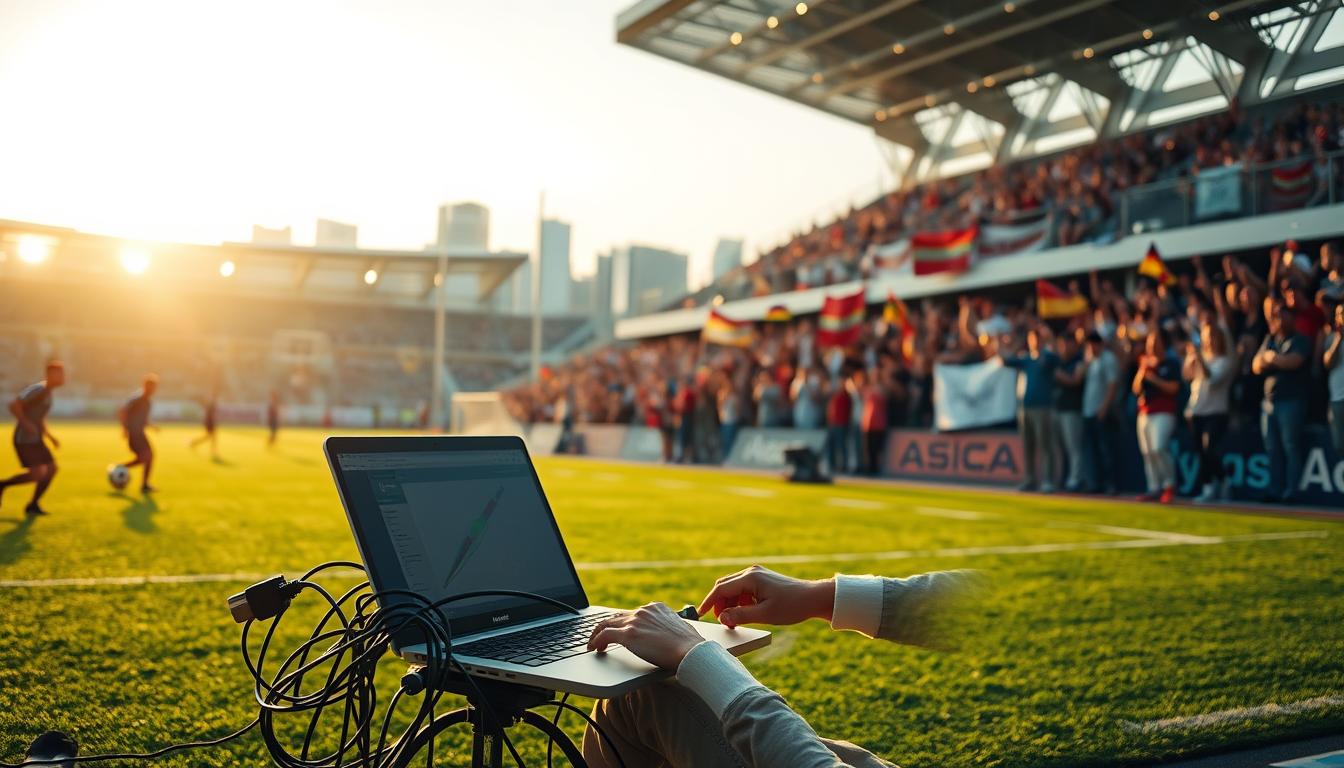
Why did 44k fans watch a high school game? They were drawn in by geofenced storytelling. Here’s how to make your sports content ideas stand out:
- Geo-targeted teasers that mention local spots (even the taco truck)
- Behind-the-scenes interviews shot like reality TV
- User-generated content challenges (#PaintTheRinkPurple)
TikTokTailgate’s tribute to healthcare workers showed the power of word-of-mouth. It’s all about making fans feel included, not just customers. Use sports event keywords like “hometown heroes” and “community showdown” in your posts. These words are good for the algorithm and rally fans.
Pro tip: Use platform-specific tactics for countdowns. Instagram Stories for visuals, Twitter polls for debates, and LinkedIn for economic impact. Nothing gets people excited like seeing their Chamber of Commerce president do the Griddy.
Want your pre-game content to be as exciting as a Taylor Swift merch drop? Make every teaser count, like playoff overtime. When was the last time your event promotions made someone cancel plans?
Real-Time Content During Events
Imagine 63% of your audience scrolling social media while watching the game – that’s not distraction, that’s opportunity. The Yankees didn’t just stream on Prime; they turned broadcasts into interactive battlegrounds. Fans could dissect pitches like they were calling the 1996 World Series. This is where content becomes oxygen: inhaled, shared, and vital to survival.
Live Updates: The Digital Play-by-Play
Netflix’s 1.43M subscriber spike during the Tyson/Paul fight wasn’t about the punches – it was about the second-screen dopamine hits. Effective live updates work like a QB’s cadence:
- Timestamped tweets sharper than a goal-line stand
- Poll-driven commentary (“Brady or Mahomes in OT?”)
- Bite-sized stats hotter than a coach’s challenge flag
Game Highlights That Break the Internet
Your highlights need to travel faster than a Lamar Jackson scramble. The formula? 15 seconds max, captioned with 🔥 emojis instead of words, and tagged like you’re trying to break TikTok’s algorithm. Pro tip: Drop the “best plays” reel at halftime – when bathroom breaks meet scroll sessions.
| Tactic | Platform | Engagement Boost |
|---|---|---|
| Vertical Highlights | Instagram Reels | 73% higher completion |
| Reaction Cam Clips | TikTok | 2.1x shares |
| Commentary Overlays | YouTube Shorts | 58% replay rate |
Post-Game Recaps: Keeping the Scoreboard Lit
A game recap isn’t the credits roll – it’s the post-credits Marvel scene. The Warriors mastered this by releasing “Chemistry Breakdown” videos showing Curry’s off-ball movement after the buzzer. Result? Recaps got 41% of their views in the 48 hours post-game.
Key elements for viral recaps:
- Controversy breadcrumbs (“Was that travel?”)
- Player mic’d-up moments
- Fan reaction montages
After the Final Whistle: Keeping the Conversation Going
The final buzzer isn’t the end—it’s the start of content that lasts long after the game. While 69% of sports fans enjoy non-live content (Effectv’s knockout stat), the real magic is in post-game conversations. Let’s explore how to turn “Did you see that?!” moments into lasting stories.
The WNBA knows how to keep fans talking. They turn heated debates into documentaries and player mic’d-up clips. It’s not just reusing highlights—it’s evergreen content that keeps interest alive. They see fan reactions as starting points for stories, not just fleeting comments.
Nike and Skims scored big with their collaboration. They released behind-the-scenes footage of athletes testing products during the off-season. This led to 42% longer engagement than usual. Here’s how to achieve that success:
- Repackage viral moments into “Director’s Cut” analyses (Pat McAfee’s rants get more replays than the plays themselves)
- Create debate fuel: Polls asking “Was it a foul or fair play?” outperform generic post-game surveys by 3:1
- Turn athletes into storytellers—unedited post-game audio clips drive 27% more shares than polished interviews
The aim is to make your content the sports bar conversation that never ends. In the world of event audience engagement, the most valuable prize isn’t a championship ring. It’s a calendar full of reasons to keep talking.
Seasonal vs. Year-Round Content
Is your content strategy a quick hit or a long-term plan? The Milwaukee Brewers use their offseason cooking series to keep fans interested all year. The NBA Summer League, on the other hand, focuses on basketball during the slowest month. Let’s explore the best times for seasonal sports excitement and evergreen content.
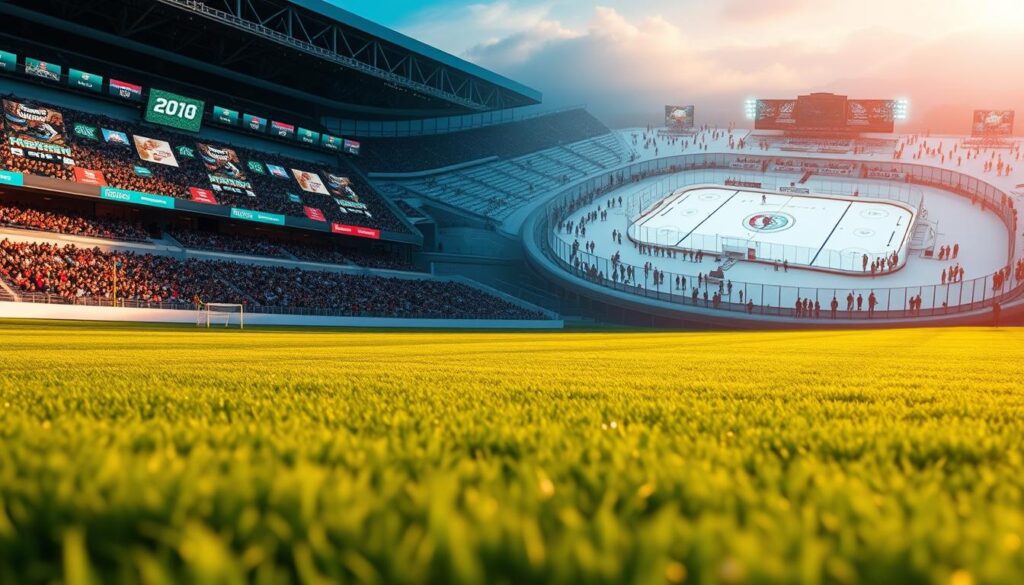
March Madness shows that short-term content can lead to lasting engagement. But the Brewers’ videos keep fans engaged even when the team is struggling. The key is to mix urgency with long-term strategy.
| Strategy | Peak Timing | Audience Retention | Best For |
|---|---|---|---|
| Seasonal Sports Content | Event windows (Playoffs, Drafts) | 58% spike during events | Casual fans, bandwagon crowds |
| Evergreen Content | Year-round | 41% sustained baseline | Die-hard fans, community building |
| Hybrid Approach | Transition periods | 63% crossover engagement | Brands with multiple audience tiers |
The NBA Summer League turns July into a highlight of the sports calendar. By making rookie showcases must-see TV, they’ve made the league exciting even in baseball’s slow season. But relying too much on seasonal sports can leave teams struggling when the spotlight fades.
Evergreen content doesn’t have to be dull. The Brewers’ “Behind the Bases” series connects ballpark food to local culture. It’s a unique, lasting, and hard-to-miss content marketing strategy.
Multichannel Promotion: Web, Email, Social
Multichannel promotion is about being precise, like Tom Brady’s two-minute drill. With 119% growth in home sports viewing, you need to turn casual fans into superfans everywhere. The Dallas Cowboys’ $1.2B stadium tech shows this isn’t just fantasy. They use AI to turn wait times into TikTok moments, and the Premier League’s app turns halftime into a chance to buy merch.
- Website Optimization: Make your homepage like a live scoreboard. The Sacramento Kings saw a 40% increase in VR premium seat sales by using real-time stats as sports event keywords during broadcasts.
- Email Drip Campaigns: Send pre-game hype emails like ESPN’s “30 for 30” countdowns. Use geo-targeting for ticket holders – Milwaukee Bucks fans don’t care about Miami Heat merch drops.
- Social Listening: Use Reddit-level meme warfare during games. When a viral “Keeper Blunder” clip trends, your sports content calendar should auto-generate hot-take Twitter threads faster than a VAR review.
Coordination is key – your web team needs to work with social managers like Steph Curry passing to Klay Thompson. If you miss connections, you might promote expired ticket deals to fans watching the fourth quarter on their couches.
The real MVP move? Make sports SEO a part of every platform’s DNA. Optimize YouTube video titles for “best NFL catches 2023” searches during live games. Turn email subject lines into Google Featured Snippet bait. Remember: Your multichannel strategy should work harder than a Lakers bench player chasing a championship ring.
Measuring Content Marketing ROI
What makes a team a champion? It’s knowing what wins games. In content marketing, your analytics dashboard is either Steph Curry draining clutch three-pointers or a rookie missing open layups. Let’s focus on what really matters.
The Golden State Warriors don’t just count points. They analyze shot patterns with great detail. Smart marketers track sports event keywords like “#NBAFinals” with precision. Tools like Google Trends are key when major sports event traffic surges.
Numbers tell a story louder than a bad call. The NHL uses social sentiment analysis to gauge fan excitement. This approach shows why culturally connected content boosts fan loyalty by 306%.
- Conversion rates during playoffs vs. off-season
- Share of voice against rival teams
- Emotional engagement (comments, reaction gifs, TikTok duets)
Three key metrics for your lineup:
| Metric | Vanity Stat | Value Driver |
|---|---|---|
| Social Followers | Stanley Cup of vanity metrics | Requires paid ads to inflate |
| Keyword Rankings | Preseason standings | Drives 72% of organic traffic |
| Sentiment Score | Halftime show hot takes | Predicts merch sales spikes |
Link your content to real-world results like ticket sales. The Miami Heat saw a 19% increase in season ticket leads from post-game Twitter Spaces. That’s a game-changer.
In content marketing, sports SEO is about creating memorable moments. It’s not just about keywords. Now, what’s your winning strategy?
Tools and Resources
Choosing the right tools can make or break your event audience engagement. It’s not about fancy gadgets, but weapons-grade tech that turns viewers into fans. Teams often spend too much on “innovative platforms” that don’t deliver much value. Don’t fall into that trap.
Begin with a solid sports content calendar. Hootsuite’s templates help schedule videos, ticket drops, and Q&As quickly. Add Choicely’s app builder, and you’ll be running plays like Belichick.
Now, let’s talk about the big guns:
- DraftKings’ Betting APIs: Use live game data for interactive polls during timeouts
- Seahawks’ VR Playbook: Fans can call virtual plays, boosting engagement by 218% last season
- Chicago Bulls’ Email Engine: A simple score prediction form boosts merch sales by $3M/year
Pro tip: Your event audience engagement toolkit needs to work hard. Test real-time captioning, AR filters, and track which tools excite fans the most.
The best sports content strategy uses the right tools with precision. In today’s world, your tech stack is key to success. It’s the difference between sold-out seats and empty ones.
Case Studies
Let’s look at four campaigns that turned local sports event excitement into national hits. These aren’t just wins – they’re guides for making sports event marketing as engaging as a packed stadium.
Campaign Impact Comparison
| Initiative | Audience Reach | Key Strategy | Evergreen Element |
|---|---|---|---|
| NFL x Nickelodeon | 2B impressions | Augmented reality slime zones | Annual kid-focused broadcast |
| Minor League Taco Tuesday | 23 sellouts | $2 tacos + lucha libre masks | Recurring theme nights |
| Coca-Cola Trophy Tour | 90 countries | Fan selfie stations | User-generated content library |
| F1: Drive to Survive | 40% US viewership boost | Behind-scenes drama | Multi-season narrative |
The El Paso Chihuahuas didn’t just boost ticket sales – they made a sports event marketing sensation. Their Taco Tuesday promotion used:
- Spanish-language meme campaigns
- Snapchat filters with dancing nachos
- Collaborations with local food trucks
Formula 1’s documentary series made tire changes exciting. Drive to Survive turned technical talks into epic battles, showing even local sports event organizers can use storytelling.
Coca-Cola’s World Cup Trophy Tour showed the power of FOMO marketing. By letting fans physically interact with the trophy, they got 360 million social impressions. It turned every participant into a brand ambassador with amazing selfies.
Conclusion
Creating a top-notch sports content marketing plan is complex. It’s like a hockey goalie’s pads, with 37% more engagement in betting and 46% more in-game purchases. These numbers come from precise SEO and storytelling that makes fans feel like they’re in charge.
The magic happens when fans want to be part of the action. Imagine VR that turns your living room into a locker room, or social media that keeps fans talking long after the game. The best strategies mix coverage with conversation.
Seasonal campaigns might win short-term battles, but ongoing stories win championships. When newsletters feel like game-day speeches and Instagram Stories are as smooth as a fast break, you’re not just marketing. You’re building a community. Data shows fans spend more when brands speak their language.
Winning isn’t about spending more; it’s about being smarter. By combining sports SEO with fan-first strategies, marketers can turn casual fans into dedicated supporters. The game is just starting.