
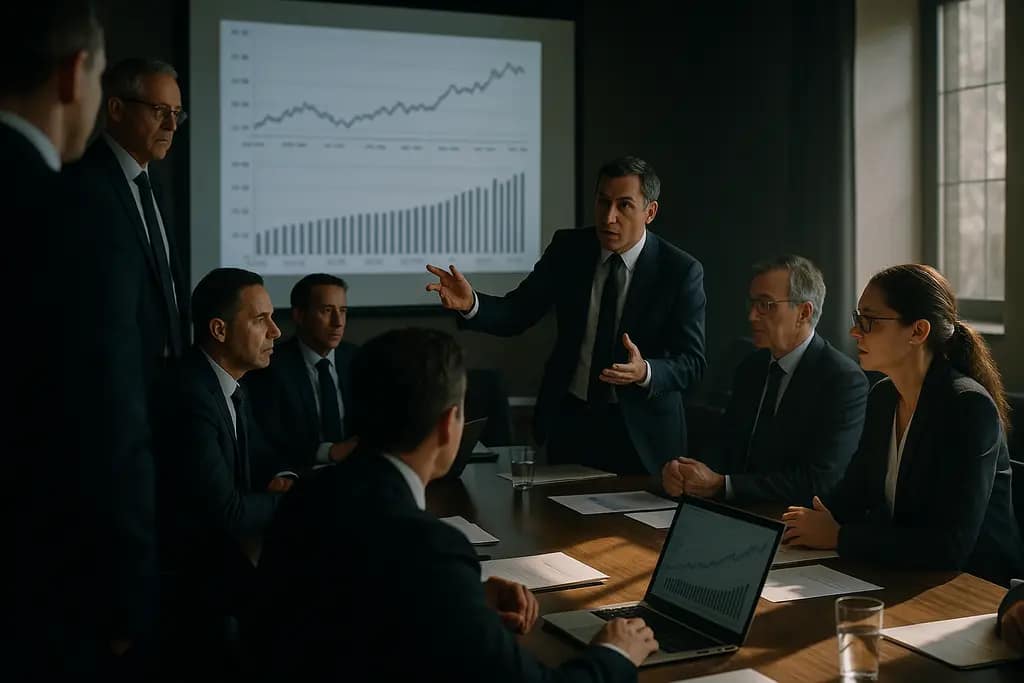
The Paramount Warner merger pause is not just a legal delay. Confirmed: the proposed $110 billion deal between Paramount Skydance and Warner Bros. Discovery has been halted while a court considers antitrust concerns raised by a coalition of states. For audiences, creators, and rival distributors, the pause raises a practical question: how much concentration can the entertainment business absorb before consumer choice, commissioning power, and fan communities begin to narrow?
Why The Paramount Warner Merger Pause Matters
Paramount Warner Merger And The Legal Clock
Confirmed: On July 20, 2026, a coalition of 12 U.S. states led by California filed a lawsuit seeking to block the deal, arguing that it could reduce competition in Hollywood. U.S. District Judge Araceli Martínez-Olguín issued a 14-day temporary restraining order that same day, pausing the transaction for further review, according to The Washington Post.
Confirmed: Paramount Skydance later agreed to delay closing the Warner buyout while the judge considers the states’ challenge. The Associated Press also reported that if the deal is not completed by September 30, 2026, Paramount would owe Warner shareholders about $7 million per day until the transaction is finalized, subject to the agreement’s terms as reported by AP.
Market-analysis: The legal pause matters because timing can shape bargaining power. A merger held in place by court order does not simply freeze a corporate transaction; it creates uncertainty for programming decisions, licensing talks, executive planning, investor expectations, and talent negotiations. Studios still need to commission shows, promote films, renew rights, and manage streaming services while a potential change in ownership sits unresolved.
Market-analysis: For the Paramount Warner merger, the most revealing issue is not only whether the deal survives. It is how the legal fight frames cultural production as a competition issue. Antitrust debates are often discussed through prices and market share, but entertainment competition also affects which projects receive greenlights, which libraries stay accessible, which sports or news rights are packaged together, and how much room smaller studios have to reach viewers.
What Consolidation Could Change For Audiences
Confirmed Assets At The Center Of The Case
Confirmed: The proposed combination would bring major assets into one corporate structure, including CBS, CNN, HBO Max, and Paramount+. That mix matters because it spans broadcast television, cable news, prestige subscription streaming, franchise libraries, sports-adjacent programming, and film distribution. The case is therefore not only about one streaming service absorbing another. It is about how several audience pipelines could be managed by a single enlarged company.
Market-analysis: Viewers usually feel consolidation through smaller signals before they see any single dramatic change. A library title may move behind a different subscription wall. A bundle may become more attractive while standalone services feel less essential. A franchise may receive priority because it supports several platforms at once. A mid-budget film or series may be asked to prove its value against larger internal brands with stronger promotional support.
Market-Analysis: Fewer Gatekeepers, More Pressure
Market-analysis: The strongest argument for consolidation is usually scale. A larger company can claim it has more resources to compete with global streaming rivals, spend on technology, market major releases, and keep subscription prices appealing. The strongest argument against it is gatekeeping. If fewer companies control more distribution routes, creators may have fewer buyers, fans may have fewer independent programming centers, and competitors may face tougher rights negotiations.
Opinion: Audience harm should not be measured only by whether a subscription price rises next month. Cultural harm can also appear when fewer unusual projects are commissioned, when smaller fan bases lose support, or when catalog access is reorganized around corporate goals rather than viewer discovery. Those outcomes are harder to quantify than price, so regulators and courts tend to need clear evidence before treating them as central antitrust issues. Still, they matter to how people experience film and television.
- Confirmed: The deal is paused while antitrust claims are reviewed.
- Market-analysis: The combined assets would affect several distribution channels at once.
- Opinion: Audience choice includes catalog depth, creative variety, and platform accessibility, not only monthly cost.
How Creators And Fandoms Read The Pause
Confirmed: Labor Concerns Sit Beside Antitrust Claims
Confirmed: The research record for this case includes industry opposition from writers, with concerns that a larger combined company could reduce demand for screenwriting work and harm content creators. Because the high-authority source set here does not provide full detail on that separate labor lawsuit, the safer reading is limited: creator-side anxiety is part of the broader public response, but the specific legal merits require direct court records or reporting from established trade outlets.
Market-analysis: That caution still leaves a meaningful cultural point. Writers, producers, directors, and actors depend on a market with multiple buyers. If one buyer controls more platforms, the number of commissioning desks can shrink even if the total content budget appears large. For a fan, that can show up as fewer chances for niche genres, fewer experimental formats, or longer odds for shows that build slowly through word of mouth.
Opinion: Fandoms are often treated as promotional energy, but they are also early-warning systems. Genre communities notice when a streamer stops supporting a type of series. Reality TV viewers notice format changes and shorter seasons. Animation fans notice release gaps. Documentary audiences notice when acquisition patterns shift. These signals may not prove antitrust harm by themselves, but they help explain why media consolidation becomes a cultural issue rather than a boardroom-only matter.
Distribution And Monetization Stakes
Market-analysis: The streaming business has pushed media companies toward scale because subscriber growth has become harder to sustain across many separate services. In that setting, bundling, ad tiers, licensing, theatrical windows, and international rights are all part of the same revenue puzzle. A larger Paramount-Warner entity could potentially coordinate those tools with more force, but rivals and regulators may ask whether that power limits competitive pressure.
Market-analysis: The pause also affects audience engagement planning. Marketing teams cannot build long-term brand architecture with full confidence while ownership and service strategy remain in question. Campaigns for films, prestige series, live programming, and library promotions may continue, but the long-range question remains: will the company compete as separate brands, unified services, or a more tightly bundled subscription system?
Paramount Warner Merger Competition Signals
Market-analysis: The paused Paramount Warner merger is a stress test for how courts, states, studios, creators, and audiences define competition in entertainment. If the court allows the deal to proceed, the industry may read it as support for scale as a survival strategy against streaming pressure. If the challenge gains ground, the message may be that media combinations involving news, streaming, broadcast, and studio assets require a higher level of scrutiny.
Opinion: The most audience-aware approach is to separate what is known from what remains uncertain. The deal is paused. The states have raised antitrust claims. The companies face timing pressure. The assets involved are culturally significant. What is not yet confirmed is how the final legal outcome will change prices, libraries, commissioning, release strategy, or platform design.
Market-analysis: For industry competition, the lesson is already visible. Scale may help companies fund expensive content and compete for attention, but scale can also reduce the number of meaningful buyers and gatekeepers. The court process will decide the legal path. Audience behavior will reveal the cultural effects after that, through subscriptions kept or canceled, fandoms sustained or lost, and creators finding more or fewer doors open for their next project.


