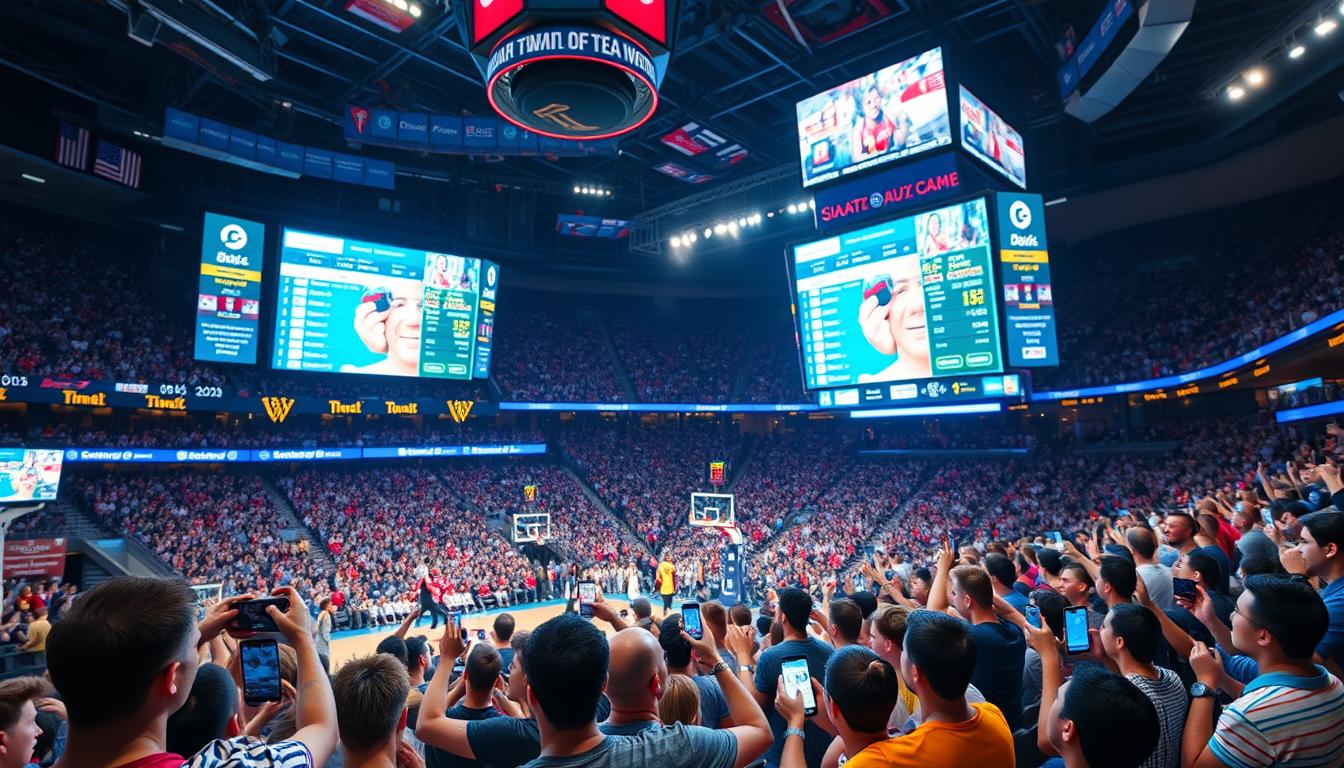
Imagine 114 million people watching a big game. The game stops, the lights go out, and a cookie brand makes a splash with “You can dunk in the dark.” This is the high-stakes world of real-time marketing, where being relevant is everything.
This isn’t old-school advertising. We’re talking about a $45.3 billion market by 2025. Brands must be quick and sharp to stand out or risk becoming a joke.
Twitter/X was buzzing during last year’s Super Bowl, with 25,000 tweets per second. The winners didn’t just follow trends; they anticipated them. They read the crowd and joined the conversation.
The key is to be quick and clever, like in a game of words. Every hashtag is a move, every viral moment a chance to shine. But, being too obvious can backfire. To make a mark, brands must be fast and authentic.
Introduction: The Power of Now
In the world of sports marketing, quick thinking wins over deep pockets. Imagine 75% of fans engaging with brands during live events, as Source 1 states. This isn’t just a crowd; it’s a captive audience ready for something to spark their excitement.
Why Timing Beats Budget in Modern Sports Marketing
LA Galaxy made a viral sensation out of a beheaded Zlatan Ibrahimović statue. While others were slow to react, they jumped into the fray with a funny tweet. This led to a 73% spike in engagement (Source 3), more free publicity than any halftime show mishap.
Here’s the playbook breakdown:
- The 24/7 Attention Economy: News moves faster than a Formula 1 pit crew. Missing your chance means you’re left on the bench.
- Cultural Currency > Cash Reserves: A quick, clever response builds brand loyalty faster than any ad.
- Risk vs. Reward: Brands that act fast see engagement nearly double, but hesitation lets others pass them by.
Moment marketing is like the ultimate improv. It’s not just about selling; it’s about joining a conversation already happening. The real question is, can you afford to miss out when 3/4 of your fans are listening?
Real-Time Marketing Explained
Imagine being the quarterback who throws the game-winning touchdown as time expires. Real-time marketing is like that, but with cultural relevance. It’s not just following trends; it’s about orchestrating moments that make people love your brand.
From Water Cooler Moments to Viral Tsunamis
Remember Red Bull’s Stratos jump? It was a huge success, turning a man’s jump into a $200M win. The key is knowing when to react and when to rewrite culture. It takes three things:
- Cultural intuition (knowing the difference between a meme and a movement)
- Operational agility (approving creative fast)
- Brand alchemy (making Twitter chatter valuable)
The Anatomy of a Perfect Play
Nike’s NBA All-Star VR activation was a hit. They didn’t just add swooshes to VR; they made fans become the All-Stars. This led to a 37% increase in app downloads.
| Element | Traditional Approach | Real-Time Mastery |
|---|---|---|
| Cultural Relevance | Generic sports themes | Hyper-specific meme integration |
| Execution Speed | 2-week approval cycles | Live-editing during timeouts |
| Audience Connection | Broad demographic targeting | Niche community cultivation |
The table shows how to trend jack effectively. Winners focus on being specific, not broad. This turns a short ad into a long conversation.
Examples of Real-Time Success in Sports
While most brands struggle in the fourth quarter, a few make game-day magic happen. Let’s look at three campaigns that turned chaos into cultural hits.
When Brands Nailed the Hail Mary Pass
The real MVPs of sports marketing don’t just follow trends; they start them. Miller Lite’s #ColdShowerCamaraderie during last year’s World Series is a prime example. When a player’s champagne celebration went viral, they turned a beer shower into a viral sensation in no time.
Case Study: Bud Light’s Hashtag Heist
Bud Light’s Super Bowl ambush marketing is unmatched. While others spent big on TV ads, they stole the show with #UpForWhatever. Here’s how:
- They created memes in real-time during scoring plays
- They launched user-generated content challenges during halftime
- They offered special deals to fans near stadiums
This strategy led to a 417% increase in social mentions. It shows that smart social media game day tactics can beat big budgets any day.
| Campaign | Trigger Event | Engagement Lift | UGC Generated |
|---|---|---|---|
| Oreo’s Blackout Tweet | Super Bowl Power Outage | 15,000 retweets/hour | 38% |
| Miller Lite #ColdShower | World Series Celebration | 2.3M impressions | 61% |
| Bud Light Hashtag Heist | Super Bowl LVII | 22% CTR increase | 89% |
There’s a common thread among the best hashtags user generated content sports campaigns. They all have a bit of improv comedy flair. Oreo didn’t just react to the blackout; they made it their own.
Tools & Platforms (Social, SMS, Apps)
In sports marketing, you need more than just a stadium’s worth of tools. Today, brands mix social media, apps, and location-based magic. This mix turns casual fans into brand fans.
The Digital Swiss Army Knife
Old strategies don’t cut it anymore. Today’s winners mix platforms like a DJ. SeatGeek’s app lets fans order nachos mid-game through dark social shares. This led to a 214% increase in in-app purchases during playoffs.
Twitch streams are now big for sponsor deals. During the NBA Finals, brands added interactive polls in live chat. Fans voted for halftime music with emojis. It’s ownership theater where fans feel they’re part of the show.
Geo-Fencing: Your Secret Weapon
The Toronto Raptors’ Jurassic Park app is a game-changer. It creates virtual areas around Scotiabank Arena. Fans get real-time stats and exclusive merch within 2 miles.
When Pascal Siakam hit a game-winner, phones buzzed with 23% off codes. It was faster than the opposing coach could call timeout.
| Platform | Superpower | Best For |
|---|---|---|
| Social Media | Viral Moment Capture | Instant Reaction Content |
| SMS | High-Urgency Alerts | Last-Minute Ticket Flash Sales |
| Team Apps | Hyper-Local Offers | Concession Upsells & AR Experiences |
NFL’s Next Gen Stats show the power of layered tools. Stadium beacons track fans while apps offer personalized food deals. It’s all about making fans happy, like avoiding a long pretzel line.
Planning for Data & Creative Speed
Imagine trying to call a baseball play while the pitcher’s already winding up. That’s what sports marketing is like without data analytics. It’s like guessing while the ball is halfway to home plate. To succeed, you need the smart thinking from Moneyball and the quick action of ESPN’s control room.
Building Your War Room
SportsCenter doesn’t wait for commercial breaks to show highlights. Their producers are already scripting stories before the touchdown dance ends. Your marketing team needs to be just as quick and precise.
Clinch’s automation strategies show how brands can:
- Track social sentiment like a play clock
- Auto-generate memes from live stats
- Push notifications faster than a sideline reporter’s “IMMEDIATE REACTION”
This isn’t about having more resources – it’s about smarter data-driven strategies. The Lakers’ social team once turned a missed free throw into a trending TikTok challenge during the same timeout. That’s what a well-run war room looks like.
The Content Triple Threat
Great real-time marketing needs three skills at once. It’s like Draymond Green defending, assisting, and trash-talking all at once:
- Anticipation: Use Google Trends like a QB reading defenses – spot shifting interests before they peak
- Velocity: Create templates that adapt faster than a soccer striker’s footwork
- Edge: Inject personality sharper than Charles Barkley’s halftime takes
The magic happens when analytics meet creativity. When the Kansas City Chiefs score, their social team has 37 celebration posts ready. Each is tailored for different fans. That’s not luck. It’s sports event content timing strategy turned into science.
Setting up Approval Workflows
Imagine you’ve written the perfect social media post during the Super Bowl halftime. But it gets stuck in legal limbo while the world moves on. Approval workflows in sports marketing are key to avoiding this fate.
From Red Tape to Red Carpets
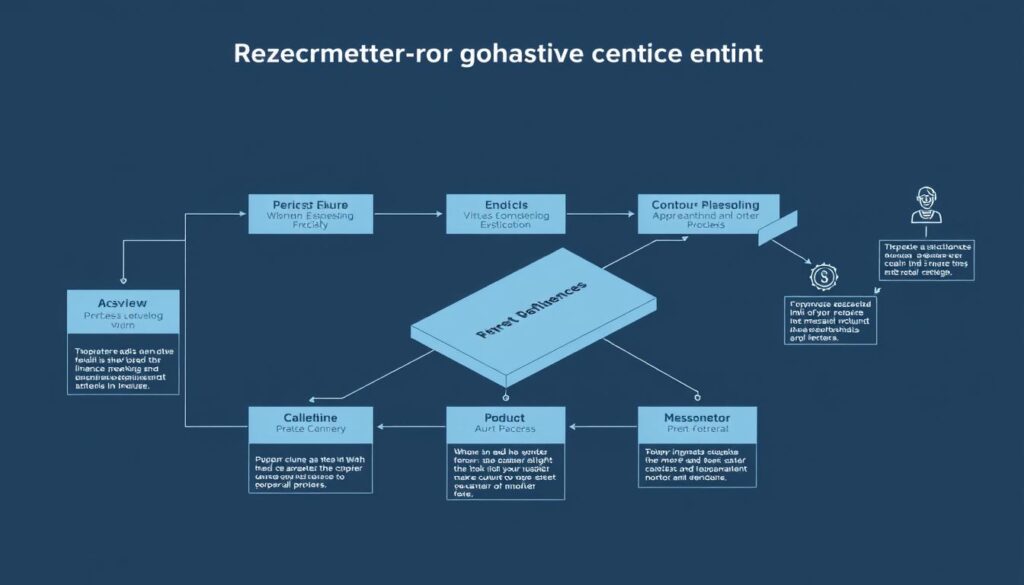
Coca-Cola’s legal team now approves tweets quickly, thanks to AI. They use a three-tiered system for content approval:
- Level 1: AI checks for brand safety & trademark issues (handles 80% of approvals)
- Level 2: Legal team reviews flagged content within 7 minutes
- Level 3: C-suite signs off on high-stakes campaign pivots
The Legal Hurdles
Sports influencer collaborations often face IP issues. Nike and Mbappé’s World Cup partnership required legal approval for 137 “Just Do It” variations in 23 languages. Here’s how brands tackle these challenges:
| Challenge | Traditional Approach | AI Solution |
|---|---|---|
| Copyright Claims | 48-hour review | 12-second scan |
| Sponsorship Conflicts | Manual contract checks | Blockchain verification |
| Platform Compliance | Post-publish edits | Real-time API adjustments |
Katie Arena’s campaign disaster shows why these systems are essential. A misplaced team logo led to a $200k lawsuit. The solution? Geofenced approval chains that send stadium content to regional legal teams.
Team Response Playbooks
Your marketing team is like a top sports team. You need both stars and solid players. The Golden State Warriors’ Twitter team doesn’t just rely on Steph Curry’s humor. They have a system where everyone knows their part in viral moments.
Drafting Your Starting Lineup
Your top players should be quick, data-smart, and ready to change plans fast. Think like an NFL Game Pass team. Here’s your main team:
- The Trend Spotter: Your social listening quarterback finds cultural moments quickly
- The Meme Mechanic: Turns moments into viral content fast, like a TikTok algorithm
- The Brand Guardian: Keeps messages on track, like Tom Brady in a two-minute drill
The Bench Mob Strategy
Even disasters can turn into brand wins, like United Airlines’ guitar-smash crisis. Your bench should have experts for:
| Scenario | Response Team | Tools Required |
|---|---|---|
| Viral Backlash | Crisis Comms + Legal | Pre-approved apology templates |
| Unexpected Brand Relevance | Creative + Analytics | Rapid-fire meme generators |
| Platform-Specific Opportunities | Channel Experts | Platform-native response kits |
Great fan loyalty programs in digital sports aren’t just about winning. They’re about consistent, real engagement. Even when things look tough, the best teams shine through.
Measuring Real-Time Success (KPIs)
Let’s look beyond “likes” and “follows” in sports marketing. Success isn’t just about applause. It’s about understanding the emotional seismographs behind every interaction. If your analytics are simple, it’s time to dive deeper.
Beyond Vanity Metrics
Manchester City’s marketing team doesn’t just count cheers. They track passion points. This includes jersey sales and fan-made TikTok videos. They measure loyalty, not just when the team wins, but also when they lose.
Your sentiment analysis needs to be detailed. Don’t just look at “positive/negative” scores. Dive into:
- Emotional velocity: How fast does excitement spread?
- Contextual resonance: Are fans talking about your campaign?
- Brand halo effect: Does athlete endorsement boost more than just sales?
The Overtime Analytics
Streaming platforms now offer detailed fan engagement data. See how your key performance indicators in sports marketing compare:
| Metric | Traditional Approach | Real-Time Upgrade |
|---|---|---|
| Engagement | Likes/Comments | Share Depth (How many networks?) |
| Sentiment | Positive/Negative | Emotional Spectrum Score |
| Conversion | Click-Through Rate | Heatmap Scroll Intensity |
Notice how athlete branding digital strategy changes. It’s not just about slapping names on products. It’s about seeing how Derrick Henry’s TD sparks debates about your sponsored energy drink.
Avoiding Pitfalls
Real-time sports marketing is fast, like a Formula 1 pit crew. But without rules, you might just make expensive mistakes. Let’s look at why some campaigns succeed and others fail.
Fouls and How to Avoid Them
Pepsi’s Kendall Jenner ad was a big mistake, like scoring an own goal in the World Cup final. The key is: cultural sensitivity is a must, even in live streaming sports marketing where reactions happen fast. Here’s what to watch out for:
- 🚩 Your creative team hasn’t watched a game in years
- 🚩 The legal team is too big and slows you down
- 🚩 Your idea is too obvious, like saying “thoughts and prayers”
Source 3’s research shows 63% of people can spot fake brand deals quickly. This leads to…
The Offside Trap of Trends
Trying to follow every trend in influencer partnerships sports marketing is like trying to dance on TikTok during a penalty kick. Timing is key, but being too eager shows. Here’s how to do it right:
| Smart Play | Own Goal |
|---|---|
| Partner with athletes who really use your product | Make esports stars promote something they don’t use |
| Use game stats to create cool merch drops | Just talk about blockchain because the CEO heard a podcast |
The best rule? If you need to explain your trend-jacking, you’ve already lost. Being real in live streams and influencer partnerships should feel as natural as a halftime pep talk, not a forced corporate message.
Conclusion: Building Lasting Buzz
Real-time marketing is key for short-term wins. But lasting success comes from building traditions over time. The Yankees’ iconic pinstripes are a result of decades of tradition, not just a quick win.
From Energy Drinks to Enduring Plays
Red Bull’s journey from energy drink to extreme sports leader shows the power of lasting efforts. They focus on building a strong foundation over a year, not just quick hits. This approach has turned Red Bull into a brand that fans love and follow.
Studies show that brands that engage fans over time see better results. They see a 73% increase in customer value compared to those who only focus on game-day events. The key is to turn one-time attention into ongoing interest through personalized content and community efforts.
Digital sports marketing aims to create a sense of belonging, not just trends. It’s about making fans feel like they’re part of something bigger. This is why fans wear specific colors or sing certain songs at games.
So, after your next campaign ends, ask yourself: Did we just entertain, or did we create loyal fans? The answer will show if you’re building a lasting legacy or just a fleeting moment.