
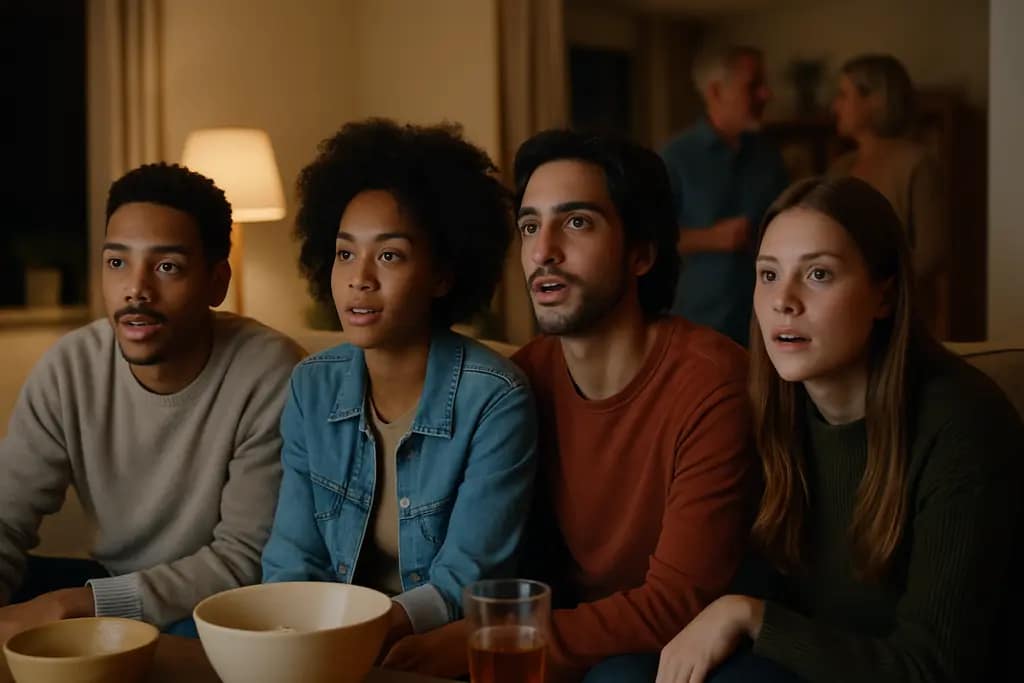
Confirmed data shows that streaming viewership trends in 2026 are no longer defined mainly by pandemic-era trial, rapid subscription growth, or emergency home-entertainment behavior. They now point to a more settled audience pattern: streaming is central to TV time, YouTube is a major TV-screen distributor, library programming still carries heavy engagement, and audio streaming has become part of the same on-demand habit cycle. The cultural implication is not simply that audiences stream more. It is that viewers have become more comfortable moving between premium services, video platforms, older catalog titles, music, and creator-led formats based on convenience, cost, fandom, and habit.
Market-analysis: the post-pandemic era should be read carefully. The available data does not prove that every change was caused by the pandemic. It does show that behavior that accelerated during that period has persisted into 2026. For studios, platforms, advertisers, and event marketers, the practical question is no longer whether streaming can compete with traditional TV. The more useful question is how fan attention gets distributed across services, formats, and cultural moments once streaming becomes the default gateway for many households.
The Data Behind streaming viewership trends
How streaming viewership trends moved on the TV set
Confirmed data: Nielsen reported that streaming reached 49.0% of total U.S. TV viewing time in July 2026, up 0.5 percentage points from June. In the same report, YouTube captured a record 14.2% of all TV watch time, while Disney streaming properties rose to 4.7% of TV share Nielsen reported. Those figures matter because they describe TV usage, not only mobile or laptop viewing. Streaming is not just an alternative screen behavior; it is part of the living-room routine.
That shift changes how media companies should think about audience loyalty. A household can move from a creator video to a prestige drama, then to a sports clip or a family library title without leaving the connected-TV interface. This makes the TV screen less like a fixed channel dial and more like a demand-led menu. For entertainment marketers, the result is a harder retention task. A platform may win a sign-up, but it still has to win the next session, the next search, and the next recommendation click.
Market-analysis: YouTube’s July 2026 share is especially significant because it blurs older category boundaries. A viewer may treat YouTube as a social video platform, a music hub, a podcast screen, a news source, or a TV substitute. That cross-format role gives it cultural reach beyond a single genre. It also pressures subscription services to compete not only against each other, but against a habit loop built around search, clips, personalities, and fast discovery.
| Confirmed 2026 Signal | Reported Figure | Audience Meaning |
|---|---|---|
| Streaming share of U.S. TV time in July 2026 | 49.0% | Streaming remained near half of measured TV usage. |
| YouTube share of all TV watch time in July 2026 | 14.2% | Platform video held a record position on the TV screen. |
| Disney streaming TV share in July 2026 | 4.7% | Bundled franchise and service behavior continued to matter. |
| Global on-demand audio streams in H1 2026 | 2.8 trillion | On-demand behavior extended well beyond television. |
Why near-half TV share changes marketing assumptions
When streaming approaches half of TV time, the old split between digital campaigns and television campaigns becomes less useful. Market-analysis: a studio promoting a new series, a music documentary, a live special, or a reality franchise now has to assume that discovery may happen on the same screen as consumption. Trailers, clips, cast interviews, creator reactions, and library episodes all compete in one attention flow.
This connects to a related SiteBob analysis of Nielsen Gauge data, which tracked how streaming’s pull shaped U.S. viewing patterns earlier in 2026. The key lesson for audience teams is consistency: the more streaming becomes habitual, the more platforms need clear reasons for viewers to return after a launch window. One big premiere can still create a spike, but retention depends on repeatable viewing routines.
Library Viewing And Original Content Pull
Confirmed Data Shows Catalogs Still Matter
Confirmed data from Luminate’s mid-2026 reporting, carried by the Associated Press, showed that global on-demand audio streams reached 2.8 trillion in the first half of 2026, up from about 2.5 trillion in the first half of 2025. In the U.S., the figure rose to 732.7 billion streams. The same report said Netflix held 57% of U.S. viewing time for original streaming TV and film in the first half of 2026, while library TV logged 42.2 billion hours compared with 11.5 billion hours for original TV the AP report said.
The library-content figure is one of the clearest warnings against overreading premiere culture. New originals drive press cycles, social conversation, awards positioning, and subscriber acquisition campaigns. Older and licensed titles, however, can support everyday viewing. Market-analysis: for fan engagement, that means nostalgia, comfort viewing, procedural rewatching, sitcom discovery, and long-tail fandom can be as commercially useful as short-run launch intensity.
Netflix’s reported 57% share of original-content viewing time also suggests that dominance in originals did not automatically erase the value of catalog depth across the wider market. A service can lead originals while viewers still spend large amounts of time with older material. That tension helps explain why licensing, windowing, bundles, and franchise libraries remain central business questions.
Music Data Points To Wider On-Demand Culture
The audio figures are relevant to television because they show the same audience habit from another angle. Viewers and listeners are not only replacing one medium with another. They are applying on-demand expectations across media categories. If a fan can call up a favorite song, podcast, concert clip, recap video, or comfort series with little delay, patience for rigid scheduling weakens outside of live sports, major events, and appointment-driven finales.
Confirmed data in the same AP report also described genre diversification in U.S. music consumption: R&B and hip-hop remained the largest category, but its album-equivalent consumption share was about 30% in the first half of 2026, down from about 41% in 2023, while country and Latin music were rising. Market-analysis: this matters for streaming video because fan identity is increasingly cross-format. A Latin music surge can affect documentary demand, festival livestream interest, creator coverage, short-form discovery, and soundtrack marketing. Cultural momentum rarely stays in one media lane.
What Viewer Behavior Means For Platforms

Audience Loyalty Is Becoming Session-Based
Market-analysis: streaming viewership trends point toward a session-based loyalty model. A viewer may subscribe to several services, but daily engagement often depends on what is easiest to find, what friends are discussing, what the algorithm surfaces, and what feels worth the time after a long day. That is different from older channel loyalty, where a network’s schedule created repeated exposure.
This creates pressure on home screens, recommendation systems, trailers, thumbnails, and franchise architecture. It also raises the value of culturally legible programming. A show with a clear premise, a familiar star, a strong fandom, or a recognizable world can cut through the menu more easily than a title that requires heavy explanation. Opinion: in a crowded streaming environment, clarity may be one of the most underrated creative-marketing assets.
For event marketers, the July 2026 Nielsen data also supports a cautious point about tentpole timing. Big sports and cultural events can still concentrate attention, but streaming’s large share means the surrounding fan experience is fragmented across highlights, commentary, creator reactions, replays, documentaries, podcasts, and social video. The event itself may be live; the engagement cycle around it is on demand.
Monetization Now Depends On More Than Subscriptions
As streaming matures, monetization is less about adding subscribers at any cost and more about matching content value to viewing behavior. Market-analysis: ad-supported tiers, licensing deals, bundles, library placement, and platform partnerships all become more important when audiences are willing to move quickly. The services that understand which titles drive habit, not just launch-week attention, are better positioned to protect fan relationships.
This is also where cultural coverage matters. Sites in the same network, including platforms like Noirwhale, often examine how entertainment choices relate to identity, taste, and community dynamics. This perspective matters because data can show where attention went, but not always why it was important to the audience. Effective analysis should blend metrics with cultural insight.
What streaming viewership trends Mean For Engagement
The 2026 data suggests that streaming viewership trends have entered a more mature phase. Streaming is not simply growing as a novelty. It is shaping the baseline expectations viewers bring to television, music, news-adjacent video, and fandom. Confirmed data from Nielsen places streaming at 49.0% of U.S. TV time in July 2026. Confirmed data from Luminate’s midyear report points to massive on-demand audio use and a continuing gap between library TV hours and original TV hours.
The cautious interpretation is that audience behavior has become both more flexible and less forgiving. Viewers have more ways to find entertainment, but that means they also have more ways to leave. A platform may attract attention through a hit original, a major sports moment, or a beloved catalog title. Keeping that attention requires a steady mix of usability, pricing discipline, cultural relevance, and content that gives fans a reason to return.
For studios and platforms, the strategic task is not to chase every format at once. It is to understand which audience behaviors are confirmed by data and which are only assumed. The strongest reading of streaming viewership trends in 2026 is that fan engagement now lives across connected TV, platform video, music streaming, library viewing, and creator-led discovery. The winners will be the companies that treat those behaviors as connected parts of one audience routine, while avoiding claims that the data cannot support.


