

The FCC TV ratings inquiry that began on April 22, 2026, has become more than a regulatory review of children’s programming labels. Confirmed: the FCC Media Bureau issued Public Notice DA-26-392 in docket MB-19-41, with comments due on May 22, 2026, and replies due on June 22, 2026. The notice asked whether the TV Parental Guidelines should be updated to reflect current concerns, including how gender identity themes are treated in programming aimed at younger viewers, according to the FCC’s public notice.
Market-analysis: the inquiry sits at the intersection of content regulation, parental control, streaming-era distribution, and audience trust. Ratings are not only a compliance tool. They are a signal that helps families decide what fits their household standards, and they shape how networks, streamers, advertisers, and advocacy groups talk about children’s media. As of October 30, 2026, the research supplied for this analysis does not identify a final FCC rulemaking outcome, so the most careful reading is that the proceeding opened a formal record rather than settled the ratings debate.
Why FCC TV Ratings Became A Cultural Flashpoint
Confirmed: the April 2026 public notice revived concerns about “ratings creep,” a claim that some programs with mature themes may receive ratings that critics view as too lenient. Reporting on the proceeding also noted FCC questions about consistency across broadcast television, multichannel video programming distributors, and streaming platforms, as well as the role and composition of the TV Oversight Monitoring Board, according to TV Technology.
What FCC TV Ratings Asked The Public To Weigh
Confirmed: the inquiry asked whether the ratings system still serves its statutory purpose across a media market that no longer centers only on linear broadcast schedules. That distinction matters for families. A parent may encounter the same franchise through a local station, a cable channel, a subscription streaming service, a free ad-supported streaming service, or a mobile app. If rating practices feel inconsistent across those settings, the viewer’s trust shifts from the label to the platform, the brand, or outside recommendation networks.
Market-analysis: that trust gap is especially meaningful in children’s programming because family viewing choices are often made quickly. A short rating label can carry more influence than a full synopsis. If viewers believe that a TV-Y, TV-G, or TV-Y7 label does not reflect the type of content they expect, the dispute becomes cultural as well as administrative. It affects whether audiences view the ratings board as neutral, whether platforms are seen as transparent, and whether content creators feel pressure to frame stories through a defensive labeling debate before audiences even encounter the work.
Why “Ratings Creep” Is Really A Trust Argument
Reviewed: the phrase “ratings creep” is not a settled measurement in the research notes; it is a criticism raised by reform advocates. The underlying concern is still clear. Families who depend on ratings want those ratings to offer stable expectations. Creators and distributors, by contrast, need a system that does not punish lawful storytelling or turn ordinary character identity into a warning category. That tension explains why the inquiry has drawn attention beyond Washington policy circles.
Opinion, based on audience behavior: the most durable ratings systems tend to work when users understand what the labels mean and when the labels are applied in ways that feel predictable. If a system becomes a proxy fight over cultural legitimacy, viewers may stop treating it as a guide and start treating it as a political signal. That is a weaker foundation for family decision-making and a harder environment for children’s media producers.
Audience Perception And Platform Distribution
Confirmed: the research notes cite a 2024 TV Oversight Monitoring Board national survey reporting high parental satisfaction with the existing TV Parental Guidelines. They also cite advocacy polling from 2026 showing strong parental interest in content labels for violence, sexual content, and LGBTQ or sensitive themes. Because those findings come from different sponsors, time periods, and question frames, they should not be treated as direct contradictions. They show that audience perception depends heavily on how the question is asked.
Market-analysis: for distributors, the larger issue is not whether every parent agrees on every label. The issue is whether the rating system can hold credibility across fragmented viewing habits. Streaming interfaces often rely on rows, thumbnails, autoplay, short descriptions, and algorithmic suggestions. A rating label may appear in a smaller part of the decision path than it did on traditional television guides. That makes consistency more important, not less, because parents may have fewer moments to evaluate content before playback begins.
Confirmed: the proceeding also raised questions about whether the law’s exclusion of ratings based on political or religious content limits how regulators can respond to disputes around gender identity themes. That legal boundary is significant. If a label is seen as targeting viewpoint or identity rather than describing content such as violence, sexual situations, or language, the regulatory discussion moves into more sensitive First Amendment territory.
Market-analysis: this is where entertainment regulation overlaps with fan engagement. Families are not the only audience. Young viewers, LGBTQ audiences, educators, creators, advocacy groups, advertisers, and platform trust teams all read ratings choices as cultural messages. A label that one household views as disclosure may be read by another audience as stigma. A system that ignores parent concerns may be read as dismissive. Neither reaction can be waved away if the goal is durable trust.
Regulatory Pressure On The Ratings System
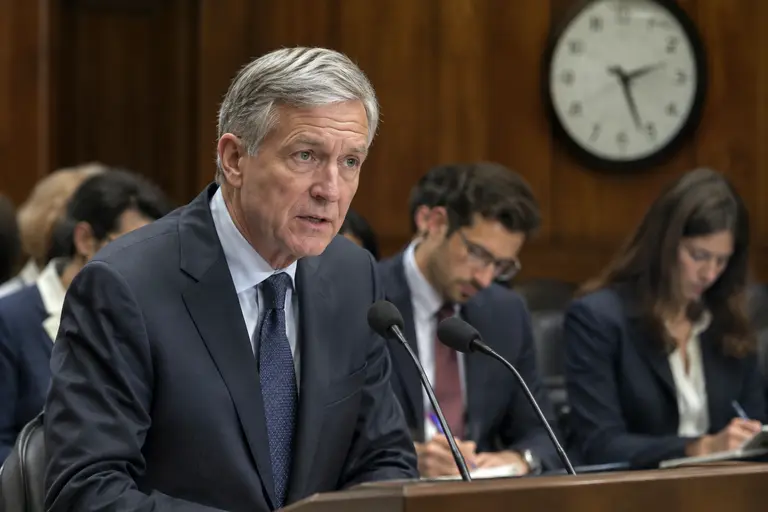
Confirmed: the inquiry scrutinized the TV Oversight Monitoring Board, including whether its membership sufficiently reflects family-oriented perspectives and whether faith-based organizations should be included. That question goes beyond technical administration. It asks who gets recognized as a legitimate stakeholder in setting norms for children’s media.
Governance, Accountability, And Public Legibility
Market-analysis: governance is often the least visible part of media ratings, but it may be the part that matters most for public confidence. If families do not understand who reviews ratings disputes, how complaints are evaluated, or how platforms apply labels across different release formats, then even accurate ratings can lose authority. A transparent process does not guarantee consensus, but it can reduce suspicion.
Reviewed: reform proposals cited in the research include clearer disclosure for sensitive themes, firmer accountability for the TV Oversight Monitoring Board, more transparent standards, and annual reporting on ratings disputes. Opposing perspectives cited in the research warn that new labels tied to gender identity themes could stigmatize LGBT content and create viewpoint-regulation concerns. The research does not show that the FCC adopted either side’s preferred remedy by October 30, 2026.
Market-analysis: this unresolved status is central. Media companies should not assume that the absence of a final rule means the issue has faded. Public comment processes can set expectations for future oversight, legislative pressure, voluntary industry changes, or platform-level policy shifts. The related question is whether audience-facing labels can remain useful without becoming a culture-war sorting tool.
A related site in the same publishing network, BIFF Award, often focuses on how audience recognition and institutional signals shape media value; the ratings debate shows a regulatory version of that same signal power.
FCC TV Ratings And Children’s Programming Perception
The future of FCC TV ratings is not only a matter of whether labels become longer, narrower, or more visible. The harder issue is whether the public still believes the labels are fair. A ratings system for children’s programming has to serve families without reducing identity, viewpoint, or ordinary social representation to a hazard marker. It also has to give parents enough information to make choices without requiring them to research every episode before a child presses play.
As of October 30, 2026, the confirmed record supports a cautious assessment: the FCC opened a serious inquiry, the formal comment and reply deadlines passed in May and June 2026, and the debate exposed real disagreement about the purpose of children’s programming labels. What remains uncertain from the supplied research is whether that record will lead to FCC action, industry self-regulation, changes at the TV Oversight Monitoring Board, or no major change.
For media companies, the practical lesson is immediate even without a final rule. Ratings are part of audience experience. They affect trust before viewing begins, shape how family content is marketed, and influence whether viewers see a platform as respectful of parental choice. The FCC TV ratings debate showed that children’s programming is still a high-stakes site for cultural negotiation, even in a market where viewing has moved across broadcast, cable, and streaming screens.