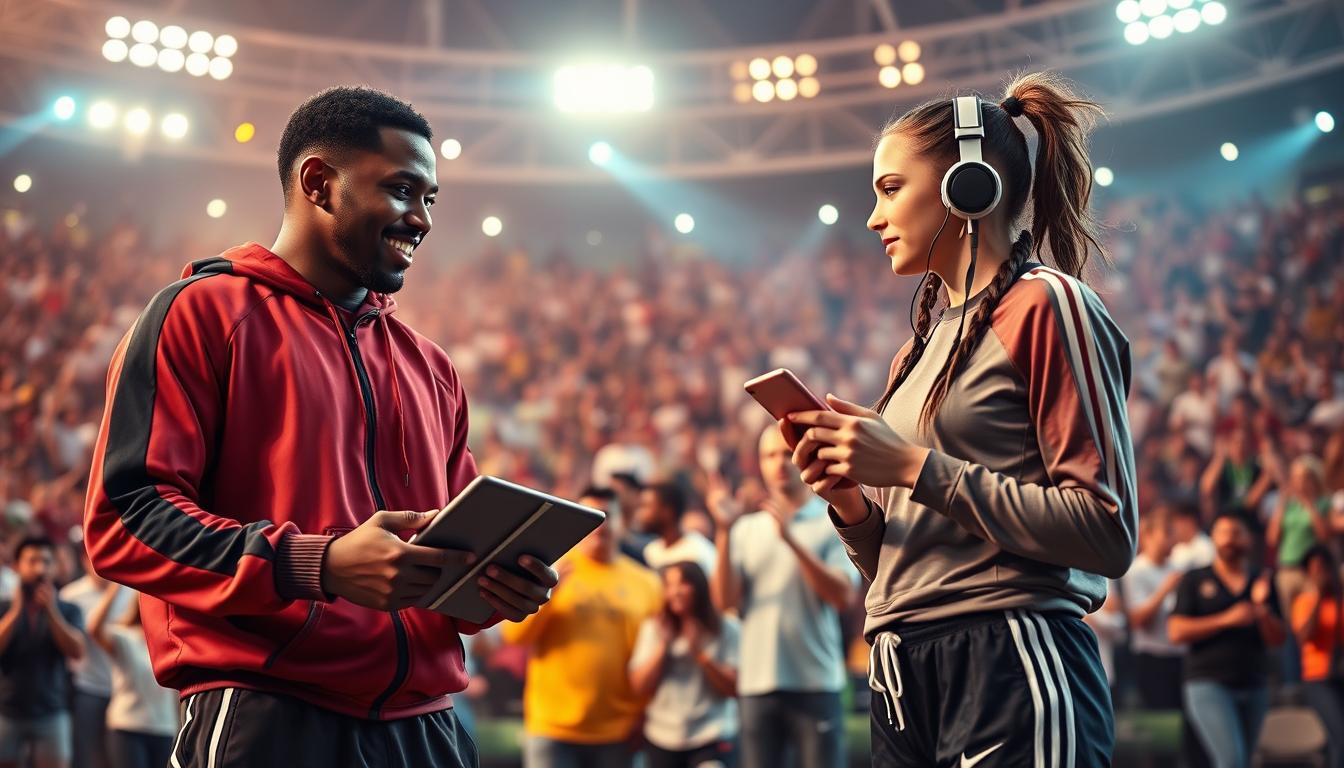
Remember when athletes just played games and brands just sold products? Those days vanished faster than dial-up internet connections.
We’re seeing a cultural shift. Cristiano Ronaldo’s Instagram posts now beat out big corporate ads. Fitness creators build empires from their homes.
I’ve watched this change closely. Authenticity is now the key in marketing. The game has completely changed.
It’s not just about putting logos on jerseys anymore. Today, it’s about building real connections. This comes from people who have earned trust the hard way.
Would you prefer to hear about workout gear from a corporate suit or someone who actually uses it? This is more than just marketing changing.
We’re in a new era where influence matters more than interruption. Everyone is part of this exciting shift.
Types of Collaboration (Micro vs Macro Influencers)
Think of influencer marketing like building your dream sports team. Do you choose the LeBron James of social media or the rising stars? Welcome to the world of digital collaborations.
Macro influencers are like your MVPs with huge followings. They’re the Cristiano Ronaldos of Instagram – known worldwide and pricey. They’re great for campaigns that grab everyone’s attention.
Micro influencers are different. They’re like the sixth man who always comes through. With 10k-100k followers, they have high engagement rates. Gymshark grew by partnering with fitness creators, not just athletes.
| Factor | Micro Influencers | Macro Influencers |
|---|---|---|
| Audience Size | 10,000-100,000 | 1,000,000+ |
| Engagement Rate | 3-7% (All-Star level) | 1-3% (Solid starter) |
| Content Style | Niche expertise | Broad appeal |
| Cost Efficiency | High ROI | Premium investment |
| Authenticity Factor | Community trust | Brand recognition |
Smart brands use both macro and micro influencers. Under Armour uses big names for awareness and micro creators for community building. It’s about having the right team for your goals.
These collaborations work best when they feel like recommendations from a trusted friend. Whether it’s an MMA fighter or a fitness influencer, genuine content is key.
The best strategy is to match your influencer choice with your goals. Need broad awareness? Go macro. Want community engagement? Micro is the way. Sometimes, you need both for success.
Identifying the Right Influencers
Finding the right influencer is not just about looks. It’s about finding someone who truly connects with your audience. It’s like choosing the right players for your team, not just the stars.
Brands often focus too much on follower counts. But having a million followers doesn’t mean much if they’re not real people. It’s like chasing Pokémon without knowing the real goal.
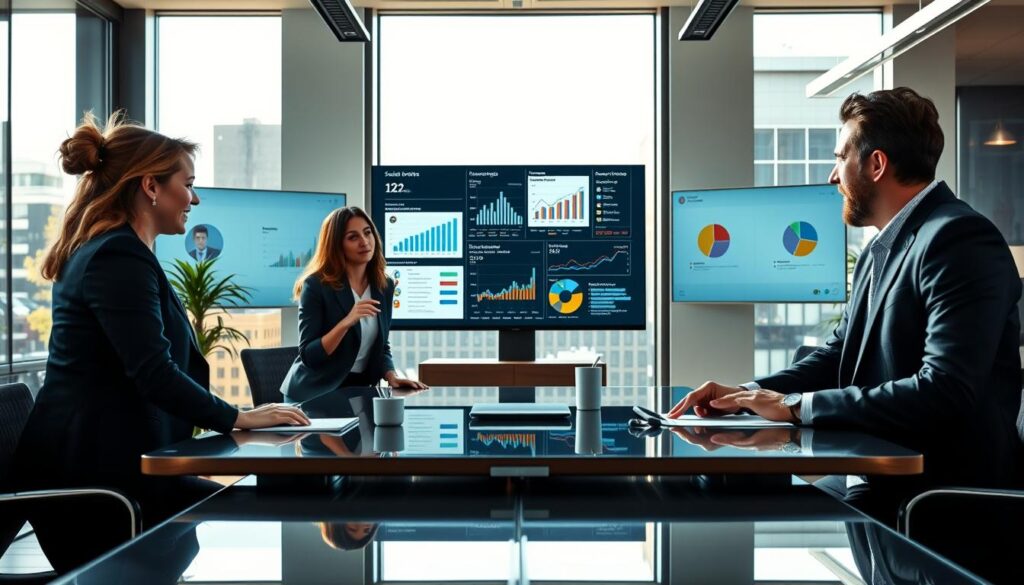
Real success comes from analyzing data like a sports expert. Look beyond basic stats and into what makes their audience tick. This helps you target your event influencer strategy more effectively.
RDX Sports chose influencers who were true to their sport. They didn’t just pay for ads; they invested in credibility. This is the key difference between a sponsorship and a partnership.
Here’s what sets pros apart in event influencer strategy:
| Metric | Amateur Approach | Professional Approach |
|---|---|---|
| Audience Analysis | Follower count only | Engagement rate + psychographics |
| Content Alignment | Generic product placement | Authentic demonstration in context |
| Partnership Depth | One-off sponsored post | Ongoing collaborative relationship |
| ROI Measurement | Likes and shares | Conversions and brand sentiment |
The right influencer is more than a face. They live your brand’s values. Their authenticity turns followers into customers and campaigns into movements.
Before signing, ask if the influencer’s audience matches your target. Can they show your product in real use? Most importantly, do they believe in what you’re selling? If not, their audience will see right through it.
Campaign Planning & Execution
Think hiring sports influencers is just about writing checks? That’s not how it works. Successful campaigns need more strategy than a top-level chess match.
First, be honest about your goals. Are you looking to boost sales or increase brand awareness? Your answer will guide your budget and platform choices. Don’t show up to the big game with a small plan.
Then, set a realistic budget. This isn’t Monopoly money. Your budget will decide which influencers you can hire and what campaigns you can run. Smart brands spend on both talent and production.
Choosing the right platform is key. Brands in combat sports do great on Instagram with visuals. Gaming brands shine on Twitch with live streams. Pick where your audience hangs out.
The execution phase is where many campaigns fail. It’s not just about hiring talent. You need to make them part of your brand story. Set clear goals but give them creative freedom. Nobody likes fake authenticity.
Make sure your communication works. The best sports influencer marketing strategies treat creators as partners, not puppets. A solid plan can be your ticket to success.
Social Content Ideas
If your digital collaborations strategy is just about influencers holding products, you’re behind. The best content doesn’t just advertise. It creates moments that people want to share.
PlayStation’s Unbox Therapy was a game-changer. It wasn’t just an unboxing video. It was a cultural hit that got gamers talking for weeks. EA Sports’ “Boot Room” series during FIFA 21’s launch was another hit. It turned gameplay into entertainment that felt like hanging out with friends.
The best sports content asks a simple question: why should I care? It answers so well that viewers forget they’re watching ads. Successful collaborations educate, entertain, and inspire all at once.
Here’s what works today:
- Behind-the-scenes training sessions that show athletes using your gear in real conditions
- Equipment tear-downs that show engineering quality, not just specs
- Challenge videos that spark our competitive side
- Workout demos that offer real value and show product benefits
The combat sports world gets this right. When MMA fighters show off gear during training, it’s real proof. It’s authentic, valuable, and cool to watch.
Your content should evoke feelings. It could be the thrill of competition, the joy of learning, or the drive to improve. This turns casual viewers into engaged followers and loyal customers.
The best digital collaborations create experiences, not ads. They know that in sports marketing, athletes’ journeys and real moments connect with audiences. It’s not just about the product.
Legal Considerations
Think of legal contracts as your event influencer strategy’s offensive line. They’re not noticed until they fail, and then everything falls apart. I’ve seen more campaigns fail because of paperwork issues than bad engagement.
The FTC’s crackdown on disclosures was like a blindside hit. It was a big surprise for many.
- Intellectual property rights: Who owns that amazing content they create?
- Exclusivity clauses: Can they work with your competitors during the campaign?
- Compliance requirements: FTC guidelines and ADA accessibility aren’t suggestions
Smart brands treat influencer agreements like athlete contracts. They include specific performance clauses and clear usage rights. Defined disclosure requirements are also key. These aren’t restrictions – they’re the guardrails that keep your strategy from crashing.
Remember, partnership marketing’s golden rule is: protection enables creativity. When both parties understand the boundaries, the magic happens. The best collaborations have clear terms that allow creative freedom while preventing legal disputes.
Don’t abandon your campaign after signing though. Keep tracking progress. Monitor compliance. Adjust as needed. Because nothing ruins a great partnership faster than legal surprises – it’s like fumbling at the one-yard line.
Your event influencer strategy deserves better than that. Build the proper framework from the start, and watch your campaign score touchdown after touchdown.
Measuring Engagement
If you’re not tracking your sports influencer campaigns, it’s like playing darts blindfolded. You might hit something, but it’s probably not the bullseye. Vanity metrics, like likes and follows, look good on spreadsheets but don’t pay the bills.
The sophisticated brands measure what actually matters. They use advanced sports analytics, not just counting goals. They look at expected goals, possession percentages, and player efficiency ratings.

Your measurement strategy should be as tailored as your influencer selection. What gets measured gets managed, and what gets managed gets improved. If not, you’re just throwing money into the digital wind.
Use data analytics to track consumer behavior and market trends. This data-driven approach helps refine your targeting over time. Don’t abandon your campaign after launch – keep checking progress metrics and keep improving.
The real magic happens when you track beyond the campaign period. Does audience sentiment improve? Does brand recall increase? Do sales lifts persist after the influencer posts?
I’ve seen combat sports brands track everything from website traffic spikes during influencer live streams to sales conversions using unique discount codes. They measure engagement quality, audience growth, and actual ROI.
| Metric Type | What It Measures | Why It Matters | Ideal Benchmark |
|---|---|---|---|
| Conversion Rate | Actual sales from campaign | Direct revenue impact | 3-5% for sports products |
| Engagement Rate | Meaningful interactions | Audience connection quality | 5-8% for macro influencers |
| Audience Growth | New followers during campaign | Long-term brand building | 10-15% increase |
| Sentiment Analysis | Brand perception shifts | Emotional connection value | 20% positive shift |
| Content Amplification | Shares and reposts | Organic reach expansion | 2.5x original audience |
Remember: tracking campaign success isn’t about collecting data points. It’s about gathering intelligence that informs your next move. The best sports influencers partnerships become smarter with each campaign iteration.
Measure what matters, manage what you measure, and watch your ROI climb faster than a rookie’s vertical jump during combine testing.
Examples
Real learning happens when we look at campaigns that changed culture. These aren’t just ads – they’re lessons in connecting with people.
Cristiano Ronaldo’s deal with Nike is a perfect example. It shows how athlete and brand can become one. They made sports gear look like art, creating a huge impact.
Naomi Osaka’s partnership with Beats by Dre is another great example. She made headphones stand for mental health awareness. This shows how products can carry deep meaning when paired with real voices.
Gymshark found success by focusing on fitness creators, not athletes. They built a huge following by partnering with people who actually use their products.
EA Sports’ FIFA 21 launch during COVID was genius. They turned restrictions into chances to engage. Their “Boot Room” series made fans feel like they were hanging out with football stars at home.
PlayStation is great at building excitement before a product even comes out. They make new releases feel like big events, thanks to their influencer partnerships.
| Brand | Influencer | Strategy | Result |
|---|---|---|---|
| Nike | Cristiano Ronaldo | Cultural content integration | Billion-dollar brand synergy |
| Beats by Dre | Naomi Osaka | Social advocacy alignment | Expanded brand meaning |
| Gymshark | Fitness creators | Niche market domination | Community-driven growth |
| EA Sports | Multiple influencers | Pandemic adaptation | Enhanced digital engagement |
| PlayStation | Gaming influencers | Anticipation building | Cultural event status |
These examples show three key things: being real, thinking strategically, and putting the audience first. They prove that great digital collaborations need more than just famous faces. They need to be culturally relevant.
The best campaigns know that today’s audiences can spot fake efforts right away. They want partnerships that feel natural, not forced. That’s why these examples keep making an impact, while others fade away.
Final Tips
Think of your event influencer strategy like coaching a championship team. You don’t win with just one superstar. You win with depth, trust, and plays that score.
After watching this game evolve, here’s my playbook: treat influencers as partners, not vendors. The best collaborations, like Ronaldo and Nike, built empires over decades, not days.
Diversify your roster. Mix macro influencers for reach with micros for niche authenticity. Measure what matters—real business outcomes, not just vanity metrics. Stay legally sharp but creatively loose; the magic happens when creators own their voice.
Your event influencer strategy thrives on genuine resonance, not reach. Authenticity isn’t a buzzword; it’s the entire game. In an age where consumers smell marketing from a mile away, real partnerships cut through the noise. Now go win.