

The 2026 FIFA World Cup gave soccer in the United States a historic opportunity: turn millions of tournament viewers into fans who keep watching long after the final whistle. New data released in October suggests that the opportunity is already extending beyond the international competition, with U.S. soccer fandom reaching an estimated 75.2 million people in July 2026, up from 66.8 million a year earlier.
The numbers are encouraging for Major League Soccer (MLS), international leagues, broadcasters, clubs, sponsors, and digital publishers. According to Nielsen research reported by Reuters on October 14, soccer fandom in the United States increased by 13% year over year. MLS fandom also grew by 28% over the five-year period from 2022 to 2026, adding a reported 11.7 million fans.
Yet audience growth is only the first step. A person who watches a World Cup final may not know which MLS team plays nearby, where to stream a weekend match, or how to follow a club throughout a full season. Converting that initial curiosity into regular viewing, ticket purchases, newsletter subscriptions, and community participation requires a deliberate engagement strategy.
For sports organizations and publishers, the central question is no longer simply how to attract attention during a major tournament. It is how to give new fans enough reasons to return when the tournament is over.
U.S. Soccer Fandom Reaches a New Milestone in 2026
The latest Nielsen Fan Insights findings point to a substantial expansion in the American soccer audience. As Reuters reported on October 14, 2026, the estimated number of U.S. residents identifying as soccer fans rose from 66.8 million in July 2025 to 75.2 million in July 2026. That represents an increase of 8.4 million people in one year.
The tournament also generated a record U.S. audience for a soccer match. Spain defeated Argentina 1–0 in the World Cup final on July 19, 2026, and the match averaged 66.4 million viewers in the United States, according to Reuters. Nielsen’s research also found increased viewing for MLS, the English Premier League, and Spain’s LaLiga after the tournament.

These figures matter because they point to two related but different developments: more people identify as soccer fans, and television audiences for regular league matches have increased in several measured categories.
Neither metric alone proves that every new fan will remain engaged. Together, however, they give clubs, broadcasters, and publishers a timely opportunity to build lasting habits.
Key numbers behind the post-World Cup soccer boom
| Indicator | Reported result | Why it matters |
|---|---|---|
| U.S. soccer fans in July 2025 | 66.8 million | Previous year comparison |
| U.S. soccer fans in July 2026 | 75.2 million | Latest reported estimate |
| Year-over-year fan growth | 13% | Indicates a larger potential audience |
| Growth in U.S. soccer fandom, 2022–2026 | 27%, or 16 million people | Shows that the trend predates the tournament |
| Growth in MLS fandom, 2022–2026 | 28%, or 11.7 million people | Signals a broader opportunity for domestic clubs |
| U.S. audience for the July 19 World Cup final | 66.4 million viewers | Demonstrates the tournament’s reach |
| Post-World Cup MLS viewing among men ages 18–34 on Fox and FS1 | Up 55% | Indicates momentum among a commercially important audience |
| Post-World Cup MLS viewing among adults ages 18–34 on Fox and FS1 | Up 29% | Shows increased viewing in the same age range |
Sources: Nielsen Fan Insights findings reported by Reuters and MLS; the broadcast comparisons refer to regular-season MLS games shown on Fox and FS1 after the World Cup break versus pre-tournament regular-season matches.
An important distinction is necessary: Nielsen’s fan estimates are not a count of people watching every week. Likewise, the broadcast figures do not represent all MLS viewing platforms. They are useful indicators of momentum, but not proof that the entire new audience has become a consistent group of league viewers.
Why the World Cup Can Create Long-Term Fan Engagement
A major tournament offers something that regular-season sports sometimes struggle to reproduce: a clear story, a shared calendar, and a compelling reason for people with different levels of knowledge to watch the same event.
Casual viewers may tune in for a national team, a star player, a dramatic knockout match, or a gathering with friends. During the tournament, they can become interested in rivalries, tactics, players, and the emotional stakes of a match. When the competition ends, however, those reasons to watch can disappear unless another connection takes their place.
The task for sports marketers is to create a bridge between the excitement of a global event and the more frequent experiences offered by clubs and leagues.
From tournament excitement to a weekly habit
The most effective strategy is to give new fans an easy next step. Someone who watched the World Cup final might be interested in seeing a local MLS club, following a favorite player, or understanding how the domestic season works.
Clubs and publishers can help by offering:
- A simple introduction to local teams: Explain club identities, stadium locations, major rivalries, and how to attend or watch matches.
- Player-focused storytelling: Use interviews, short profiles, and behind-the-scenes features to help viewers recognize players outside the tournament.
- Accessible match previews: Explain the stakes of upcoming games without assuming readers already understand standings or tactics.
- Recurring content formats: Weekly previews, matchday newsletters, highlights, and postgame analysis give audiences a predictable reason to return.
- Community experiences: Supporters’ events, watch parties, youth soccer programs, and local reporting can turn passive interest into participation.
These are strategic recommendations rather than measured outcomes from Nielsen’s study. Their value is that they address the gap between discovering a sport and developing a lasting relationship with it.
The next challenge is retaining attention
The 2026 tournament’s reach created a large potential audience, but attention competes with work, entertainment, other sports, and everyday responsibilities. A fan may enjoy an international final without wanting to watch multiple matches every week.
Organizations should therefore avoid treating every new viewer as an equally committed supporter. A better approach is to build engagement in stages: first provide useful information, then encourage repeat visits, and finally offer deeper participation to those who show sustained interest.
For a digital publisher, this might mean moving a reader from a World Cup explainer to a local-team guide, then to a match preview, and eventually to a recurring newsletter. For a club, the equivalent path might run from a social video to a match schedule, ticket information, and a membership or supporter program.
MLS, the Premier League, and LaLiga Are Seeing the Momentum
The post-World Cup increase is not limited to one competition. Nielsen’s latest reported figures show gains across U.S. broadcasts of MLS and major European leagues, suggesting that the tournament may have helped viewers explore soccer beyond international matches.
According to Reuters on October 14, audiences for regular-season MLS matches on Fox and FS1 after the World Cup break increased 55% among men ages 18–34 and 29% among adults ages 18–34 compared with pre-tournament regular-season games. Nielsen also reported a 30% increase among U.S. adults ages 18–34 watching the English Premier League on NBC and USA Network, including Spanish-language broadcasts.
For LaLiga, audiences across ESPN, ESPN2, ABC, and ESPN Deportes increased 42% year over year across English- and Spanish-language broadcasts. The reported increase among viewers ages 18–34 was 60%. These figures offer a sign that tournament-driven curiosity may be extending into domestic and international club competition, although the metrics use different broadcast groups and comparison periods.
What the numbers mean for each part of the soccer industry
Major League Soccer
MLS can use the post-tournament period to strengthen local club identities. New viewers may need straightforward guides to teams, rivalries, player stories, stadium experiences, and where matches are available.
The Premier League
The increase in younger U.S. viewers offers broadcasters and publishers a reason to develop accessible content about clubs, managers, rivalries, and match schedules. Clear time-zone information and viewing options can reduce friction for new fans.
LaLiga
The reported audience increase across English- and Spanish-language broadcasts highlights the importance of serving fans in the language and format they prefer. Clubs and publishers can create relevant coverage without assuming all fans follow the same players or teams.
For publishers, this diversification is particularly useful. Rather than depending on one tournament or national team, a website can build editorial coverage around local soccer, European leagues, women’s soccer, youth development, and the business of the sport. The goal is to create multiple entry points for readers with different interests.
Real-World Signals: Ticket Sales and Club-Level Interest
Broadcast ratings are only one way to assess whether a sports audience is becoming more engaged. Ticket purchases, merchandise sales, newsletter registrations, and repeat website visits can offer additional evidence that interest is moving beyond watching a major event.
A report published by Front Office Sports on October 13, 2026, included two examples of club-level activity after the World Cup. A Philadelphia Union spokesperson said single-game ticket sales had increased 218% since the start of the tournament, while Nashville SC reported a 161% increase in online ticket sales over the same period.
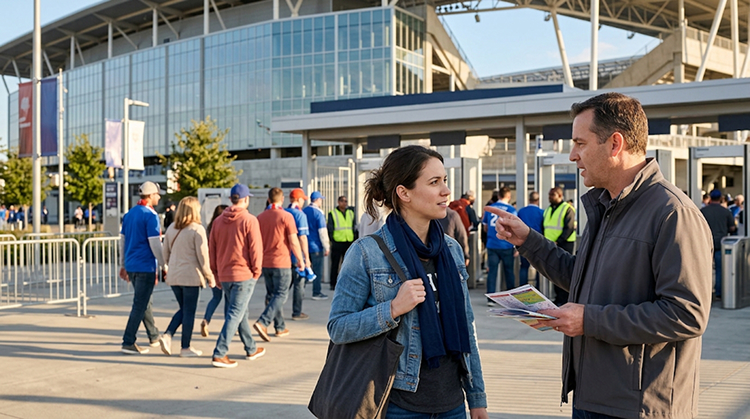
Those are notable figures, but they should be interpreted carefully. They are club-reported changes over a particular period, not proof that every purchase came from a first-time fan or that the increases will continue throughout the season. The article does not establish that the two clubs used identical measurement windows or definitions.
Still, the examples demonstrate why sports organizations should look beyond television reach. A casual viewer who buys a ticket, attends a match, or follows a club’s digital channels has taken a different step from someone who watches a single televised game.
Engagement metrics that matter after a major tournament
Sports organizations and digital publishers can build a practical measurement framework around the following indicators:
- Returning audience rate: How many visitors or viewers come back after their first interaction?
- Repeat match viewing: Do people watch more than one match during a defined period?
- Newsletter retention: Do new subscribers continue opening emails after the tournament?
- Ticket conversion: How many visitors who view a match or ticket page eventually purchase?
- Merchandise engagement: Do new audiences explore or buy club-related products?
- Community participation: Are people joining supporter groups, attending events, or engaging with local programs?
- Content depth: Do readers move from introductory explainers to match previews, analysis, and other related articles?
These measures should be interpreted in context. A rise in page views does not automatically indicate loyalty, and a newsletter sign-up does not guarantee that someone will become a regular reader. Tracking behavior over time gives organizations a more useful picture than a single headline metric.
How Digital Publishers Can Convert Casual Viewers Into Loyal Readers
The World Cup’s audience surge also creates an opportunity for sports publishers, local news outlets, and niche websites. People newly interested in soccer often have questions that established fans take for granted: how the league system works, where local teams play, how standings are calculated, and how to watch the next match.
A website that answers those questions clearly can become a useful resource, rather than competing only for attention during high-profile games.
1. Build beginner-friendly content hubs
Create a central soccer guide that connects essential information in one place. It could include team profiles, competition formats, season calendars, stadium guides, match schedules, and explanations of common rules.
The hub should link to deeper coverage as readers become more familiar with the sport. For example, a beginner’s guide to MLS could link to club profiles, a guide to the playoffs, local match previews, and a breakdown of how the Supporters’ Shield differs from MLS Cup.
This structure can improve user experience while also helping search engines understand the relationship between related pages.
2. Publish around recurring questions—not just major events
A World Cup creates a concentrated spike in search interest, but club soccer generates recurring questions throughout a season. Publishers can use those patterns to create content that remains useful beyond the tournament.
Potential article formats include:
- “How to Follow Your Local MLS Team: A Beginner’s Guide”
- “MLS Playoffs Explained: Format, Qualification, and What to Watch”
- “Where to Watch This Weekend’s Major Soccer Matches”
- “The Biggest Differences Between MLS and the Premier League”
- “What New Soccer Fans Should Know About Club Rivalries”
Schedules, broadcast availability, standings, and ticket information can change. These pages should be dated where appropriate and updated against official sources so that readers are not left with outdated details.
3. Use internal links to guide the next step
Internal links should help readers move naturally from one question to the next. A reader who lands on a story about the U.S. soccer audience might be offered related coverage on MLS clubs, local stadium experiences, broadcast options, and the growth of younger fan demographics.
The goal is not to add links indiscriminately. Each link should provide a clear next step and match the reader’s likely interest.
Publishers should also monitor whether readers follow these paths. If many people arrive through introductory guides but rarely click into match previews, the site may need more prominent schedules, clearer calls to action, or more useful links to upcoming games.
4. Offer a reason to subscribe
Search and social media can introduce readers to a website, but an email newsletter gives a publisher a direct channel to reach people again.
A soccer newsletter might include:
- Upcoming matches relevant to a reader’s preferred league or club.
- A short weekend preview explaining the most important fixtures.
- A digest of local soccer news and player stories.
- A concise explanation of standings or playoff implications.
- Links to original analysis, interviews, and match reports.
Subscription forms should explain what readers will receive and how often. Publishers should avoid treating a sign-up as the finish line: retention, engagement, and unsubscribe rates matter just as much as the initial number of subscribers.
5. Segment audiences without overcomplicating the experience
Not every new soccer fan wants the same content. Some may be interested in the U.S. national teams, others in MLS, and others in clubs such as Arsenal, Real Madrid, or Inter Miami.
A publisher can use voluntary preferences—such as a selected league, club, or local market—to make newsletters and content recommendations more relevant. It should be transparent about how that information is used and respect user privacy.
The simplest effective segmentation often starts with a choice the reader understands. Asking someone to select a favorite league is usually more useful than requiring a long profile before providing any value.
A Practical 90-Day Plan for Turning World Cup Interest Into Repeat Engagement
The immediate opportunity is to act while the tournament remains fresh in people’s minds, while building systems that can continue working throughout the regular season. The following 90-day framework is a suggested approach for clubs and publishers, not a forecast of guaranteed results.
Days 1–30
Make discovery easy
- Publish beginner guides, club profiles, and updated match-viewing information.
- Review the most common search queries and pages attracting new visitors.
- Add relevant internal links to related guides and upcoming fixtures.
- Give readers a clear way to subscribe for future coverage.
Days 31–60
Create repeat habits
- Establish a consistent weekly match preview or newsletter.
- Test content organized by league, club, location, or experience level.
- Promote local events, stadium guides, and supporter activities where relevant.
- Measure returning visits and repeat engagement, not just reach.
Days 61–90
Improve what works
- Compare returning-user rates across content types and audience segments.
- Identify which articles lead to newsletter subscriptions or ticket-page visits.
- Update evergreen guides and remove outdated schedule information.
- Invest more editorial effort in formats that show sustained engagement.

Which metrics should teams review?
A simple dashboard can connect the first visit to longer-term participation.
| Stage | Useful metric | What it helps answer |
|---|---|---|
| Discovery | Search impressions, new visitors | Are new fans finding the content? |
| Initial engagement | Engaged sessions, pages per visit | Are readers finding useful information? |
| Return behavior | Returning visitors, repeat viewing | Are people coming back? |
| Relationship building | Newsletter sign-ups and retention | Is the audience choosing ongoing contact? |
| Commercial action | Ticket-page clicks, purchases, merchandise conversions | Is engagement translating into action? |
Targets should be based on each organization’s starting point. Rather than claiming a universal benchmark, teams should establish a baseline and compare results over consistent time periods. Where possible, they should also compare similar weeks, competitions, and types of content to avoid mistaking seasonal effects for lasting growth.
The Challenges: Access, Fragmentation, and the Risk of a Short-Lived Boom
The post-World Cup opportunity is real, but several obstacles could prevent new interest from becoming a durable audience.
Viewing access can interrupt the fan journey
Fans may discover a club through a highlight, then struggle to determine which service carries the next match. Rights arrangements, subscription requirements, language options, and local broadcast availability can complicate the transition from interest to regular viewing.
Publishers should keep viewing guides accurate and make clear distinctions between free-to-air broadcasts, cable channels, and paid streaming services. Clubs and leagues can also make schedules and official viewing information easy to find.
New fans need more than highlights
Short videos and dramatic moments can introduce a player or team to a broad audience. However, long-term interest often requires a stronger narrative: rivalries, player development, coaching decisions, community identity, and meaningful stakes across a season.
Content strategies should combine quick, accessible formats with deeper stories. A highlight may win the initial click; an insightful profile or useful match preview may give a reader a reason to return.
The World Cup effect may fade
A major international tournament creates an unusual concentration of attention. Regular-season matches have different stakes and may not attract the same casual audience. Nielsen’s current figures show encouraging post-tournament viewing, but they cannot establish how much of the increase will persist over a full season.
This is why clubs and publishers should track behavior over months rather than judging success from the first few weeks. A sustained increase in repeat viewing, local attendance, or returning visitors would provide stronger evidence of lasting engagement than one record-setting match.
Competition for attention remains intense
Soccer competes with the NFL, NBA, MLB, college sports, entertainment platforms, gaming, and social media. New fans are unlikely to follow every match or every league.
Organizations should focus on relevance instead of volume. A local club can emphasize community identity and convenient matchday information. A national publisher can provide league comparisons and explainers. A broadcaster can help viewers find the next game. Each has a different role in building the wider soccer audience.
What Success Could Look Like by the End of 2026
Major League Soccer’s 2026 season is scheduled to conclude on December 18 with MLS Cup presented by Audi, according to MLS’s published summary of the Nielsen findings. That gives clubs and publishers a clear period in which to observe whether the post-World Cup interest continues through the final part of the domestic season.
By the end of the year, meaningful progress would not simply mean maintaining a record audience for a single game. It would mean seeing more people return to watch regular-season matches, explore club coverage, attend local games, subscribe to relevant newsletters, and engage with soccer between major international events.
A useful evaluation would compare multiple signals:
- Whether the growth in soccer fandom is accompanied by continued league-viewing interest.
- Whether younger audiences return for more matches rather than sampling one broadcast.
- Whether ticket and merchandise interest translates into completed purchases.
- Whether digital publishers gain repeat visitors and retain subscribers.
- Whether local clubs see deeper participation in supporter activities and community events.
No single indicator can answer all these questions. Together, however, they can help distinguish a temporary increase in attention from a more durable shift in sports consumption.
Frequently Asked Questions
How many soccer fans are there in the United States in 2026?
Nielsen’s Fan Insights data estimated that 75.2 million U.S. residents identified as soccer fans in July 2026, compared with 66.8 million in July 2025. Nielsen reported this as a 13% year-over-year increase.
Did MLS viewership increase after the 2026 World Cup?
Yes. Nielsen reported that audiences for regular-season MLS games shown on Fox and FS1 after the World Cup break rose 55% among men ages 18–34 and 29% among adults ages 18–34 compared with pre-tournament regular-season matches. The figures do not represent all MLS viewing platforms.
Which soccer leagues saw higher U.S. viewership after the tournament?
Nielsen reported increased audiences for MLS, the English Premier League, and Spain’s LaLiga. The measured gains varied by league, age group, broadcast network, language, and comparison period.
How can soccer clubs turn casual viewers into loyal fans?
Clubs can make it easy for new fans to follow a team by publishing accessible player stories, clear schedules, beginner guides, local event information, and useful viewing options. Repeat engagement can then be measured through returning audiences, ticket purchases, newsletter participation, and other behaviors over time.
How can sports websites benefit from the growth in soccer interest?
Sports websites can publish beginner-friendly guides, evergreen explainers, match previews, local club coverage, and newsletters. Strong internal linking and regular updates can help readers move from an initial search visit to recurring engagement.
Does the post-World Cup data prove that the growth will last?
No. The current data shows increased fan identification and higher viewing in several measured categories, but it does not establish how long those changes will persist. Tracking repeat behavior across the remainder of the season and into future competitions will provide a clearer indication of whether the audience growth is sustainable.
Final Thoughts
The 2026 FIFA World Cup has created a significant opening for soccer in the United States. Nielsen’s estimate of 75.2 million soccer fans, together with increased post-tournament viewing for MLS and major European leagues, suggests that the sport’s reach extends beyond a single international event.
The next challenge is turning that reach into a habit. Clubs must make it easier for new supporters to connect with teams and local communities. Broadcasters must help viewers find the next match. Publishers must answer questions, tell stories, and provide consistent reasons to return.
For digital media businesses, the lesson extends beyond soccer: audience growth is most valuable when it becomes an ongoing relationship. The organizations that combine useful content, accessible experiences, and consistent measurement will be better positioned to turn a major moment of attention into lasting engagement.