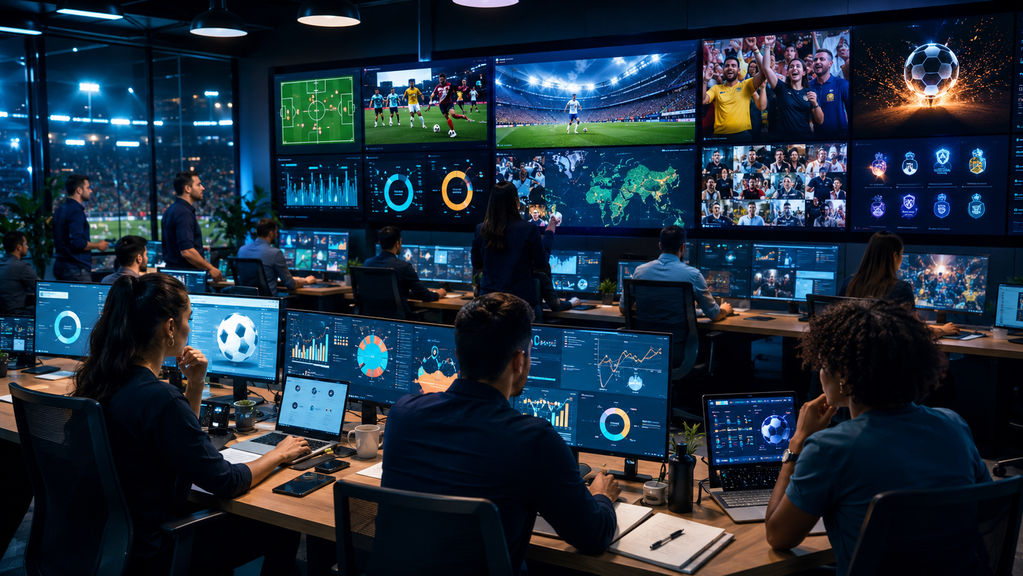
TikTok Pro Events is more than another social app attached to a tournament. The U.S. pilot, launched on June 3, 2026, turns the FIFA World Cup 2026 into a dedicated fan hub where users can watch creator-led coverage, complete event-based tasks, earn Stars, redeem rewards, and direct platform-funded donations through Feeding America. For sports brands, teams, broadcasters, event coordinators, and sponsors, the signal is clear: real-time fan campaigns are shifting from “post during the match” to “build a full participation loop around the event.”
That matters for SiteBob’s audience because sports promotion now depends on speed, timing, community behavior, and measurable digital action. A fan does not have to be inside a stadium to become part of the campaign. A brand can shape discovery before kickoff, conversation during the game, and loyalty after the final whistle if the content system is ready.
What TikTok Pro Events Actually Launched
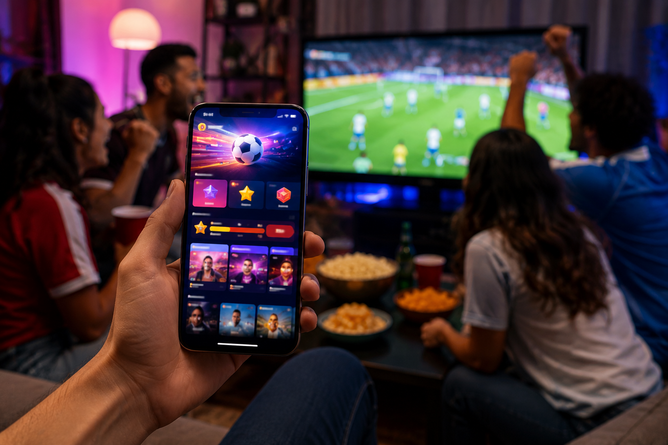
TikTok announced TikTok Pro Events as a standalone U.S. pilot built around major cultural moments, with the FIFA World Cup 2026 Fan Hub serving as the first test case. The platform said the experience lets U.S. users discover tournament content, explore trending videos, access curated creator feeds, and engage with broadcaster highlights in one dedicated space.
The key feature is participation. Users 18 and older can earn Stars by completing fan-based tasks such as searching for trending hashtags, visiting the FIFA World Cup 2026 hub, and sharing content. Those Stars can be redeemed for official FIFA World Cup 2026 merchandise, TikTok Shop coupons, or the chance to direct TikTok-funded charitable donations through Feeding America, according to TikTok’s Pro Events announcement.
For brands, this changes the campaign structure. Traditional social media marketing often asks fans to react after content appears. TikTok Pro Events shows a model where fans receive a series of actions that connect discovery, sharing, rewards, commerce, and social impact. That is closer to a loyalty mechanic than a regular campaign post.
The timing is significant. FIFA World Cup 2026 is taking place across Canada, Mexico, and the United States, with 48 teams, 104 matches, and 16 host cities listed on FIFA’s official World Cup schedule. A tournament of that size creates thousands of content moments, but it also creates a planning problem. Brands need systems that can react to match results, fan emotion, creator clips, local watch parties, sponsor activations, and post-match conversation without losing message control.
Why Real-Time Sports Campaigns Need More Than Hashtags
For years, sports marketers treated hashtags as the main bridge between live events and digital conversation. That still has value, but hashtags alone do not organize the fan journey. A supporter may see a clip, leave a comment, repost a reaction, and disappear. TikTok Pro Events points toward a different model: a dedicated environment where each action can move the fan deeper into the campaign.
That shift is especially useful for sports event coordinators. A local basketball tournament, soccer showcase, esports viewing party, or charity run may not have FIFA-level reach, but the strategy still applies. Fans respond better when they know what to do next. Watch this clip. Vote in this poll. Share this fan moment. Visit this event page. Claim this reward. Come back after the game for highlights.
SiteBob has already covered how content timing affects visibility before, during, and after sports events. That same structure applies here: a campaign should be built in phases, not treated as a single social push. A strong internal companion for this topic is SiteBob’s guide to sports event content timing, because TikTok Pro Events makes timing feel less like a posting calendar and more like a fan-behavior map.
The most useful lesson is that real-time marketing should not start in real time. The live moment only works if the brand has already prepared creative templates, approval rules, content roles, audience segments, reward ideas, and response paths. Without that system, the campaign becomes a scramble.
How Creator Correspondents Make The Fan Hub More Valuable
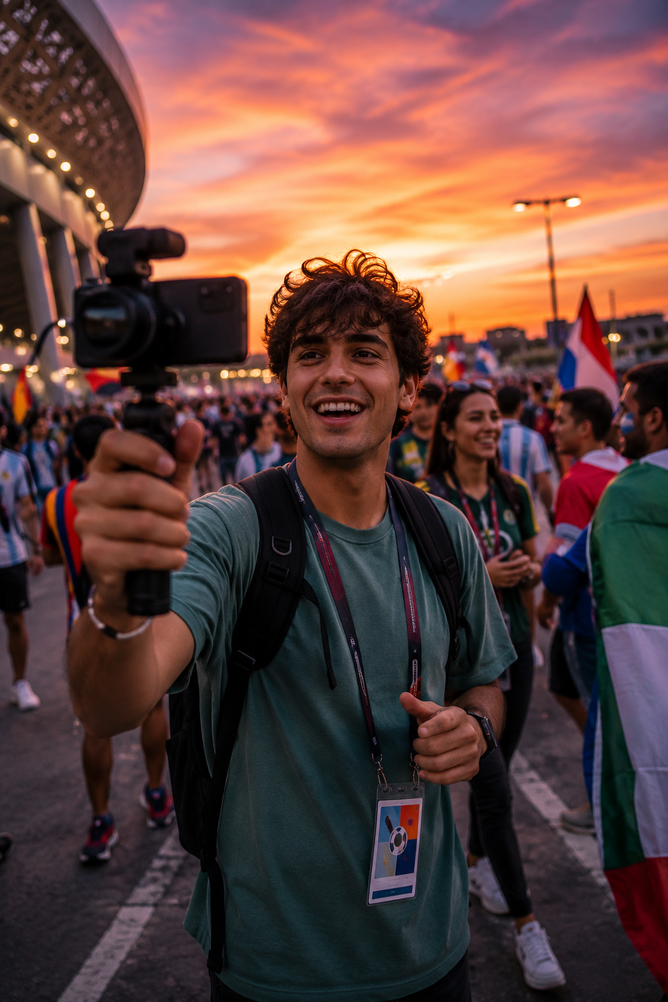
TikTok’s World Cup strategy does not stop with the Pro Events app. On May 13, 2026, TikTok and FIFA introduced the FIFA World Cup 2026 Creator Correspondents, a group of 30 global creators selected to provide behind-the-scenes access and fan-first storytelling throughout the tournament. TikTok said the group spans four continents, 11 countries, and 22 cities, connecting the tournament to creator communities instead of relying only on official broadcast moments.
That creator layer matters because live sports audiences are fragmented. Some fans follow national teams. Some follow players. Some follow fashion, travel, food, chants, stadium energy, or watch-party culture. A creator correspondent can translate the event into a personal point of view that feels closer to the audience than a polished brand asset.
Sports brands can learn from that structure. A campaign does not need one voice. It can use a network of trusted creators, athletes, local hosts, photographers, student ambassadors, podcasters, or fan-page operators. The goal is not to replace the official brand channel. The goal is to give fans multiple ways into the event.
TikTok and FIFA’s Creator Correspondents program also shows why behind-the-scenes storytelling has become a campaign asset. Fans do not only want match highlights. They want arrival videos, training-day atmosphere, city scenes, fan reactions, creator commentary, and emotional context. These moments can keep the campaign active between official game windows.
For sponsors, this creates a clearer path to relevance. Instead of forcing a logo into every post, a brand can sponsor useful content moments: travel tips, fan guides, snack breaks, outfit checks, creator challenges, post-match recaps, or community watch-party clips. The more natural the content feels, the more likely fans are to treat the sponsor as part of the experience rather than an interruption.
What Sports Brands Can Borrow From The Stars System
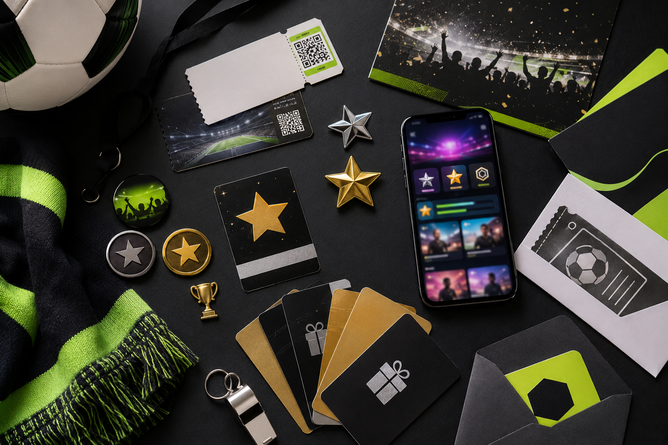
The Stars mechanic is the most practical part of TikTok Pro Events for sports marketers. It creates a simple exchange: fans take actions, and those actions unlock value. That value may be a coupon, merchandise access, charitable direction, or another fan benefit. The exact rewards may vary by platform, but the behavioral design is clear.
A smaller sports brand can adapt the same idea without building a new app. An event organizer could create a matchday engagement ladder using QR codes, social prompts, email signups, mobile landing pages, polls, loyalty points, or exclusive post-game content. The core idea is to connect fan action with fan recognition.
| Campaign Element | TikTok Pro Events Signal | Sports Brand Application |
|---|---|---|
| Fan Tasks | Search hashtags, visit hubs, share content | Ask fans to post reactions, vote, scan QR codes, or submit chants |
| Rewards | Merchandise, coupons, donation direction | Offer discounts, early access, VIP drawings, or community perks |
| Creator Feeds | Curated creator-led tournament coverage | Use local creators, athletes, hosts, and fan pages |
| Event Hub | Dedicated World Cup fan space | Build a landing page or social hub for one event series |
| Social Impact | Feeding America donation direction | Tie fan engagement to a local nonprofit or youth program |
The mistake would be copying the surface of the tactic without the structure. A reward system works only when the tasks are easy, the benefit is clear, and the brand can measure the result. Asking fans to do too much creates friction. Offering vague rewards weakens trust. Promising perks that never arrive damages the campaign more than doing nothing.
This is why sports marketers should define the goal before choosing the mechanic. If the goal is ticket sales, the campaign should lead to a ticket page. If the goal is community growth, it should collect subscribers or followers. If the goal is sponsor value, it should track impressions, engagement quality, redemptions, and content usage. If the goal is loyalty, it should bring fans back after the event.
Why The FIFA World Cup Is The Right Test Case
FIFA World Cup 2026 is one of the largest live-event environments available for a platform experiment. FIFA’s official tournament page lists the expanded format, host nations, groups, stadiums, fixtures, and match schedule, giving TikTok a long runway of content moments from opening day to the final.
The tournament also spans different types of fan behavior. Some users will follow every match. Others will engage only when their national team plays. Casual fans may enter through viral clips, player stories, fashion moments, celebrity sightings, creator reactions, or local fan festivals. A dedicated event app can gather those behaviors into one trackable environment.
For U.S. sports brands, this is especially relevant because the country is hosting major tournament activity across multiple markets. The U.S. host cities include Atlanta, Boston, Dallas, Houston, Kansas City, Los Angeles, Miami, New York/New Jersey, Philadelphia, San Francisco Bay Area, and Seattle. Each city creates opportunities for local activations, sponsor tie-ins, tourism content, watch parties, and venue-adjacent promotions.
TikTok’s broader FIFA relationship gives the Pro Events launch more weight. FIFA announced in January 2026 that TikTok became a Preferred Platform for FIFA World Cup 2026, with the partnership aimed at helping FIFA reach younger and female audiences while connecting live match discovery with fan engagement. FIFA described the agreement as a way to make the tournament more accessible through its Preferred Platform partnership.
That platform-level relationship matters for brands because it shows where sports media is moving. Broadcast rights still control live match distribution, but social platforms increasingly shape the surrounding conversation. The clips, creators, fan reactions, behind-the-scenes videos, and participation prompts can become the layer where many younger fans experience the event first.
What Smaller Sports Organizations Should Do Differently Now
TikTok Pro Events is built for a global tournament, but the lesson scales down. Smaller sports organizations do not need the same budget to use the same campaign logic. They need a clearer plan for how fans move from awareness to action.
A local sports promoter can start with a simple event hub. That could be a landing page with match schedules, ticket links, social prompts, sponsor offers, highlight clips, and email signup forms. The hub gives fans one place to go instead of scattering attention across disconnected posts.
Next, the campaign should divide content into phases. Pre-event content can introduce players, explain storylines, promote tickets, and invite fans to submit predictions. Live content can use short clips, polls, crowd reactions, sponsor prompts, and creator check-ins. Post-event content can turn highlights, player quotes, fan photos, and next-event offers into another engagement cycle.
Creator partnerships should be planned before the event. A small organizer might work with a student creator, local sports photographer, team parent, youth coach, podcast host, or community influencer. The point is to capture the event from more than one angle. A brand channel can announce. A creator can translate the energy.
Measurement should be simple but consistent. Track content reach, engagement rate, link clicks, email signups, coupon redemptions, ticket conversions, sponsor mentions, and return visits. For brands running recurring events, these metrics become a playbook for the next campaign.
Where Real-Time Fan Campaigns Go Next
TikTok Pro Events suggests that the next stage of sports marketing will be less about one viral post and more about organized participation. The sports brand that wins attention will not always be the one with the biggest budget. It may be the one that gives fans the clearest role in the moment.
That role can be simple. React to a goal. Vote on a player moment. Share a watch-party clip. Claim a local sponsor offer. Support a nonprofit. Follow a creator correspondent. Return after the game for highlights. Each action gives the fan a reason to stay connected.
The risk is overcomplication. Brands should avoid turning every campaign into a maze of tasks, points, pop-ups, and promotions. Fans are there for the sport first. The digital layer should support that emotion, not bury it.
For sports brands, TikTok Pro Events is a warning and an opportunity. The warning is that passive posting will feel weaker as platforms create richer event environments. The opportunity is that every event, even a local one, can be designed with a stronger fan loop: discovery, participation, reward, measurement, and return.
Sports marketers who build that loop now will be better prepared for the next major cultural moment, whether it is the World Cup, a championship weekend, a regional tournament, a high school rivalry game, or a fan festival built around a single matchday.