

The Paramount merger pause was more than a procedural setback for two major entertainment companies. Confirmed: on July 20, 2026, U.S. District Judge Araceli Martínez-Olguín issued a temporary restraining order pausing the $110–111 billion Paramount Skydance and Warner Bros. Discovery merger for 14 days after a coalition of 12 state attorneys general raised serious antitrust concerns, as reported by The Washington Post. For audiences, creators, exhibitors, and streaming rivals, the pause turned a corporate transaction into a test of how much cultural and distribution power one combined studio should hold.
Market-analysis: large media mergers are usually discussed through debt, valuation, and shareholder pressure. This one also sits inside a fan-engagement question. If two major libraries, theatrical pipelines, cable assets, and streaming services move under tighter control, the effects are not limited to balance sheets. They can shape which films reach theaters, how series are licensed, where fans find older franchises, and whether smaller distributors face harder terms in a crowded release calendar.
What The Paramount merger pause Changed
Confirmed Timeline And Legal Pressure
Confirmed: the initial 14-day pause did not end the dispute. On July 23, 2026, a judge ruled that the transaction pause would remain in place through August 17, 2026, giving regulators and the states more time before a decision on whether to grant a preliminary injunction, according to a Reuters report carried by Investing.com. As of September 3, 2026, that August date had passed, so the immediate temporary period should be discussed retrospectively, not as an upcoming hearing window.
Confirmed from the research record: court stipulations filed on July 24, 2026, said Paramount Skydance agreed to delay closing the transaction until either five days after the lawsuit’s merits were determined or by June 1, 2027, whichever came first. That detail changed the media industry reading of the case. The pause was no longer only a short interruption. It became a scheduling and strategy constraint that could affect integration planning, talent negotiations, licensing talks, and platform positioning for months.
Paramount merger pause And Release Power
Market-analysis: the central concern for film culture is release power. The research record says state attorneys general argued that the merger could substantially lessen competition in theatrical distribution, basic cable licensing, and related markets. That matters because studios do not only make films and series; they also control timing, marketing spend, franchise sequencing, windowing, and downstream licensing. Fans experience those choices as availability: what opens widely, what waits for streaming, what leaves a service, and what gets promoted heavily.
The Paramount merger pause also gave exhibitors a temporary space to assess the risk of a larger studio supplier. The research notes cite concerns that a combined company could gain stronger bargaining power over theaters. That claim should be treated carefully: it is an allegation inside an antitrust dispute, not a final judicial finding. Still, the cultural stakes are visible. If fewer suppliers control a larger share of high-profile releases, theaters may face tougher choices over screens, dates, and promotional commitments.
Why Fans Should Read This As A Distribution Story
Streaming Libraries Are Cultural Infrastructure
Market-analysis: streaming made library control a daily audience issue. A fan following a superhero catalog, a prestige drama, a reality franchise, or a classic film series often depends on licensing decisions that sit far from the viewer. A merger of this scale could alter those decisions if corporate leadership sought to consolidate rights, reduce outside licensing, or prioritize one owned platform. The research does not prove those outcomes would occur, so they should be framed as plausible industry concerns rather than confirmed effects.
This is where coverage of online video consumption becomes useful. Related media-consumption analysis at Internet Video Magazine offers insights into how platform behavior influences viewing habits. The same logic applies here: when ownership changes, distribution choices often change with it. Fans rarely see the contract language, but they notice when a show disappears, a film moves behind another subscription, or a franchise becomes less visible outside one corporate service.
Fandom Reaction Is About Access, Not Only Brand Loyalty
Opinion based on market evidence: fan reaction to consolidation is often misread as attachment to individual studio labels. The deeper issue is access. Viewers care whether the next installment arrives in theaters, whether older entries remain easy to find, whether animation or reality formats keep receiving investment, and whether niche titles survive after cost reviews. The Paramount merger pause gave fan communities a reason to watch legal filings because the case could influence those ordinary viewing questions.
The audience issue also connects to prior SiteBob analysis of audience choice in the merger delay. Antitrust disputes can sound remote, but they become concrete when a household is comparing subscriptions, a theater is negotiating screens, or a creator is trying to sell a project into a shrinking buyer pool.
Monetization Pressure Behind The Court Fight
Scale Is A Business Answer With Audience Costs
Market-analysis: the strategic case for media consolidation is familiar: bigger catalogs, broader franchises, more advertising inventory, combined back-office functions, and stronger negotiating positions with distributors. Those benefits can be attractive to companies facing streaming costs, cord-cutting, and uneven theatrical recovery. The legal challenge asked whether those corporate benefits would come at the expense of competition in markets that feed audience choice.
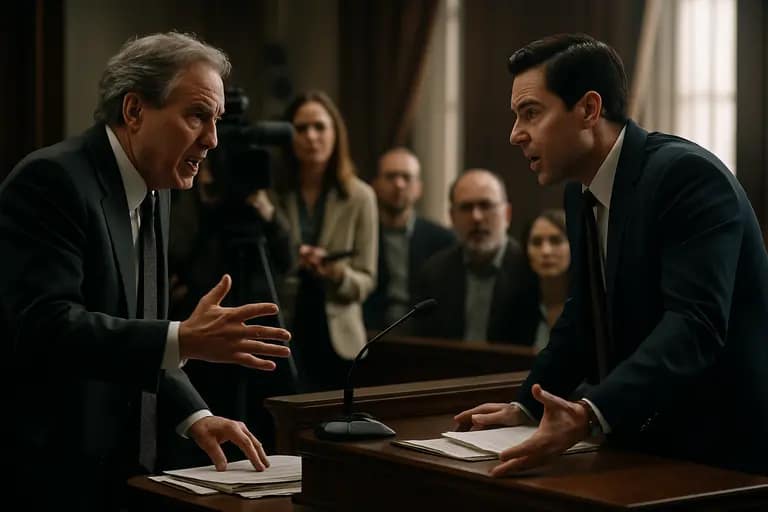
The Paramount merger pause therefore became a signal to other studios and platforms. Regulators and state officials were not treating media scale as automatically acceptable just because streaming competition is intense. That is a significant message for dealmakers. If a transaction combines film distribution, cable networks, streaming services, and franchise libraries, courts may demand a more precise account of how competition would remain healthy after closing.
Creators And Guilds Sit Near The Center
Confirmed from the research record: the legal actions included claims from the Writers Guild of America and several consumer groups, alongside the states’ lawsuit. The research record says those challengers alleged that the merger would reduce competition in key entertainment markets. Those claims remain allegations unless accepted by a court, but they show why creators paid attention. Fewer major buyers can mean fewer bidding environments for scripts, series packages, licensing deals, and long-term franchise work.
For writers, producers, independent distributors, and talent representatives, the most pressing question is not only whether a merged company would commission fewer projects. It is whether negotiation power shifts when buyers consolidate. Market-analysis: even the delay itself can affect behavior, because companies waiting on legal outcomes may slow certain planning, limit commitments, or avoid choices that could complicate integration. That does not mean every project is harmed, but uncertainty has a cost.
Paramount-Warner Legal Pause And Audience Power
What The Case Revealed About Media Control
Market-analysis: the case revealed a core tension in entertainment: companies seek scale to compete, while audiences and creators rely on competition to keep access, pricing, and creative opportunity from narrowing. The Paramount merger pause made that tension public. It put theatrical distribution, cable licensing, and streaming strategy into the same conversation instead of treating them as separate businesses.
The cultural implication is cautious but clear. A court pause does not prove that a merger is unlawful. It does show that regulators and state officials saw enough risk to slow the process and examine the competitive effects more closely. For fans, the practical question is whether future media ownership structures preserve real choice: choice in theaters, choice across streaming services, choice for creators selling projects, and choice for communities built around franchises and formats.
If the deal eventually proceeded under conditions, failed, or changed shape, the July and August 2026 legal record would still matter. It marked a point when media consolidation faced direct public scrutiny tied to audience access. That scrutiny may influence how the next major studio partnership is pitched, defended, and challenged. For an industry built on attention, trust, and recurring fandom, distribution power is never just corporate plumbing. It is part of how culture reaches people.


