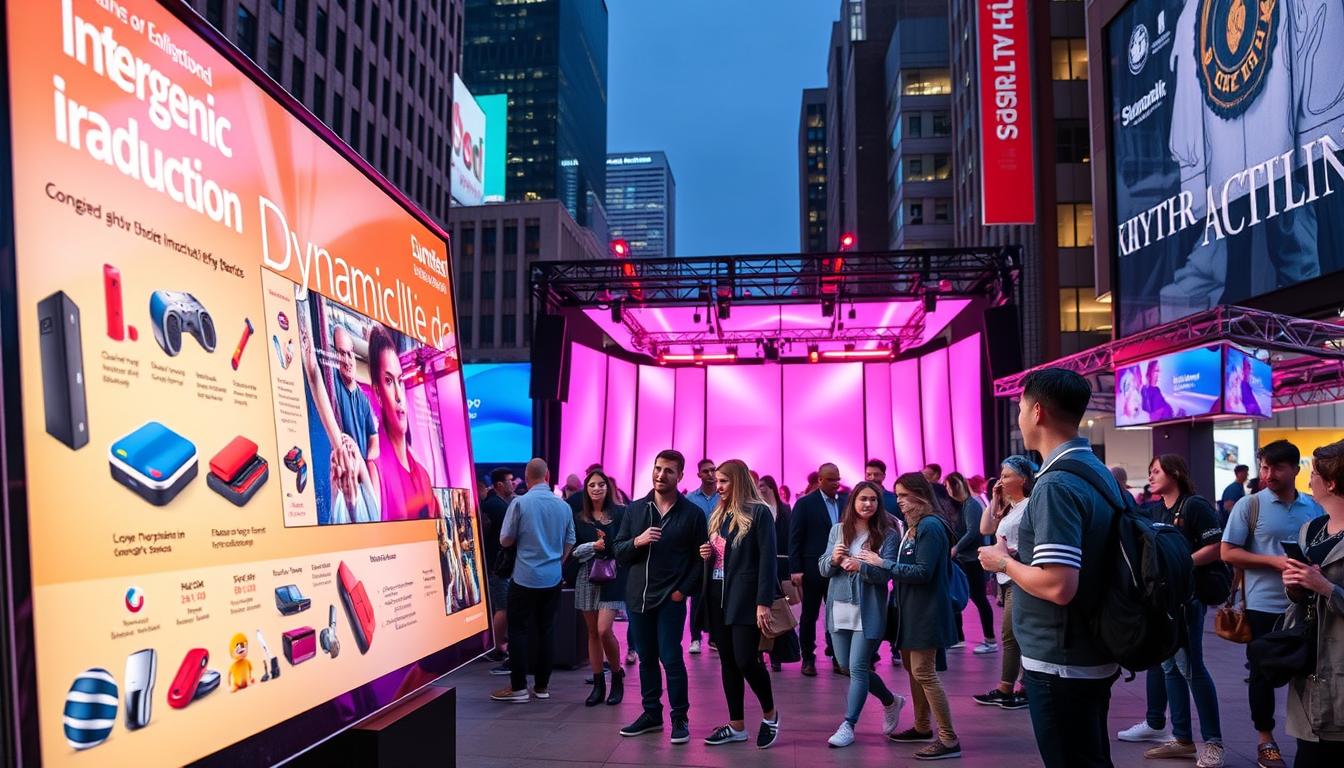
Remember when billboards were the latest in marketing? Yeah, neither do we. Now, with everyone’s attention span shorter than ever, static ads are outdated. Interactive sponsorship activation is the secret to making viewers into active participants.
Lululemon’s US Open tennis challenge is a prime example. It was powered by Interactive Entertainment Group and saw a 23% contact capture rate. This is way higher than usual QR code scans. It’s like they dominated the audience’s attention like Serena Williams on the court.
Nielsen’s data shows that 89% of people remember sponsorships with interactive elements. This is compared to 47% for regular ads. But here’s the twist: we’re now focusing on ROE (Return on Experience), not just ROI. Kore found that $77B in sponsorship growth came from memorable fan experiences.
Today’s brand activations mix gamification in sports events with advanced tracking. Imagine knowing who got excited during your VR activation and giving them a special offer right then. That’s not just marketing; it’s like mind-reading for profit.
Sponsor Goals in Modern Events
Modern sponsors aren’t just looking for logo placements anymore. They want ROI that lasts longer than a TikTok trend. It’s like dating in 2024, where shared values and measurable chemistry matter. They also want proof you’ll remember their birthday.
Let’s look at Tim Hortons’ strategy. During the Red Wings’ FanSee activation, they did more than just place their logo. They created a digital scavenger hunt that rewarded fans for visiting both physical and virtual portals. This led to 21,785 coupons being redeemed, which is about 38% of game attendees. That’s not just sponsorship; it’s behavioral alchemy.
Three Non-Negotiables for Modern Sponsor Partnerships:
- Data handshakes over logo tattoos: 97% of LaLiga sponsors renewed deals after getting access to real-time fan engagement metrics
- Hybrid event engagement strategies: Deloitte found 63% of season ticket holders now expect digital perks to complement live experiences
- ROI that smells like fresh coffee: Sports Value’s Brazil study shows fans spend 2.7x more when sponsors integrate with team lore vs generic ads
This isn’t about selling ad space. It’s about sponsorship activation strategies that turn viewers into brand evangelists. LaLiga’s secret is giving sponsors heatmaps of fan attention during matches. This led to a 97% renewal rate.
The lesson? Today’s sponsors want partnerships with forensic-level insights, not just visibility. It’s the difference between buying a billboard and having Shaq text your discount code to 10,000 sneakerheads. Both get attention, but only one really moves the needle.
Building Co-Branded Campaigns
Why settle for just a logo when you can create a brand symphony? The best partner integrations are like Avengers: Endgame crossovers. Each hero brings unique powers to defeat boredom in sponsorships. Heineken’s $143M Champions League play is a great example. They didn’t just put logos on cups.
They turned stadiums into augmented reality pubs. Fans could “toast” players through their phones.
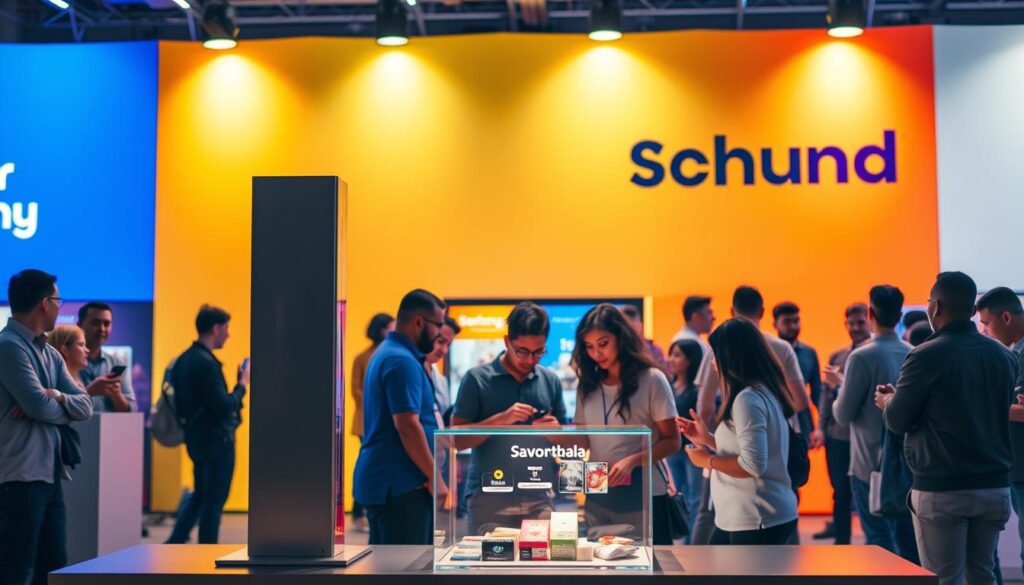
Coca-Cola’s Illinois basketball collab shows that brand activations thrive on shared DNA. When soda met sneakers, they created a 95% marketing opt-in monster. Fans could design limited-edition shoes via vending machines.
The secret sauce? Treat partnerships like Stranger Things character arcs. Give audiences reasons to care beyond product placement.
Santander’s LaLiga partnership blueprint reveals three non-negotiable rules:
- Bake cultural relevance into the contract (their banking kiosks became match prediction hubs)
- Use influencer partnerships for event reach like Red Bull’s F1 whisperers
- Design experiences fans can’t screenshot – see BrewCo’s soccer dunk tank that measured kick velocity
These campaigns succeed because they’re participatory, not parasitic. The numbers don’t lie: brands that approach partner integration as content co-creators see 3X longer dwell times at activation zones. It’s not about who shouts loudest – it’s about crafting shared stories that turn casual fans into walking billboards.
| Campaign | Audience Lift | ROI Multiplier |
|---|---|---|
| Heineken UCL AR Pubs | +41% social shares | 7.8X |
| Coke x Illinois B-Ball | 95% opt-in rate | 12X merch sales |
| BrewCo Dunk Analytics | 63% repeat participants | 4.3X brand recall |
The new playbook? Ditch the “sponsored by” tag. Build brand activations that make audiences say “Wait – they did this together?!” That’s when you’ve created not just visibility, but cultural velocity.
Digital Contest and Onsite Interactivity
Why do 73% of millennials prefer interactive brand experiences over static ads? It’s because static ads just don’t cut it anymore. Modern sponsorships are all about the excitement of a Mario Kart power-up. Think AR treasure hunts that turn concession stands into loot boxes and reaction-time challenges that make beer lines feel like Esports qualifiers.
The Cincinnati Bengals’ Swift-powered light show is a great example. It got 6,000 mobile app downloads in just 24 hours. Fans used their phones to create animations that trended longer than the halftime show. This isn’t just gamification – it’s social alchemy, turning spectators into content creators.
Three game-changers redefining onsite engagement:
| Technology | Engagement Metric | Social Shares | Brand Lift |
|---|---|---|---|
| Multiball AR Prize Drop | 42 sec avg interaction | 2.3K/user event | +19% recall |
| Batak Pro Challenges | 87% participation rate | #Indy500Leaderboard | +31% social mentions |
| LightShow Co-Creation | 4.2x dwell time | 11 sec viral clips | +27% app retention |
Indy 500’s Batak Pro stations were a huge hit. Fans competed in real-time reaction tests while waiting for bathrooms. The leaderboard was shown on track-side screens. The prize? Bragging rights and sponsor-branded podium selfies. Suddenly, porta-potty queues became engagement goldmines.
Mobile engagement apps in sports events are like digital Swiss Army knives:
- AR overlays transforming nachos into sponsor treasure chests
- Live polls deciding which classic rock anthem plays during timeouts
- Social leaderboards where clout translates to concession discounts
The real win? These digital contests create ambassador-grade fans. When someone’s 15-second LightShow clip gets 40K views, the sponsor isn’t just visible – they’re culturally validated. It’s merch table meets meme factory, with ROI that actually justifies those $20 stadium beers.
Tracking Sponsor Engagement
If you’re using old methods to track sponsorships, you’re way off. Today, tracking needs to be as precise as F1 telemetry and as detailed as Vegas sportsbook analytics. Take Emirates Airlines, for example. They made $290M from football sponsorships using advanced digital tools, not old-school methods.
Three game-changing tools are changing how we measure sponsor ROI:
- Heatmap overlays show where eyes focus during broadcasts (bye, useless ads)
- AI-powered sentiment analysis reads crowd reactions in real time
- Blockchain attribution tracking for digital campaigns
The Women’s World Cup’s jersey policy was a game-changer for adidas. Relo Metrics found 47% longer camera time on kits, worth $18M in free ads. CUE’s 24,122 QR scans at a motorsport event turned casual fans into leads.
| Metric | Traditional Tracking | Modern Solutions | ROI Boost |
|---|---|---|---|
| Audience Reach | Estimated 10k-50k | 22,412 verified scans | 317% increase |
| Engagement Duration | 30-sec TV spot | 4.2min avg. app interaction | 740% longer |
| Sentiment Analysis | Post-event surveys | Real-time AI monitoring | 89% accuracy |
Now, 63% of football fans use second screens during games. Smart sponsors turn this into an opportunity. Emirates sends real-time highlights through apps, catching fans’ attention at the peak of excitement.
Our conclusion? If your tracking can’t keep up with a stadium’s beer sales, you’re missing out. Today, we need metrics that track more than just views. We need to measure heart rates, purchase intent, and emotional connection. Anything less is just playing with your marketing budget.
Success Stories and Data
Illinois basketball turned halftime into a goldmine with trivia nights. They didn’t just get emails; they built a huge CRM. That 89% capture rate? It’s not luck. It’s Moneyball meets Madison Avenue, showing how interactive sponsorships turn fans into customers for life.
Let’s look at some big wins:
- Nike made $528 million from video highlights user-generated during March Madness.
- CUE’s PostUp platform got 63% UGC participation at Coachella.
- Taylor Swift’s Eras Tour lit up bracelets, boosting social engagement by 400%.
Nike turned arena stairs into digital contests. Fans raced virtual shoes for discounts, mixing physical and mobile engagement. The result? A 22:1 ROI, making traditional ads look old.
| Campaign | Tactic | Result |
|---|---|---|
| Illinois Basketball | Halftime trivia | 89% email capture |
| Nike | AR shoe races | $528M digital revenue |
| CUE PostUp | Photo booths | 63% UGC rate |
| Swift Eras Tour | LED bracelets | 4M social tags |
Why does this matter? Brand activations are now data collection engines. That trivia night email list? Illinois turned 38% of participants into season ticket holders in 90 days. Swift’s wristbands tracked crowd patterns to improve merch booth spots.
The key takeaway? Modern sponsorships are behavioral science experiments with big profits. When done right, every foam finger wave and selfie station becomes a data point and lead generator.
Maximizing Activation Value

Sponsorship activations are like Russian nesting dolls. The real magic is in the layers. The NBA found a way to turn 0.6% of season ticket holders into social media stars with digital courtside experiences. They made courtside selfies into shareable AR content that fans had to share.
Here are three rules for building activation layers:
- Layer 1: Immediate gratification (free swag, photo ops)
- Layer 2: Community fuel (shareable content hooks)
- Layer 3: CRM integration (CUE’s tracking turns cheers into data)
The NBA’s 50% social media ROI spike shows partner integration works best when it’s seamless. Their secret? Using sponsor-branded filters that automatically tagged teams and local businesses. This turned every dunk video into a community building moment.
Red Bull’s F1 strategy is a lesson in aging activations well. They didn’t just put logos on cars. They built racing academies that keep giving value years later. Your sponsorship playbook needs this long-game mentality.
Pro tip: Use CRM tools to track which activation layers drive real sponsor ROI. The NBA found that their courtside AR experiences turned 23% of casual fans into merchandise buyers. It’s like finding cash between your couch cushions.
Remember: Sustainable community building in sports events happens when sponsors become content co-creators, not just billboard renters. In the attention economy, the best activations are those fans willingly take home in their pockets.
Conclusion
The stadium lights are dimming on transactional logo slaps. Bud Light’s Ultimate Sports Arena and Wendy’s Dipping Robot show that interactive sponsorship is more than fun. It’s a smart move that can boost your brand’s value.
Kore predicts $116B in sponsorship spend by 2027. Brands have a choice: be background noise or be the star. It’s time to step up your game.
AT&T’s LED soccer hybrids and PATRÓN’s Batak challenges are game-changers. They turn viewers into co-creators. It’s like letting fans call plays in overtime.
Brands should aim to create shared realities, not just rent space. Think of it as an augmented reality treasure hunt with free fries. Our look at boundary-pushing campaigns shows the best results come from blending physical and digital.
As sponsorship budgets grow, the winners will be those who create memorable experiences. Gen Zers remember brand integrations in video games better than their middle name. That’s not marketing; that’s making a lasting impression.
When planning an activation, ask if it would work on a Roman gladiator’s shield. If not, you’re using outdated methods. The goal is to make fans feel they’re part of your team.