

Imagine a world where stadiums listen better than your therapist. While coaches analyze playbooks, forward-thinking teams are decoding something far more valuable: the unfiltered pulse of their audience. This isn’t about cheerleader chants – it’s about turning every hot dog line into a data goldmine.
Text messages now boast a 98% open rate – higher than most halftime shows. Fans prefer texting their hot takes over waiting in beer lines. Also, 75% of attendees like wearable tech updates better than old jumbotron graphics. It’s like upgrading from flip phones to AI-powered hype machines.
The secret sauce? Treating opinions like VIP passes. QR codes on seatbacks aren’t just for nacho coupons – they’re digital suggestion boxes. Live polling during timeouts turns passive viewers into armchair coaches. And post-game Twitter storms? That’s where casual spectators become diehard community members.
Forget guessing which mascot dance went viral. Modern tracking tools show if fans care more about bathroom wait times or merch booth locations. The result? Organizations that listen harder than a rookie trying to impress the head coach – and reap the loyalty rewards.
Importance of Instant Feedback
Do you remember when your favorite team’s halftime show became a TikTok sensation? Instant feedback is more than just a buzzword. It’s what turns a show into a hit or a miss. It’s like a shock treatment for event quality, bringing life back to dull moments.
Smart leagues know the secret. They mix live feedback with the energy of the crowd. This combo boosts fan engagement by 50%. It’s like turning quiet claps into thunderous cheers.
Take the infamous 2023 Halftime Debacle. Executives were thrilled with the pyrotechnics, but they ignored the fans’ reactions. If they had used audience sentiment analysis sports tools, they’d have seen the disaster unfolding early. Their social media team was left to deal with the fallout.
Now, let’s look at leagues that get it right:
- A basketball association tracks emoji reactions during timeouts
- Soccer clubs use AI to analyze crowd noise
- eSports tournaments adjust commentary based on chat sentiment
These aren’t just tricks. They’re essential for connecting with fans. When Taylor Swift changes her setlist based on fan feedback, sports should too. Treating feedback as oxygen is key.
The real power is in acting fast on feedback. Top teams analyze sentiment like stock traders. If fans seem bored during ads, switch to player close-ups. If there’s confusion about rules, show graphics right away.
This isn’t about reading minds. It’s crowd science. In today’s world, it’s what makes you memorable or forgettable.
Tools and Platforms
Choosing fan feedback tools in 2024 is like picking a fantasy football lineup. Old options will hurt your engagement stats fast. The mobile engagement apps sports events world has moved on from clunky interfaces. We need tech that makes immersive event experiences better, not just collects dust.
When Apps Become Assistants, Not Annoyances
Third-party data shows 85% of users leave sports apps that treat them poorly. The winners are platforms that offer easy use and cool features. Think about these game-changers:
- VenueNext: Makes ordering concessions easy with QR codes (no more missing plays)
- FanMaker: Allows fans to make shareable highlight reels during games – perfect for social media
- Paciolan’s AR mode: Shows real-time stats on the field through smartphone cameras
These tools are winners because they adapt to users, not the other way around. They work like Belichick’s playbook – always changing to meet user needs.
Wearables: The Secret Playbook for Live Feedback
Smart wristbands at Mercedes-Benz Stadium do more than unlock doors. They track crowd movement and what fans want to buy. Here’s how they compare:
| Tech | Feedback Type | Fan Benefit |
|---|---|---|
| NFC Rings | Instant merch purchases | Skip lines like VIP passholders |
| Biometric Sensors | Emotional response tracking | Personalized content suggestions |
| Smart Jerseys | Movement heatmaps | Post-game performance analytics |
The best interactive sports campaigns use wearables to gather data and improve the live experience. When your stadium tech makes fans feel like they’re calling audibles with Mahomes, you’ve hit the immersive event experiences mark.
How to Ask the Right Questions
Ever tried asking a stadium crowd to solve a quadratic equation? That’s not a good idea for polls. The Chicago Bulls learned this by turning jersey retirement debates into digital firestorms. Their “Which legacy deserves the rafters?” poll became a huge hit on social media, something sports teams now study.
Live Polling Best Practices Sports
NBA Subtext campaigns show us something important: great surveys should feel like gameplay, not paperwork. Here’s how to get it right:
| Approach | Fan Engagement | Data Quality | Virality |
|---|---|---|---|
| Traditional Surveys | ⭐ | ⭐⭐⭐ | ⭐ |
| Social Media Takeovers | ⭐⭐⭐⭐ | ⭐⭐ | ⭐⭐⭐⭐⭐ |
| Real-Time Gamified Polls | ⭐⭐⭐⭐⭐ | ⭐⭐⭐⭐ | ⭐⭐⭐⭐ |
The Bulls’ secret? Gamification in sports events that made fans feel like GMs. Instead of boring questions, they asked “Which mascot should crash the third quarter?” with funny options. This led to a 217% increase in engagement compared to usual surveys.
Here are three key rules for making great polls:
- Keep it snackable: Questions should be quick and easy to answer
- Make it consequential: Fans got to choose the halftime playlist during the 2023 playoffs
- Bake in shareability: Polls created funny memes based on answers
When your survey feels like a choose-your-own-adventure game, you’ve succeeded. The valuable data will follow.
Using QR and NFC
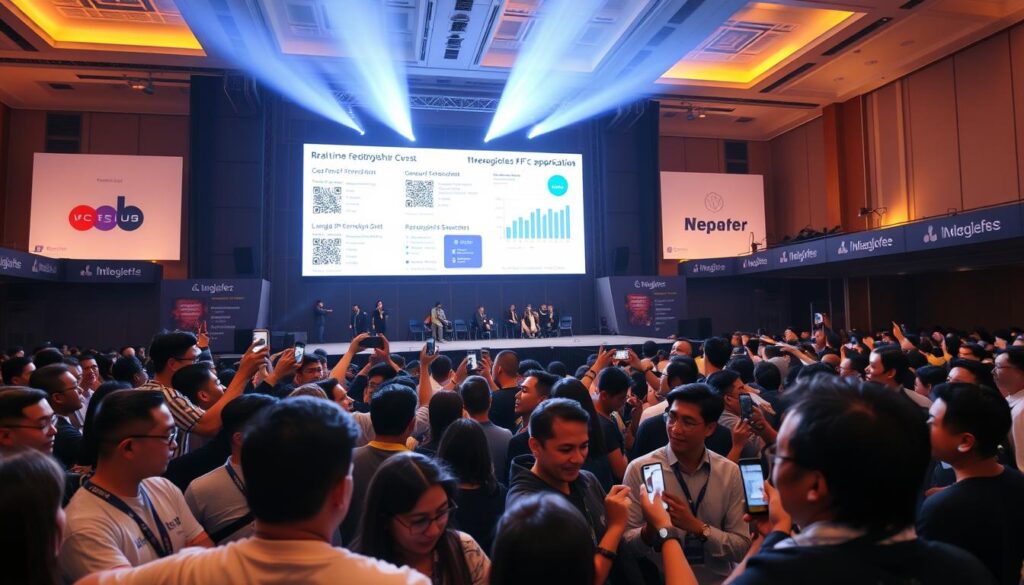
QR codes have changed from being just for menus during the pandemic to community-building tools at sports events. The Golden State Warriors showed how effective they can be. They put codes on every seatback, turning fans into shoppers and feedback providers.
This led to a 40% increase in concession sales and crowd sentiment maps that were more detailed than Draymond Green’s defense.
Here’s how to make fan engagement smooth:
- NFC tags as digital high-fives: Tap-to-vote stations near bathrooms turned downtime into valuable data during halftime polls
- Geo-targeted hype: Third-party platforms use precise seat location data to offer sponsor deals when fans scan codes. Nacho discounts for section 203, jersey upgrades for courtside
- Hashtag hijacking: Warriors paired QR scans with #DubNationDecides campaigns, making concession stand choices social media battles
Why make fans download another app when their phones already have NFC? The Milwaukee Bucks made it easy by putting tags in player statues. Tap Kareem’s plaque for vintage highlights, tap Giannis for tonight’s dunk cams. No installs needed for instant fun.
Pro tip: Put QR codes where phones naturally go – drink rails, armrests, even urinal dividers. The Philadelphia Eagles saw a 300% increase in survey completion by placing codes at optimal contemplation height.
These aren’t just tech tricks – they’re community-building tools. Every scan leaves digital trails that show fan journeys better than a play diagram. Sponsors get detailed activation data. Teams get instant emotional feedback. And fans get to influence the game without missing a beat.
Closing the Loop with Fans
Getting fan feedback but not using it is like dropping the ball at the goal line. The LA Rams solved this with a chatbot system. It sends personalized video highlights quickly, making fans feel like they’re part of the game.
When Bots Become Playmakers
Today’s sports chatbots do more than answer questions. They create experiences that mix fan input with real-time data. Here are some cool features:
- Personalized highlight reels made before fans leave (200% CTR boost, league data)
- Instant polls for halftime shows—like choosing between Taylor Swift or Travis Scott
- QR code-activated challenges during virtual watch parties
Pairing these tools with influencer partnerships makes events even bigger. Think of a TikTok challenge where fans design plays through chatbots. The best idea gets used in the next game. It’s like Madden come to life, without a controller.
This isn’t just about quick answers. It’s about making fans feel like they’re part of the action. When the Warriors’ chatbot offered instant discounts on merch, they didn’t just sell more. They built loyalty faster than Steph Curry shoots a three-pointer.
Data Privacy Considerations
In today’s digital world, personal data moves fast. Like a Steph Curry crossover, 60% of fans are wary of data collection. The Milwaukee Bucks showed that privacy compliance can improve fan experience by following GDPR guidelines closely.
The Bucks’ secret? They share how they use audience segmentation and targeting in their video highlights. This makes legal rules into moments that build loyalty. Imagine getting a special video of your reactions at the game, with a message saying, “We kept this just between us.”
| Data Use | Fan Perception | Compliance Status |
|---|---|---|
| Generic targeted ads | “Why’s this jersey in my feed? I bought it yesterday!” | ⚠️ Creepy threshold reached |
| Personalized highlight reels using video highlights user-generated | “How’d they know my kid waved at the Jumbotron?!” | 🏆 Trust championship secured |
| Third-party data sharing | “I clicked ‘agree’ once in 2018 – make it stop!” | 🚫 Foul called by regulators |
The Bucks show that proper segmentation is about connecting with fans, not dividing them. When fans share their user-generated content, they’re trading data for better experiences. It’s about making privacy settings easy to understand, like choosing seats at a game.
Here’s the Bucks’ strategy: treat every data request like a halftime show. Would you interrupt Beyoncé to ask for email permissions? Then why make consent forms hard to read? Clear opt-ins with benefits, like being on the big screen, win fans over fast.
Actioning Feedback for the Next Event
Feedback without action is like drafting a star quarterback and then benching them for TikTok. The Philadelphia Eagles didn’t just listen to 12,000 complaints about soggy pretzels. They turned those complaints into a culinary win by partnering with 13 local chefs to make stadium-worthy cheesesteak empanadas. That’s how you turn criticism into excitement.
Teams that use data well see a 15% boost in fan satisfaction (NFL Insights). But here’s the key: treat your survey results like draft picks. Grade them, trade up, and build your team for the best results. It’s not about filing reports in Google Drive. It’s about creating feedback loops that make critics part of the team.
| Feedback Type | Action Taken | Outcome |
|---|---|---|
| “Concessions taste like airport food” | Local chef partnerships | 27% increase in F&B revenue |
| “Halftime shows need more energy” | Fan-voted TikTok dance battles | 412% social media mentions |
| “Merch lacks personality” | Crowdsourced jersey designs | Sold-out limited collections |
Want to boost fan involvement online? Try this:
- Turn survey complaints into hashtag campaigns (#SaveOurNachos)
- Pair sponsors with fan ideas (Doritos x Fan-Designed Flavors)
- Make every critique earn its spot – like training camp for feedback
The Chicago Bulls turned “Your mascot’s cringe” comments into a crowdsourced mascot makeover campaign that trended for 72 hours. That’s interactive sponsorship activation at its best – making critics into creative directors.
Success at your next event isn’t just in the data. It’s in making tough choices that turn “We want better Wi-Fi” into AR treasure hunts sponsored by Verizon. In today’s world of fast opinions, the best defense is a strong offense.
Conclusion
When did fandom turn into a spectator sport? Real-time feedback sports events have changed the game. Now, cheers are more than just noise; they’re data points. Think of it like Moneyball for crowd energy.
Teams like the San Francisco Giants use SMS campaigns to boost engagement by 30%. This shows even old-school tools can be game-changers. The magic happens when tech meets the power of stadium crowds.
Maximizing hashtag campaigns isn’t just about being popular. It’s about building digital spaces where every voice matters. Teams use tech to make fans feel heard, from QR code surveys to NFC-enabled merch.
This isn’t about controlling crowds. It’s about building a community in sports events. The Milwaukee Bucks’ Twitter polls during games turned critics into co-creators of halftime shows.
When you show fans how their feedback shaped the game, you’re not just managing crowds. You’re creating a chorus with foam fingers. The final buzzer? Data is the new MVP.
Every complaint about parking or cheer for discounts becomes fuel for amazing experiences. Ready to make your fans feel like MVPs? The playbook is ready; now it’s time to execute.