

Imagine a stadium assistant that never sleeps, speaks 20 languages, and remembers every sports stat. Welcome to the Moneyball era of fan engagement. Digital assistants are changing the game faster than anyone can say “touchdown.”
The Premier League teamed up with Microsoft. They’re not just looking for talent. They’re also investing in personalized AI companions for tasks like ticket sales. These tools don’t just chat; they analyze everything from jersey sales to concession stand rushes.
With the sports market expected to reach $623 billion by 2027, teams are using interactive sports campaigns to engage fans. Imagine halftime shows where your phone is a real-time draft war room. Or loyalty programs that change as fast as a Steph Curry three-pointer.
The key is tracking audience engagement tools that measure everything. It’s not about replacing human connection. It’s about creating digital hype men to help your marketing team.
What Chatbots Can Do
Modern sports chatbots are like the ultimate fan engagement tools. They come with predictive analytics and a dash of charm. No more boring FAQ answers. Today, AI assistants are like LeBron James, doing it all in real-time.
- Real-time myth-busting: They settle debates fast, like Skip Bayless changes his mind. Chatbots use stats, footage, and reports to make their points clear.
- Contextual commerce: If a fan is watching their third game, the bot suggests knee braces and protein shakes. New fans get simple explanations, like a TikTok dance.
- Fatigue forecasting: Chatbots predict fan frustration levels, like NFL wearables. If there are too many penalty flags, they offer discounts before the boos start.
Wimbledon’s AI makes match predictions as accurate as Federer’s forehand. Smart replies handle everything from rain delays to “Where’s the champagne tent?” queries. This creates a 360-degree experience that turns casual viewers into die-hard fans.
These bots don’t just track engagement; they use it to their advantage. Every click, answer, and replay request sharpens their algorithms. Your interactive sports campaigns aren’t just selling jerseys; they’re mapping fan DNA.
Building a Chatbot Workflow for Sports
Creating a sports chatbot is more than coding. It’s about crafting fan experiences like a pro coach. Imagine a playbook for every fan interaction, from buying tickets to discussing games. The aim is to maximize fan involvement online in a natural way.

MLS Sidekick is a great example. It didn’t just sell tickets; it analyzed fan behavior like a pro. If you watched LAFC highlight reels, it offered promo codes quickly. LaLiga’s Beyond Stats tool turns data into fun trivia for fans.
Chatbots are not just for game days. They’re always on, like a non-stop tailgate party. They offer pre-game polls, live streams, and post-game sales. It’s all about creating excitement that rivals HBO.
Pro tip: Your chatbot shines when it connects fans in the stadium with those watching at home. Imagine getting AR replays at the game while remote viewers control LED lights. It’s not science fiction; it’s the power of a well-run chatbot.
And that “24/7 availability” promise? It’s not just for night owls. It’s about keeping your business running smoothly. During March Madness, your chatbot becomes a merch hype machine, working hard without extra pay. That’s a slam dunk for your bottom line.
Customizing Conversation Per Event Type
Imagine a chatbot that talks Super Bowl smack but serves Wimbledon wit. Why should event bots have more personality than their fans? The secret is cultural code-switching. A March Madness bot needs the chaotic energy of a buzzer-beater, while a World Series assistant should crack dad jokes about seventh-inning stretches.
The NBA’s injury prediction models are more than medical algorithms – they’re narrative engines. When a Warriors chatbot warns fans about a star player’s hamstring, it does so with the dramatic flair of a sports radio hot take. Adidas’ miCoach smart ball integration turns soccer chatbots into taunt-worthy banter between rival supporters. That’s gamification in sports events wearing cleats instead of lab coats.
| Event Type | Chatbot Personality | Gamification Feature | Community Tactic |
|---|---|---|---|
| Super Bowl | Trash-talking hype machine | Prediction polls with meme rewards | Tailgate recipe exchanges |
| Wimbledon | Posh tea-time commentator | Virtual strawberry counters | All-white outfit selfie contests |
| NBA Finals | Streetball poet | Dunk meter mini-games | Hashtag rap battles |
| MLS Matches | Chant-leading ultra | Supporter badge tiers | Tifo design crowdsourcing |
The real magic happens in audience sentiment analysis sports platforms don’t track. Reddit threads about the Warriors’ VR tours reveal fans want inside jokes, not just replays. Those “Easter eggs” – like a chatbot referencing Draymond Green’s podcast rants – create thicker bonds than any loyalty program. It’s community building in sports events through digital anthropology.
Why does this matter? A generic sports bot is like serving ballpark nachos at Centre Court. Fans crave context-specific flavors – the verbal equivalent of a Fenway Frank vs. a Dodger Dog. When chatbots speak the local dialect, they don’t just inform crowds. They create them.
Real Life Performance Metrics
When your chatbot’s engagement metrics are as high as Patrick Mahomes’ career passer rating (113.2), it’s time to look beyond just “messages sent.” We’re talking about hybrid event engagement strategies that mix physical excitement with digital data. For example, the Golden State Warriors’ AR integrations saw a 73% spike in fan participation during playoff games. That’s impressive for a team that already has real-world championships.
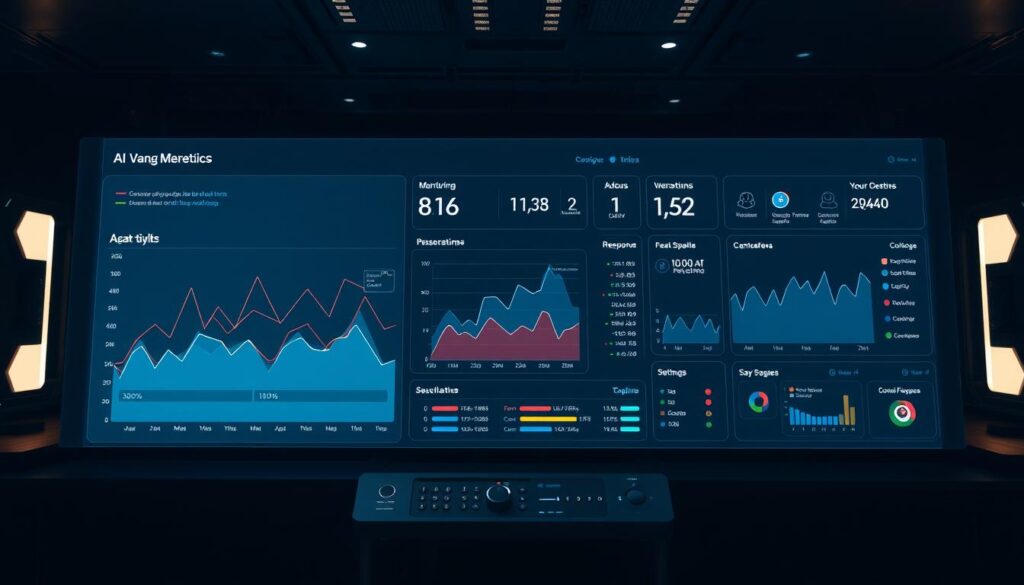
The sports AI market is growing fast, with a 28.8% CAGR. This growth is thanks to real-time feedback sports events systems that:
- Convert 42% of halftime chatbot users to second-half merchandise buyers (MLB’s video AI tech)
- Reduce customer service calls by 68% during peak game hours (NBA mobile app data)
- Generate 19% more concession sales through location-based push notifications
Tom Brady might not tell you, but the real MVP is your data pipeline. Most teams treat fan interactions like baseball cards, just for fun. But when you link mobile engagement apps sports events to CRM systems? That “fun AR filter” becomes a lead generator, scoring email signups faster than Tyreek Hill runs the 40-yard dash.
Our favorite stat? Teams using AI messaging for real-time merchandise drops see 31% higher conversion rates than standard promo emails. It’s like throwing a Hail Mary pass… and catching it in the end zone.
Integration Tips
Think of AI integration like assembling a championship roster – you’re not benching your star players (your social team), you’re giving them cyborg-level upgrades. The Olympics’ AI highlight bots didn’t replace editors; they became their caffeine-powered sidekicks, slicing 10,000 hours of footage into viral gold faster than Simone Biles sticks a landing.
Here’s the playbook: blend influencer partnerships for event reach with AI that anticipates fan cravings. Microsoft Azure’s Premier League integration proved this – their bots served real-time stats during social media takeovers sports events, turning casual viewers into fantasy league generals. Pro tip? Deploy smart replies that meme better than your hungover intern. LaLiga’s chatbot once roasted a fan’s terrible prediction with a GIF of a crying bald eagle – engagement soared 140%.
For virtual watch parties, layer AI like nacho cheese on a stadium pretzel:
- Use highlight algorithms to auto-generate hype reels during timeouts
- Let bots handle ticket upgrades while influencers live-react to plays
- Program smart replies that reference both game stats and trending TikTok sounds
Remember Tokyo’s AI-curated swimming highlights? That same tech can power your influencer partnerships for event reach – imagine Draymond Green narrating AI-generated blooper reels that drop mid-game. The goal? Create experiences so sticky, fans forget they’re not actually spilling beer on their couch.
Ethical/Privacy
Handling fan data ethics is way tougher than VAR controversies. We’re at halftime in the “personalization vs. creepiness” battle. Automated engagement tools might turn into digital thieves in sports. Think about the NBA’s biometric data issue. Fans were upset when their “emotional stats” were used like draft picks.
- Audience segmentation and targeting should not be like FBI profiling
- GDPR compliance is a must – it’s like the new stadium safety rule
- Biometric data needs more protection than the Stanley Cup
For live polling in sports, always ask like you’re asking for a dance, not a data grab. The latest privacy rules say treat fan data like autograph seekers – eager but polite.
Pro Tip: Your automated engagement system needs more ways for fans to opt out than a stadium has bathrooms. This is because nothing kills community building in sports events faster than fans feeling like lab rats in foam fingers.
Final whistle: Ethical AI in sports should be like a digital chaperone, not a paparazzo. Get it right, and fans will cheer louder than after a buzzer-beater three-pointer.
Pitfalls to Avoid
Even Hall of Fame quarterbacks throw pick-sixes – chatbot fails can be just as bad for fan engagement. Let’s look at the digital version of “icing your own kicker” moments in AI sports tech. Here, overeager algorithms can create awkward interactions quicker than a rookie linebacker can commit false starts.
The Premier League’s content verification system is a great example of how to avoid mistakes. They have a three-layered system to check video highlights and user content. This stops more fake news than a VAR booth in a World Cup final. On the other hand, the 2022 Champions League chatbot made a big mistake by saying “offside trap” was a “furniture store discount” in Portuguese updates.
| Pitfall | Consequence | Smart Play |
|---|---|---|
| Unverified UGC Integration | Spread misinformation faster than a viral touchdown dance | Premier League’s triple-source validation |
| Overpromising Wearable Data | NFL’s 2023 fan backlash over restricted biometric access | Clear opt-in protocols like NBA’s AR jersey system |
| Cultural Tone Deafness | MLS chatbot confusing Cascadia rivalry with actual warfare | Localized humor filters tested by native speakers |
Adding sponsors to events needs to be done carefully. The NFL’s interactive sponsorship activation mistake in 2023’s London games is a lesson. A beer-brand chatbot kept suggesting pubs that were closed during COVID. This shows why using real-time data is important.
Smart teams use several checks:
- Geo-fenced venue databases updated hourly
- Sponsor content approval workflows with 15-minute SLAs
- Fallback human moderators during peak traffic
For immersive event experiences, remember that sometimes less tech is better. The NBA’s AR jersey system works because it adds to the game, not takes away. Unlike the NHL chatbot that tried to explain icing calls with dance animations.
Conclusion
The stadium lights are dimming on reactive fandom. Imagine smart jerseys buzzing with VAR decisions before fans see replays. Or AI messaging systems predicting halftime substitutions based on live biometric data.
The International Olympic Committee’s blueprint for the 2026 Winter Games already includes neural networks. These networks adjust venue temperatures based on real-time feedback from athletes’ wearables. This is a preview of how real-time feedback sports events will operate.
Maximizing hashtag campaigns now means more than slapping #SuperBowl on tweets. Picture AI coordinating synchronized virtual watch party setups. Fans in Tokyo can debate calls with spectators in Dallas through translated chatbots.
DraftKings’ latest fantasy sports integration trends show algorithms outperforming 78% of human players in roster selections. This proves machines draft better than your uncle’s “gut feeling” at Thanksgiving.
The Yankees didn’t build Monument Park by bunting every inning. Sports orgs must choose: Will you deploy AI messaging that turns casual viewers into data-armed superfans? Or become the Marlins of your league – all promise, no code?
The playbook’s written. Time to execute.