
Streaming consolidation is no longer only a boardroom story about scale. For independent creators, it is becoming a market structure story about who controls placement, viewer data, advertising access, and the discovery paths that connect niche work to fans. The confirmed deals and regulatory language available in 2026 do not prove that independent creators have already been shut out. They do show why the risk has become harder to dismiss.
This is a market-analysis reading, not a claim that every merged company will disadvantage smaller producers. The concern is more specific: when a media owner also controls a major distribution surface, the independent creator’s relationship with audiences can become more dependent on rules set by a smaller number of firms. That matters culturally because independent video, music, commentary, and fan-led media often grow through discovery before they grow through contracts.
What Streaming Consolidation Changes For Indies
Confirmed Deal Activity And Platform Control
The clearest 2026 signal came from the proposed Fox-Roku transaction. S&P Global Market Intelligence reported that Fox’s planned $22 billion Roku deal would combine Fox’s sports, news, and entertainment assets with Roku’s connected-TV platform, including an installed base tied to more than 100 million global streaming households, with ad growth and connected TV at the center of the strategy S&P Global reported. That is a confirmed business fact, and it gives the independent sector a reason to pay attention.
For creators, connected TV is not just another screen. It is a living-room discovery layer. A filmmaker with a FAST channel, a comedy collective with a library, a local sports producer, or an independent news creator may depend on platform search, app placement, channel-store visibility, ad sales access, and recommendation surfaces. If a platform owner also owns major content brands, creators and rivals can reasonably ask how neutral those surfaces will remain.
Streaming Consolidation And The Gatekeeper Question
The gatekeeper concern is not new, but connected TV changes its cultural weight. In earlier web-video periods, a creator could often frame platform risk as a matter of algorithmic volatility. In a more consolidated streaming market, the concern expands to distribution priority, advertising packaging, data access, and whether independent channels can still reach casual viewers who are not searching for them by name.
The central concern is not that streaming consolidation automatically blocks independent work. The issue is whether merged firms can make small placement decisions that compound over time. A less prominent tile, weaker search return, limited promotion in a channel store, or reduced access to premium ad demand can reduce the chance that a new audience finds a creator. None of those choices has to look dramatic to affect fan growth.
Regulators See Competition, But Not Always Creator Substitution
What The Paramount-Skydance And Warner Bros. Discovery Review Suggests
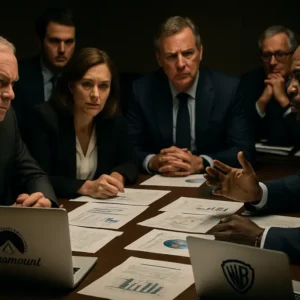
Regulatory language around other large media deals also matters. In April 2026, the Justice Department said the Paramount Skydance merger with Warner Bros. Discovery would not harm competition or consumers, according to an Associated Press report on the DOJ position the AP reported. The research record also notes that platforms such as YouTube and TikTok were considered as broad competitors for attention, but not treated as direct competitive substitutes in that merger analysis.
That distinction is important for independent creators. Audience attention may feel like one market from the fan’s point of view: a viewer can move from a prestige drama to a YouTube essay to a creator-led livestream in the same night. Yet antitrust review can classify those activities differently. If creator platforms are acknowledged as attention competitors but not treated as full substitutes for streaming-video businesses, creator impact may sit at the edge of formal merger review.
Market-Analysis Implication For Smaller Producers
From a creator’s perspective, that gap matters because cultural substitution and regulatory substitution are not identical. A fan may treat an indie creator’s weekly video as part of the same entertainment routine as a studio series. A regulator may not treat those services as interchangeable in a narrow market definition. That means the audience reality independent creators experience can be more fluid than the categories used to approve or challenge deals.
This is where coverage across the video business becomes useful. Trade and creator-economy observers often track deals, ad models, and fan migration across platforms; readers comparing those patterns can also follow related internet video coverage at Internet Video Magazine. The shared question is whether distribution power is moving closer to the companies with the deepest content libraries and the strongest data positions.
How Streaming Consolidation Changes Fan Discovery
Discovery Is A Cultural System, Not Only A Product Feature
Independent creators often build fandom through repetition and recognition. A viewer sees a short clip, follows a host, samples a longer video, joins a newsletter, comments on a post, or shares a recommendation in a fan community. Those small actions are cultural infrastructure. They are also dependent on platform design.
When a platform’s incentives shift toward owned content, the fan’s path may narrow even if the catalog technically remains open. A creator can still be present on the service yet harder to encounter. That difference is easy to miss in deal analysis because availability and visibility are not the same. Independent films, creator-led series, and niche channels can remain listed while losing the casual exposure that once made audience growth possible.
This is why SiteBob’s earlier analysis of media consolidation and distribution power connects directly to independent creators. Distribution has become a fan-engagement issue. The company that shapes discovery can influence which communities grow, which subcultures gain mainstream visibility, and which formats remain economically viable.
Where Audience Reaction May Surface
Fan response to consolidation rarely arrives as one unified protest. It tends to appear in smaller signals: complaints about recommendation quality, migration to creator-owned newsletters, support for direct memberships, distrust of bundled services, or stronger loyalty to creators who explain where their work can be found. These are market-analysis indicators, not confirmed outcomes for any single deal.
Creators who have direct fan relationships may be better positioned than those who rely only on platform discovery. Email lists, podcasts, live events, community spaces, and owned storefronts can reduce dependence on one distributor. Yet those tools require labor and cost. Smaller creators may not have the staff, analytics support, or ad-sales access that larger media groups can deploy.
Monetization Pressure Points For Independent Creators

Where The Revenue Risk Concentrates
The creator impact is most visible in the places where attention turns into money. A consolidated platform can affect revenue not only through direct payouts, but through ad inventory, audience targeting, channel packaging, data transparency, and partner terms. Independent creators often lack the bargaining power to demand special treatment, which makes standard rules especially important.
- Confirmed: Major media firms are pairing content ownership with distribution and advertising assets.
- Market-analysis: Independent creators may face weaker bargaining power if fewer platforms control premium discovery surfaces.
- Audience implication: Fans may see less independent work if recommendation and placement systems favor owned or preferred programming.
- Uncertain: Publicly available approved sources do not yet prove the scale of any creator-specific harm from the 2026 deals discussed here.
The uncertainty should not be treated as comfort. Independent creators are often affected by small platform changes before those effects become visible in public data. A change in placement, revenue share, or reporting can reshape production choices. A creator may post less often, shift toward sponsorships, reduce experimental work, or focus on safer formats that appeal to advertisers.
Why Fan Engagement Becomes A Defensive Asset
Fan engagement is not only a promotional metric in this context. It is a defensive asset. Creators with strong communities can ask audiences to follow them across platforms, support direct subscriptions, or sample new distribution channels. Creators with weaker direct relationships may be more exposed to platform decisions they cannot see or negotiate.
That cultural split could widen the distance between already-established independent creators and emerging voices. The established creator can mobilize loyal fans. The newcomer depends more heavily on open discovery. If consolidation makes discovery more competitive or less neutral, the creator economy may become less porous, even while the number of publishing tools remains high.
Streaming Consolidation And Independent Creator Power
For independent creators, streaming consolidation is best understood as a power shift rather than a single event. The 2026 record shows major companies seeking deeper ties between content, connected-TV access, advertising, and audience data. Regulators may still find that certain deals do not harm competition under the legal standards they apply. Creators can still face a different practical question: can they reach fans on fair terms when the companies that own the pipes also own more of the programming inside them?
The most cautious reading is also the most useful one. The available approved evidence does not justify panic or a claim that independent creators are being erased. It does justify closer attention to visibility, data access, ad terms, and fan portability. Those are the mechanics through which culture gets distributed.
Independent media has always depended on audience trust, but the business conditions around that trust are changing. Creators who can build direct relationships will have more room to adapt. Platforms and regulators that value cultural diversity will need to examine not only whether content is technically available, but whether fans can realistically find it. That distinction may decide how much independent work survives the next phase of media consolidation.