

Market-analysis: Theatrical window sentiment after the Paramount-Warner Bros. settlement is less a simple vote for or against movie theaters than a measure of consumer trust. The settlement’s reported theatrical commitments gave exhibitors a clearer promise: more films, minimum exclusive windows, and a longer delay before streaming. Yet the audience data supplied in the research brief points to a more cautious public mood. Viewers appear to care about theatrical access, but they are weighing it against streaming bills, perceived content quality, and whether consolidation will actually improve their entertainment experience.
Confirmed: A Boston University/Ipsos poll of 1,005 U.S. adults conducted on July 23-24, 2026 found that only about one-quarter believed the Paramount-Warner merger would benefit consumers through outcomes such as lower streaming costs or more jobs, according to the Boston University/Ipsos survey. That finding matters because theatrical policy does not sit apart from consumer confidence. If the public doubts the merger’s consumer benefits, studio commitments to theaters may be read as industry repair rather than audience relief.
What Theatrical Window Sentiment Shows About Trust
Why Theatrical Window Sentiment Is Not Theater Loyalty
Market-analysis: Theatrical window sentiment should not be mistaken for broad consumer enthusiasm about protecting exhibitors. The research brief cites a September 2026 Forrester MROC poll of 472 adults in which only about 3% named a stronger movie theater industry as the most important merger outcome. By contrast, 38% prioritized better value, and 14% prioritized more high-quality movies and TV. That gap suggests that audiences may accept longer theatrical windows if they produce better releases and clearer value, but theater health alone is not the primary consumer frame.
Confirmed: The same research brief states that, under the September 2026 settlement, Paramount agreed to release at least 30 theatrical films per year for the first two years, including 20 wide releases on 2,000 or more U.S. screens. It also reported a minimum 45-day exclusive theatrical window before video-on-demand and a 90-day delay before streaming release. Those terms are meaningful for exhibitors because they create scheduling certainty, but their value to audiences depends on whether the films feel worth the trip.
Market-analysis: For fandoms, the cultural effect is not just a question of where a title appears first. A longer window can make theatrical release feel like an event again, especially for franchises, prestige dramas, horror releases, and director-led films that benefit from shared conversation. But the same policy can frustrate streaming-first viewers if they see it as a delay attached to higher subscription costs. The audience signal is mixed: people may like theaters, but they are not necessarily asking studios to place theater economics above household value.
Why Price And Value Outrank Theater Policy
Audience Skepticism Was Already Visible
Confirmed: The research brief also cites a March 2026 Forrester survey of 540 U.S. online adults, including 481 subscriber respondents, in which 41% said the proposed merger would improve their entertainment experience, 22% disagreed, and 37% remained neutral. That split is useful because it shows no clear consumer mandate. A large neutral group may be waiting to see whether the settlement produces more appealing releases, more stable access, or higher costs.
Confirmed: In the September 2026 Forrester poll cited in the research brief, 56% of respondents said higher streaming prices were their biggest post-merger concern among HBO Max and/or Paramount+ subscribers. The brief also states that this concern was roughly consistent across individual platform subscribers, around 53% to 57%. That is the clearest sign that theatrical policy may be secondary in the consumer hierarchy. Audiences are likely to judge the merged operation first by monthly cost and content value, then by windowing rules.
Market-analysis: This is where theatrical window sentiment becomes a proxy for a broader trust test. If consumers see theatrical exclusivity as part of a healthier release system that funds better movies, supports communal viewing, and keeps a range of films in circulation, they may accept the tradeoff. If they see it as a studio tactic that delays access while streaming prices rise, the same window can become a point of resentment.
- Confirmed: Audience polling in the research brief shows stronger concern about value than about theater-industry protection.
- Market-analysis: Longer windows may work best when paired with clear release quality and transparent access expectations.
- Market-analysis: Fans of theatrical viewing and streaming-first households are not separate audiences; many viewers move between both habits depending on title, cost, and social urgency.
How Quality Releases Could Make Windows Feel Fair
The 45-Day Promise Became A Public Benchmark
Confirmed: At CinemaCon in April 2026, Paramount Skydance CEO David Ellison pledged a 45-day exclusive theatrical window, with the Associated Press reporting the commitment in its CinemaCon coverage. After the settlement, that number became more than a trade talking point. It became a public benchmark that audiences, theater owners, and creators could use to judge whether the new studio structure was keeping faith with theatrical exhibition.
Confirmed: The research brief says major U.S. theater chains including AMC and Regal, along with the UK’s Vue, publicly supported the merger after bilateral agreements from Paramount that committed to 30 films per year, 45-day theatrical windows, and 90-day streaming delays. It also notes that smaller chains remained skeptical. That split matters because industry support can look unified from a distance while still carrying tension around bargaining power, local programming, and whether promised output will reach a wide range of communities.
Market-analysis: For audiences, the quality question is central. A 45-day theatrical window for a film people want to discuss can create shared urgency. A 45-day wait for a title perceived as weak can feel like artificial scarcity. The settlement therefore links distribution policy to development choices, marketing clarity, and genre balance. If the promised 30 films include a spread of franchise titles, mid-budget dramas, horror, animation, comedy, and filmmaker-led work, the window may feel like part of a healthier cinema culture. If output becomes narrow, the promise may feel more like an exhibitor guarantee than a consumer benefit.
Market-analysis: This is also where fan engagement becomes measurable. Studios can track not only box office, but repeat viewing, social conversation, trailer completion, premium-format demand, and post-theatrical streaming behavior. The relevant question is not whether theatrical windows are good in the abstract. It is whether each title creates enough perceived value to make the wait for home access feel reasonable.
Where The Settlement Fits In Fan Engagement
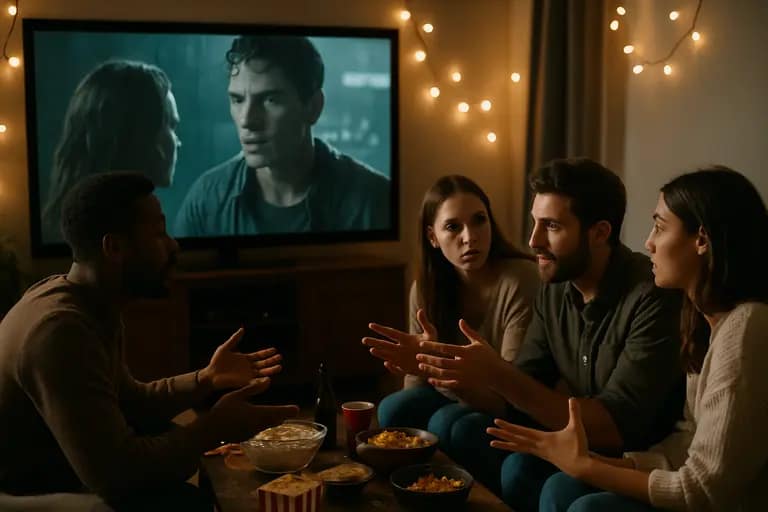
Market-analysis: The settlement sits at the center of three audience habits: fans still enjoy theatrical events, many households rely on streaming as a primary entertainment utility, and price sensitivity is rising. The best reading of theatrical window sentiment is therefore conditional support. Viewers may accept windows if they believe the system gives them better films, clearer release paths, and fairer value. They are less likely to support windows framed mainly as protection for theater chains.
Market-analysis: For creators and cultural programmers, longer windows can help restore some breathing room around film releases. A movie that remains theatrically exclusive for at least 45 days has more time to build word of mouth, press coverage, local event screenings, and fan rituals. Readers tracking how exhibition commitments connect with adjacent film culture can also follow related network coverage at BIFF Award, where theatrical access is part of the wider film conversation.
Market-analysis: The same issue connects to production strategy. A prior SiteBob analysis of theatrical film production considered how the Paramount-Warner Bros. deal could affect studio output, indie supply, union work, and fan access. That production-side question now meets the audience question: if the merged company promises more theatrical films, viewers will judge the pledge by what appears on screens, not by settlement language alone.
Paramount-Warner Bros. Settlement And Audience Trust
Market-analysis: The Paramount-Warner Bros. settlement did not settle the audience question. It clarified what the company promised theaters, but theatrical window sentiment after the settlement remained tied to value, pricing, and content quality. The strongest audience case for a 45-day window is not nostalgia for an older release model. It is the possibility that clear windows can support better launches, more sustained cultural conversation, and a more legible path from theaters to home viewing.
Market-analysis: The risk is equally clear. If streaming prices climb while theatrical slates feel thin, viewers may read the window as another restriction. If the promised release volume produces films people want to experience together, the policy could rebuild some trust with both exhibitors and moviegoers. The audience data does not show a public clamoring for theater-first rules. It shows a public asking whether any merger promise will improve the entertainment they receive for the money they spend.


