
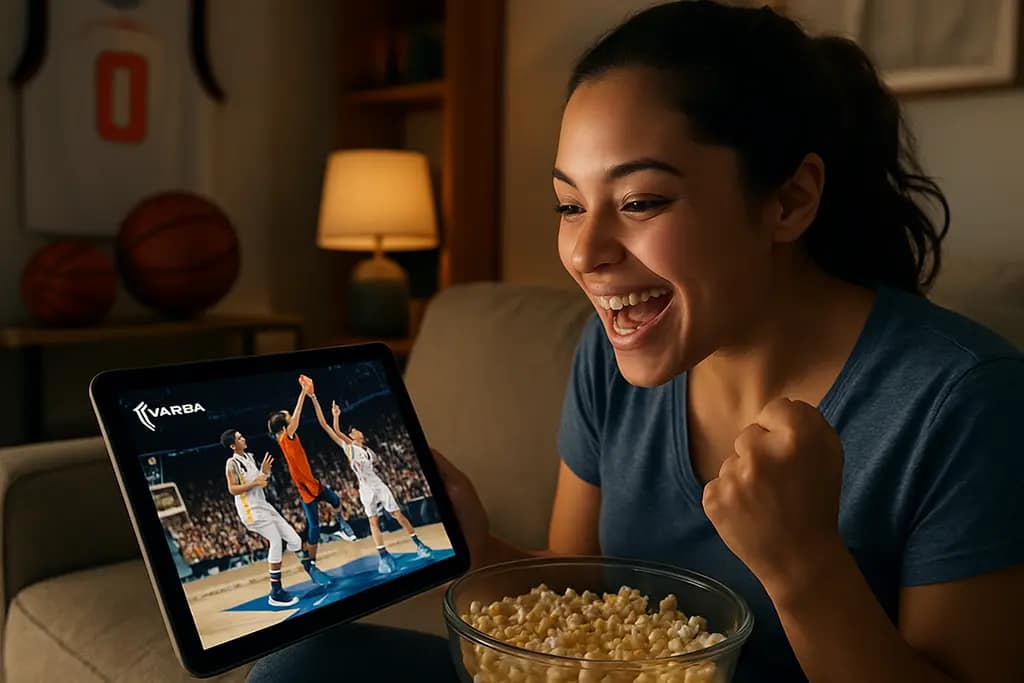
WNBA media rights became a clear audience-engagement story during the 2026 season because the league’s distribution no longer depended on a narrow set of national windows. Confirmed league scheduling data showed a record 216 nationally distributed games across broadcast, cable, and streaming outlets, giving fans more ways to encounter the product without needing a single habitual viewing path.
That shift matters for sponsorships and partnerships because attention in women’s sports is becoming less dependent on one marquee event. The commercial question is no longer whether the WNBA can generate concentrated spikes. The stronger test is whether the league can create repeated access points across different audience behaviors: appointment television, streaming discovery, casual weekend viewing, and younger fan sampling on digital platforms.
Why WNBA media rights Changed Audience Access
Confirmed: More National Windows, More Entry Points
Confirmed: The WNBA announced that the 2026 national broadcast schedule included a record 216 nationally distributed games across Disney platforms, NBCUniversal, Amazon Prime Video, CBS and Paramount+, ION, USA Network, and NBA TV, according to the league’s 2026 broadcast schedule. That distribution design reduced the pressure on any single media partner to carry the full awareness burden.
From an audience-trends perspective, this is a structural change. A fan who primarily watches network television may meet the league through ABC, NBC, or CBS. A younger viewer may encounter games through Prime Video or Peacock. A more habitual sports viewer may find games through cable or NBA TV. The same product can now reach several viewing routines rather than asking all audiences to adapt to one distribution habit.
Market-analysis: The most important impact is not only reach. It is repetition. Sports fandom often deepens through repeated exposure, especially for newer fans who are still learning team identities, player storylines, and rivalry stakes. A larger national schedule gives the WNBA more chances to create that familiarity across the calendar.
WNBA media rights And The Sponsorship Signal
Confirmed: Front Office Sports reported that the expanded media deals are worth roughly $3.1 billion over 11 years, averaging about $281 million per year, around 6.5 times the previous annual rights value of roughly $43 million, based on its rights-value analysis. That figure does not automatically guarantee sponsor performance, but it does signal that major media companies are pricing the league as a larger national property.
For sponsors, the value of WNBA media rights is tied to planning confidence. More national games allow brand partners to map campaigns around predictable inventory, recurring exposure, and varied audience segments. A brand can build around a broadcast window, a streaming audience, a cable package, or a cross-platform media plan rather than relying on isolated high-profile games.
How Distribution Breadth Alters Fan Behavior
Confirmed: 2026 Viewership Gains Were Measurable
Confirmed from the supplied research record: By July 27, 2026, WNBA viewership across all media platforms had increased 12% year over year, games averaged 742,000 viewers across partners, and more than 73 million unique people in the United States had watched WNBA action at that stage of the season. Through early August 2026, full regular-season telecasts averaged 756,000 viewers across national platforms, up 15% from the same period in 2025.
Those figures suggest that broader distribution did not merely scatter the audience. It helped expand the number of people encountering the league. That distinction matters. A fragmented media plan can dilute attention if fans cannot find the games. In this case, the research indicates that the expanded model coincided with higher average audiences and wider unique reach during the 2026 regular season.
Confirmed from the supplied research record: The July 12, 2026 Indiana Fever vs. Las Vegas Aces game on NBC and Peacock drew 2.64 million viewers, making it the most-watched WNBA regular-season game of 2026 and the most-watched Sunday WNBA game since 1998. That result shows how a strong matchup, a broad distribution window, and a familiar viewing slot can still create mass-audience moments inside a more distributed media model.
Market-Analysis: Younger Audiences Change The Partnership Math
Confirmed from the supplied research record: Prime Video’s May 14, 2026 WNBA debut averaged about 529,000 viewers, up 26% over the previous year’s cable averages. The same research record reported gains of 156% among viewers ages 18–34, 147% among viewers ages 18–49, and 106% among viewers ages 25–54.
Market-analysis: Those demographic gains are commercially meaningful because younger audiences often influence sponsor strategy beyond raw reach. Brands interested in apparel, technology, financial services, beauty, wellness, food delivery, and creator-led campaigns generally care about where younger viewers spend time and how they interact with sports culture. The diversified WNBA media rights model gives sponsors more ways to test creative formats across platforms.
This is also where women’s sports fandom has started to separate itself from older regional assumptions. SiteBob has analyzed borderless women’s sports fandom as a commercial force, and the 2026 WNBA distribution model fits that pattern: fans can follow teams, athletes, and storylines through national platforms rather than only through local broadcast habits.
Sponsorship Value Follows Measurable Attention
Market-Analysis: National Inventory Makes Campaigns Easier To Build
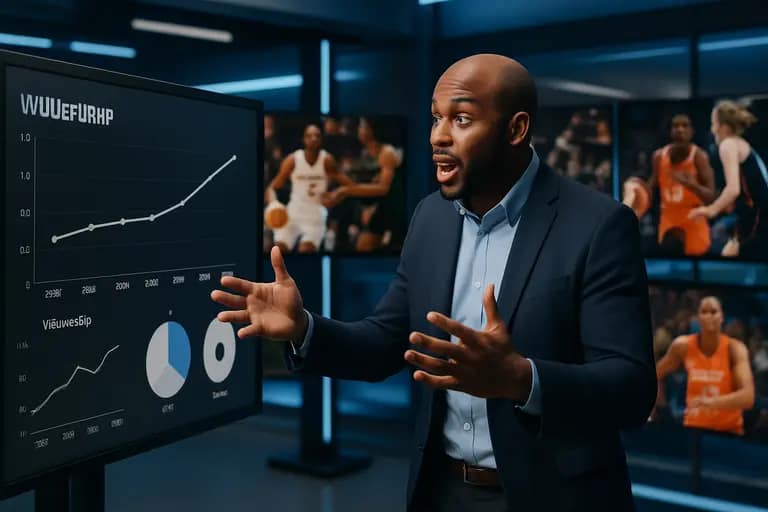
Sponsorship value rises when a league can offer both scale and segmentation. The 2026 WNBA schedule offered broad exposure through national television while preserving platform-specific audience profiles. That mix matters because a partner does not have to choose between reach and targeting as sharply as it once did.
A mass-market brand may prioritize high-reach broadcast games. A streaming-first advertiser may test younger segments on Prime Video or Peacock. A long-term league partner may combine broadcast units, in-arena activation, social content, player storytelling, and retail promotions. The expanded rights structure supports more campaign designs because the media inventory is more varied.
Opinion, based on the confirmed rights data: the league’s strongest sponsorship position comes from combining cultural credibility with repeated exposure. The WNBA has gained attention not only through games but through athlete visibility, fan communities, fashion conversations, social clips, and civic identity around teams. Media rights do not create that culture by themselves, but they give it more scheduled opportunities to appear in front of national audiences.
Confirmed: 2025 Set The Base For 2026 Growth
Confirmed from the supplied research record: The 2025 WNBA regular season was the league’s most-watched in 27 years, reaching 63.2 million unique viewers, a 16% year-over-year increase. Attendance reached 3.1 million total people, up 33%, with 179 sold-out games. The 2026 media expansion built on that base rather than appearing without prior demand.
That sequence is important for cautious analysis. The rights expansion should not be framed as the only cause of audience growth. The league entered 2026 with existing momentum from attendance, viewership, and broader public attention. The media deals then gave that momentum more distribution capacity. For partners, that combination is stronger than either factor alone.
Audience engagement also depends on context across entertainment media. Sports now competes with streaming series, creator platforms, reality formats, and short-form video for habitual attention. For related television-audience analysis within the same network, visit TrueRealTV, where viewer behavior across different entertainment formats is tracked, a useful comparison for understanding the value of live sports.
What The WNBA Rights Strategy Means For Fan Engagement
Market-Analysis: Access Is Now Part Of The Fan Experience
The practical effect of WNBA media rights in 2026 is that access became a larger part of the fan experience. Fans did not need to rely on a single network habit or a limited number of national appearances. They could encounter the league through more platforms, more nights, and more viewing contexts. That increased the chance that casual viewers could become repeat viewers.
For event marketers, the lesson is direct: distribution is not separate from engagement. It shapes how often fans see the product, how quickly they learn the storylines, and whether sponsors can create campaigns that feel connected to the season rather than attached to one isolated media buy.
The sponsorship implication is equally clear. A diversified rights model lets partners match creative strategy to audience behavior. Broadcast can build legitimacy and scale. Streaming can reach younger and more flexible viewing groups. Cable can support regular sports habits. Social and creator content can extend the conversation between games, though those extensions still depend on rights rules and partner agreements.
Culturally, the WNBA’s 2026 distribution expansion reflects a wider correction in how women’s sports are valued. Greater media access does not solve every commercial challenge, and it does not guarantee that every team or partner will benefit equally. Still, the confirmed rights value, expanded national schedule, and reported 2026 viewership gains point to a league moving from scarcity of exposure toward a more durable national media presence.
That is the central audience-engagement impact: WNBA media rights have made fandom easier to start, easier to repeat, and easier for sponsors to support with measurable campaigns.


