
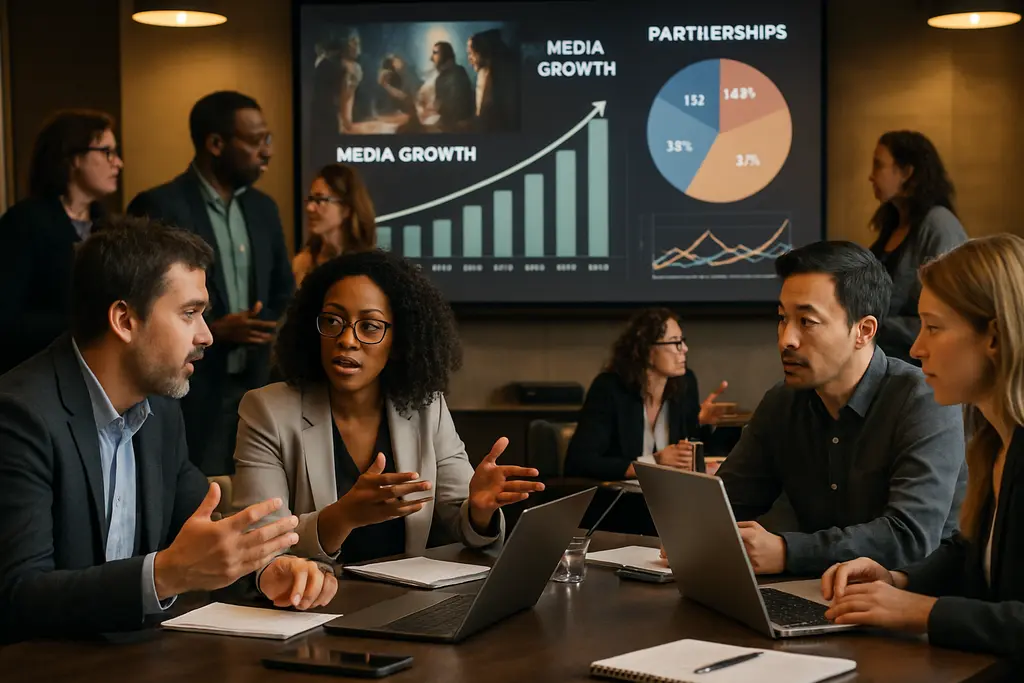
Media consolidation is no longer just a boardroom story about who owns which studio or platform. It is a distribution story, and distribution is where viewers feel the change: which apps sit on connected TVs, which films reach theaters, which bundles get promoted, and which companies control the data trail between a fan and a show. As of September 10, 2026, the clearest confirmed signals came from Q2 dealmaking and the legal fight around the proposed Paramount Skydance–Warner Bros. Discovery merger.
The cultural stakes are practical. Audiences rarely talk about carriage fees or ad-tech valuations in fandom language, but those business choices shape what becomes easy to find, expensive to access, or commercially favored. Distribution partnerships once served as bridges between studios, platforms, theaters, device makers, and pay-TV operators. Larger ownership groups can turn some of those bridges into internal routes, which may reduce friction for the parent company while narrowing the choices available to rivals, independent producers, and fans who do not live inside one preferred bundle.
Why Media Consolidation Changes The Partnership Math
Media Consolidation As An Audience Issue
Confirmed fact: in Q2 2026, Fox Corp acquired Roku for US $22 billion, securing a connected TV platform and digital ad business while giving Fox more direct control over streaming distribution into viewers’ homes, according to Forbes reporting on Q2 media deals. That kind of transaction matters because a connected TV platform is not a neutral shelf in the way viewers may imagine it. It can influence app placement, advertising inventory, measurement, recommendation surfaces, and the commercial terms that streaming services negotiate to reach households.
Market-analysis view: the Fox-Roku deal showed why distribution partnerships have become more valuable than simple licensing arrangements. A company that owns both programming and a gateway to the living room can collect more first-party viewing signals, package advertising more tightly, and reduce its dependence on outside platform owners. For audiences, the effect may not appear as a sudden loss of access. It may appear as more prominent promotion for affiliated content, more bundled offers, or a stronger push toward ad-supported viewing models.
This does not prove that every large deal harms viewers. Some integrations can make sign-in, billing, and discovery easier. The risk is that convenience can sit beside concentration. If a small or mid-sized streamer needs access to a connected TV interface controlled by a rival with its own programming priorities, the negotiation changes. The smaller service may still reach fans, but the cost, visibility, and data access terms can become harder to manage.
The Shift From Licensing To Control
Distribution partnerships used to be described mainly through carriage and licensing: a network reached a cable provider, a film reached exhibitors, or a streaming app reached device platforms. Media consolidation changes the center of gravity from access deals to ownership of the access layer itself. Owning the platform, the ad stack, or the catalog can give one company more influence over the path between content and viewer.
That shift has cultural consequences. Fandoms often form around availability. A show that is easy to sample can create conversation faster than one buried behind a less visible app or a confusing bundle. A film that receives a wide theatrical push can become part of a shared weekend conversation. An independent release that struggles for screens may survive through niche enthusiasm, but its chance to become a broad cultural object is lower.
For related video-sector context, internet video coverage across the same network often returns to a similar question: who controls the path from upload, studio release, or streaming premiere to actual audience attention? The answer is increasingly tied to ownership, not only taste.
The Paramount-WBD Fight Shows The Pressure Points
What The States Challenged
The proposed Paramount Skydance–Warner Bros. Discovery merger became the clearest test case for how regulators and states read media distribution power. Confirmed fact: on July 13, 2026, 12 states filed a lawsuit aiming to block the deal, with claims focused partly on theater distribution and cable reach, according to Axios coverage of the state lawsuit. The complaint cited the combined company’s roughly 27% basic cable reach and argued that, in top-grossing theatrical distribution, the merged company would control more than 30% of films, while four studios including the merged entity would control over 90%.
Those figures are allegations in litigation, not final judicial findings. Still, they show where the policy debate has moved. The core concern is not simply whether one company owns many recognizable brands. It is whether scale could let a combined company press theaters, cable providers, and distribution partners for terms that smaller rivals cannot match. SiteBob previously examined this same dispute through the Paramount merger pause, where the delay itself became a signal that dealmaking now faces a sharper competition test.
For viewers, the case may sound distant until it reaches the release calendar. If fewer large distributors account for a high share of wide-release films, theater programming can become more dependent on the strategic priorities of a small group. That can affect which genres receive marketing support, which franchises get prime dates, and how much room remains for counter-programming. Audience choice is not measured only by the number of titles that technically exist. It is also shaped by which titles receive distribution force.
Cable Carriage And The Bundle Problem
The cable-reach argument also matters because pay-TV carriage remains tied to older but still influential audience habits. News, sports, unscripted series, and franchise reruns continue to move through bundles that millions of households understand through channel placement and monthly price. If a combined owner has a larger portfolio of channels and a deeper film and television library, distributors may face harder choices during carriage negotiations.
Market-analysis view: this can produce two opposite audience outcomes. A large content owner may create broader packages that feel efficient to consumers who already want its brands. Yet the same scale can raise the stakes of failed negotiations, because a dispute may remove a wider set of channels or titles at once. Fans experience that as blackout anxiety, price frustration, or confusion over where a familiar program has moved.
Streaming has not erased this problem; it has duplicated parts of it. The bundle is returning through apps, ad tiers, live channels, and platform marketplaces. Media consolidation gives owners more assets to package, but it also gives them more reasons to keep valuable rights inside controlled ecosystems. That can limit the open licensing that once helped older shows find new audiences across multiple services.
How Distribution Power Changes Fan Engagement
Discovery Becomes A Competitive Advantage
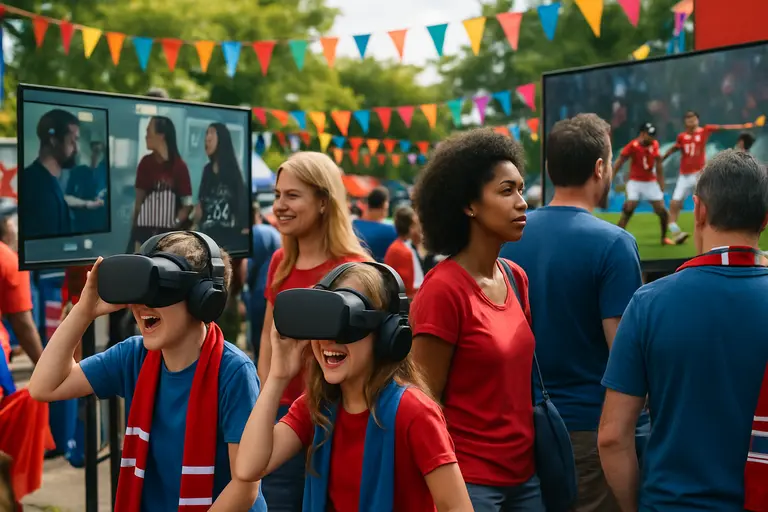
Fan engagement depends on repeated exposure. A series usually needs trailers, social clips, recommendation placement, press access, creator interviews, and easy playback before a casual viewer becomes a committed fan. Distribution partnerships decide how many of those touchpoints are available and who profits from them. When a company controls content, platform placement, and ad inventory, it can coordinate those signals with far more precision than a stand-alone producer.
That coordination can help audiences find major releases quickly. It can also crowd the attention field. Independent distributors, smaller streamers, and niche creators may have to buy visibility from the same platforms that compete with them for time spent. The result is not always direct exclusion. More often, it is a quieter hierarchy of prominence: featured rows, default apps, bundled trials, preferred ad products, and recommendation systems that favor scale.
Opinion, based on the confirmed deal pattern: the most important audience metric in this phase is not only subscriber count. It is controllable attention. A media company that owns more of the viewer pathway can steer attention before the viewer has made an active choice. That has cultural weight because fandom begins before the first episode or opening weekend; it begins when a title is repeatedly made visible enough to feel relevant.
Monetization Shapes What Gets Made
Distribution does not sit after production. It feeds back into production choices. If a consolidated company earns more from ad-supported viewing on its own connected TV platform, it may favor formats that perform well in that environment. If theatrical power is concentrated among a few studios, investors and producers may chase projects that those distributors are likely to support. If carriage negotiations reward broad portfolios, companies may prize franchises, sports-adjacent programming, and libraries that strengthen bundle value.
This is where the cultural effect becomes visible. A market tilted toward scale can support expensive franchise storytelling, global marketing, and high-volume release plans. It can also make riskier work more dependent on festivals, small distributors, creator platforms, or public-service media. Audience taste still matters, but the route to audience is not equally available to every type of project.
Media Consolidation And Distribution Partnerships
The impact of media consolidation on distribution partnerships should be read with care. The confirmed facts point to larger owners seeking more control over platforms, ad data, theatrical routes, and cable reach. The Fox-Roku acquisition showed the value of owning the connected TV gateway. The Paramount Skydance–Warner Bros. Discovery lawsuit showed why states viewed theatrical distribution and cable carriage as competition pressure points.
The audience question is not whether consolidation is automatically bad or good. It is whether distribution remains open enough for varied cultural work to reach viewers on fair terms. Fans benefit when access is clear, pricing is understandable, and discovery systems do not bury alternatives before audiences can judge them. Creators benefit when partnerships offer reach without requiring dependence on a single dominant gatekeeper.
For studios and platforms, the strongest long-term signal may be trust. Viewers can accept bundles, ads, and exclusive windows when the value is clear. They become less patient when rights shift without explanation, apps fragment libraries, or carriage fights interrupt access. Media companies that use scale only to tighten control risk making fans feel managed rather than served.
The next phase of distribution partnerships will be judged not only by deal value, but by how those deals change everyday media behavior: what appears first on the screen, what reaches theaters, what stays affordable, and what kinds of stories still have a practical path to an audience.