
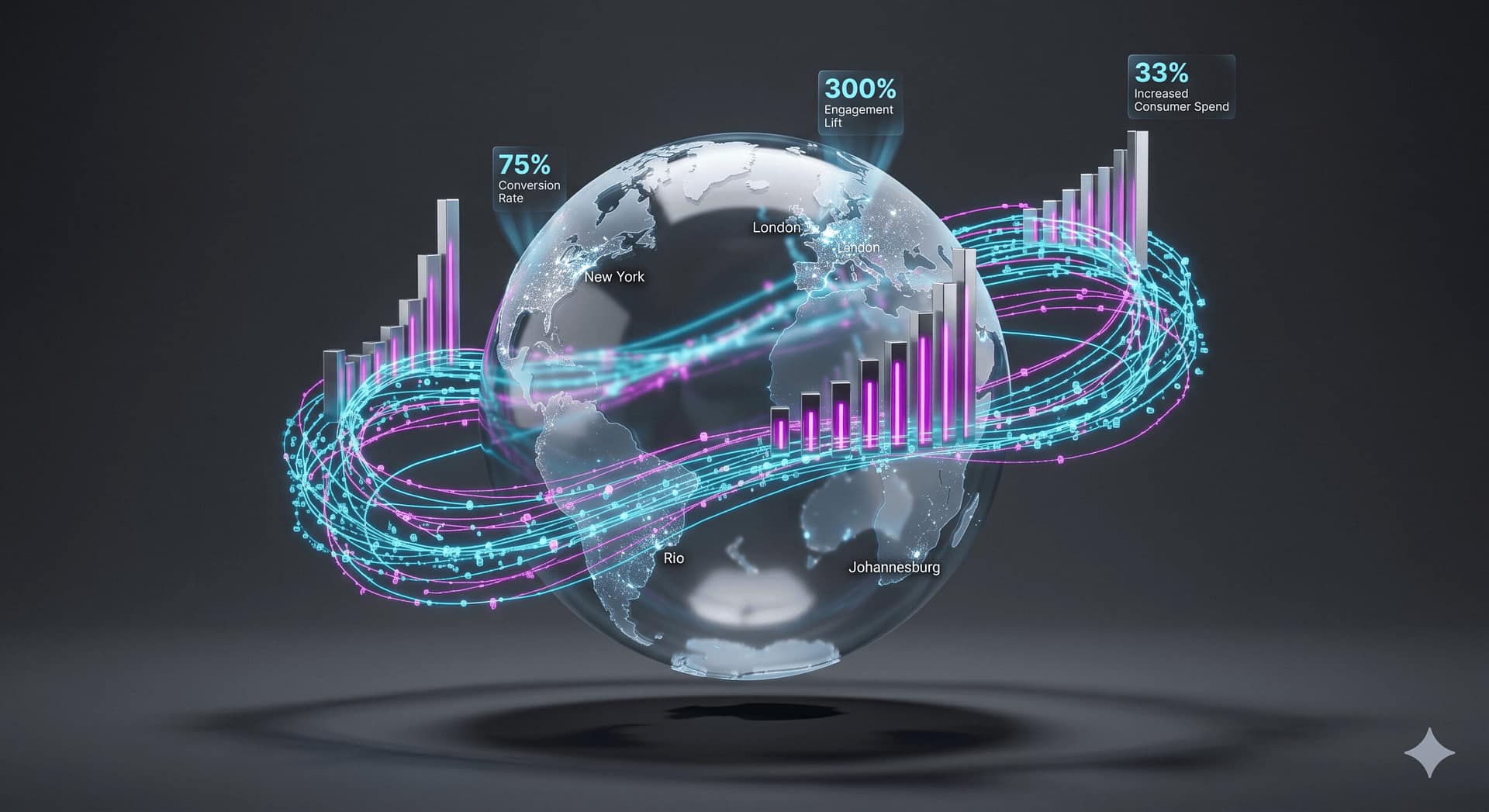
The historical playbook for sports marketing has always been anchored in geography. Brands traditionally bought local television spots, targeted regional media markets, or designed stadium activations based entirely on the physical location of the team’s stadium. If you lived within fifty miles of the arena, you were the target audience. If you lived across the country, you were largely invisible to the commercial engine.
Women’s sports have broken this model completely. Fandom in this sector does not rely on geographic proximity; it is driven by digital communities, shared values, and direct player-to-fan connections. The traditional boundaries that restricted sports commerce to regional footprints have collapsed, giving rise to a highly scalable digital economy. For sports marketers, this shift means that regional marketing strategies are being replaced by global, culture-first frameworks.
According to data published by Genius Sports in the fifth edition of The Fan Project: Turning Culture Into Commerce, the structural mechanics of women’s sports fandom operate on an entirely different economic plane than men’s legacy leagues. The data demonstrates that as women’s sports audiences grow, their behavior expands beyond passive viewership into active commercial participation. Marketers who treat this audience like a traditional regional fan base are entirely missing the underlying revenue potential.
The Geometry of Borderless Audience Growth

The defining technical metric of the modern women’s sports landscape is its independence from geographic constraints. In men’s legacy professional sports, regional loyalty is the primary driver of engagement. Fans inherit local allegiances or follow teams due to residential proximity. In contrast, women’s sports fans construct their loyalties around digital access, cultural narratives, and athlete advocacy.
The numbers reveal the exact scale of this geographic decoupling. Only 7% of women’s sports fans follow a team because they live nearby, compared to 30% of men’s sports fans. This means that 93% of the audience is bound by values rather than zip codes. This borderless footprint transforms a local team franchise into a global media property from day one. Teams like Minnesota Aurora FC have attracted investors from all 50 U.S. states, while Angel City FC regularly ships merchandise to more than 80 countries despite playing its matches exclusively in Los Angeles.
To capture this non-localized footprint, content deployment strategies must shift away from standard broadcast schedules toward continuous digital engagement pipelines. Implementing authentic NIL athlete co-creation programs allows sports brands to scale their message far beyond stadium walls. By leveraging a player’s personal, borderless audience, teams can seamlessly seed hyper-engaged digital nodes across multiple markets simultaneously.
The Trust Economy and Athlete-Led Commerce
The commercial value of this borderless audience is unlocked primarily through the athlete-led trust economy. Women’s sports fans exhibit a distinct willingness to convert their attention into direct consumer spend when an athlete authentically endorses or creates a product. This relationship operates on high levels of peer-to-peer trust rather than top-down corporate messaging.
The behavioral delta between women’s sports audiences and general sports consumers is substantial. Fans of women’s sports are three times more likely than fans of men’s sports to purchase directly from player-created brands. This multi-fold increase in conversion efficiency proves that alignment with individual athlete narratives goes further and converts harder in women’s sports than anywhere else in the broader entertainment landscape.
| Fan Behavior Metric | Women’s Sports Segment | Men’s Sports Segment | Commercial Impact Multiplier |
| Geographic Team Loyalty | 7% follow local teams | 30% follow local teams | 4.2x higher borderless scalability |
| Player-Brand Purchase Intent | 3x baseline purchase likelihood | 1x baseline purchase likelihood | 300% direct conversion efficiency |
| Cross-Industry Festival Attendance | 2.6x more likely to attend | 1x baseline attendance | 260% immersive event market lift |
A prime example of this phenomenon occurred during soccer legend Alex Morgan’s retirement campaign, when she partnered with the women-founded formula brand Bobbie. The alignment of authentic personal storytelling with a brand that matched her public values resulted in a 33% increase in consumer spend among women’s sports fans. As Gina Waldhorn, SVP of Marketing at Genius Sports, notes, the next phase of industrial growth will belong entirely to brands that treat women’s sports fandom as a continuous consumer journey rather than an isolated corporate sponsorship moment.
Immersive Activations and Cross-Industry Convergences
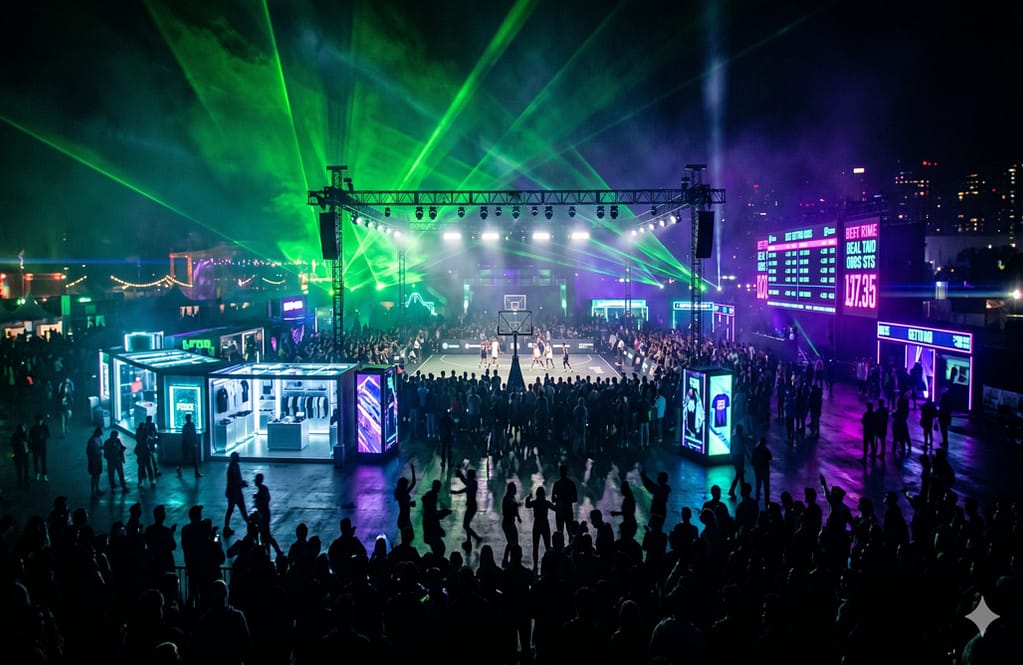
The unique behavior of the women’s sports fan extends far beyond digital commerce and into live, multi-dimensional experiences. This audience does not view sports as an isolated three-hour broadcast event. Instead, they view sports as an intersectional pillar of broader cultural engagement, spanning music, fashion, and technology.
Marketers can exploit this behavior by building festival-style activations around live sports events. The data shows that fans of women’s sports are 2.6 times more likely to attend live concerts and multi-day festivals than general sports fans. This indicates a massive, unmet market demand for immersive experiential spaces that extend far past the stadium concourse.
Furthermore, the intersection of gaming and sports betting presents a major, untouched revenue pipeline within this community. Women’s sports fans who play video games are 3.2 times more likely than the general population to place a wager through a legal sportsbook. This high-intent, digital-native segment represents a premium growth audience for sports betting operators who have historically tailored their marketing engines strictly toward male demographics.
Operationalizing Cultural Data for Event Marketers
To build sustainable commercial value from these insights, sports organizations must adjust their operational mechanics. Continuing to deploy old media frameworks against an audience that thrives on immediacy and cultural relevance will only result in missed engagement opportunities.
To maximize these distinct emotional spikes, media networks and corporate sponsors must utilize live, data-driven triggers to deliver contextual advertising exactly when fan engagement peaks. Reviewing the latest Genius Sports data outlines exactly how these real-time data signals yield deep market conversion. By embedding branded statistical graphics directly into live content streams during high-leverage match points, brands can double their unaided recall metrics.
Executing this strategy successfully across the remainder of the 2026 sports calendar requires a strict commitment to specific data-driven practices:
- De-prioritize localized geotargeting in favor of behavioral, values-based audience segments across programmatic ad networks.
- Integrate interactive digital assets, such as real-time predictive analytics and gamified fantasy rewards, into the live viewing experience to feed the high-intent gaming demographic.
- Design event environments that mimic premium music festivals, integrating local culinary vendors, retail pop-ups, and live entertainment to lengthen the physical consumer journey.


