
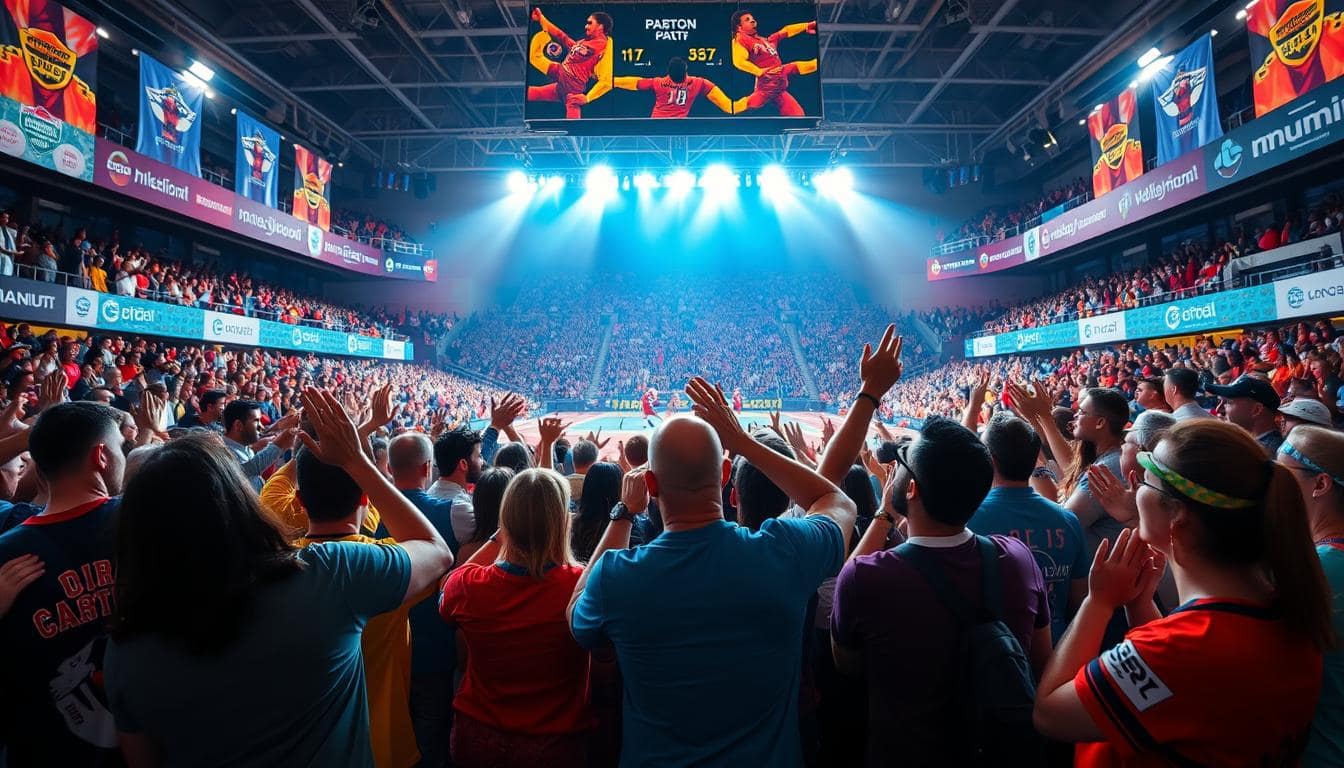
Let’s be honest – just putting your logo on a stadium wall doesn’t work. It might get noticed, but does it really mean anything?
Sports partnerships are like a strong espresso – they pack a punch and wake up your brand. But many companies treat these deals like quick swipes on a dating app. They’re forgettable.
Fans aren’t just customers; they’re part of a big cultural event. They show their team spirit by painting their faces and learning stats. They’d even miss their anniversary for the big game.
Research shows 78% of people like spending on experiences more than things. So, your strategy should focus on creating memorable moments, not just visibility.
If your efforts don’t spark conversations, you’ve wasted a lot of money. It’s like paying for the most expensive background decoration in sports history.
Pre-Event Buzz Creation
Ever seen a bad opening act clear out the arena before the main act? That’s what happens when brands don’t join the party. They treat pre-event marketing like a boring corporate memo.
Sports fans are already excited. They’re into stats debates, meme wars, and guessing the lineup. Your sponsorship activation should boost the excitement, not start it.
Most brands make a big mistake: they talk instead of listening. Sports fans are more passionate than regular customers. They spend hours cheering for their teams. So, why bother them with boring “come to our event” messages?
The smart move is to listen to what fans really want. Then, make your sponsorship activation feel like a part of their excitement.
Try prediction contests to settle debates. Give them behind-the-scenes looks to make them feel special. Create interactive experiences that become part of their game-day routine.
Digital activations can reach lots of people on social media. But, they need something real too. Sports are unpredictable, leading to ongoing conversations that brands can use.
Your sponsorship activation should enhance fan behaviors, not create new ones. It’s the difference between being the cool friend with great drinks and the neighbor who ruins the party.
Remember, sports marketing isn’t about being the star. It’s about getting the crowd ready so they cheer for you when the main event starts.
Interactive Social Media Campaigns
If you think posting game schedules with your logo is enough, you’re missing the mark. Today’s fan engagement strategies need to be more than just posting. They should be as exciting as a perfect Hail Mary pass.
Brands spend millions on sponsorships but treat social media like a megaphone. This approach gets little to no response. Sports fans want to be part of the action, not just watch.
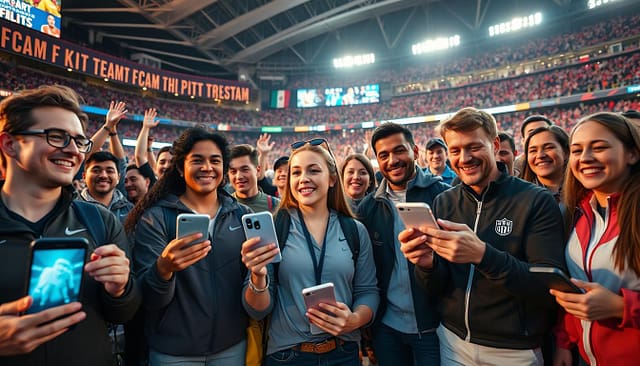
Sports culture is all about competition, immediacy, and shared experiences. Your social campaigns should reflect this. Try prediction contests, fantasy leagues, and real-time engagement during games.
Platforms like Instagram and TikTok are more than just content channels. They’re places to create experiences. Use them for behind-the-scenes footage, interactive polls, and challenges.
When campaigns feel like a natural part of the game, magic happens. Digital activations between events keep the excitement going. They also provide feedback that traditional marketing can’t match.
Successful fan engagement strategies create moments fans want to share. It’s about starting conversations, not just pushing your message. The goal is to be genuinely viral.
Authenticity is key in sports culture. Fans can spot fake messages from a mile away. Your campaigns should feel like a natural part of the sport, using rivalries and traditions.
Digital activations can amplify your message if done right. But it’s not about creating content. It’s about giving fans a chance to co-create with you.
For brands wanting to maximize sports sponsorships, the message is clear. Engage with fans, don’t just talk at them. The most memorable campaigns are those that make fans feel like they’re in charge.
Your social media should be the digital version of the best seat in the house. It should be interactive, immersive, and essential to the experience. Anything less is just watching from the sidelines.
Onsite vs Online Activation
Choosing between physical and digital activations is like debating whether a concert needs both music and audience. The magic happens when they come together. Brands often treat these as separate battles, but they’re actually two parts of a whole.
Onsite experiences give fans a deep emotional connection that digital can’t match. This is backed by science: physical interactions create lasting memories. When fans touch a trophy or smell race car rubber, they’re not just engaging – they’re making memories that last.
The data shows that 72% of sports fans prefer live experiences to connect with brands. That’s nearly three-quarters of your audience wanting to see, not just hear. But many marketers miss this important point.
Digital isn’t the enemy; it’s a powerful tool. While onsite experiences create strong emotions, online platforms share that excitement with more people. The key is to make them work together.
Smart brands use onsite moments to create digital content. Then, they use digital to build interest in future live events. It’s not a choice between the two; it’s a combination that works well together.
The best sports event engagement strategies understand this balance. They create experiences where live events provide the emotional impact and digital platforms share it with more people.
Think about that viral video of a fan meeting their hero at the stadium. The physical moment created the content, and digital spread it. This is how you create experiences that last and touch people’s hearts.
Your activation strategy should combine physical and digital, just like a great meal combines flavor and presentation. The most memorable sports event engagement happens when both elements come together to create something special.
Dual Channel Measurement
Measuring sponsorship success with only digital metrics is like judging a concert by ticket sales alone. You miss the music. Brands often focus on click-through rates, ignoring the emotional connection they make.
The best sponsorship strategies know numbers only tell half the story. Digital metrics give you facts like impressions and clicks. But onsite experiences capture the human side.
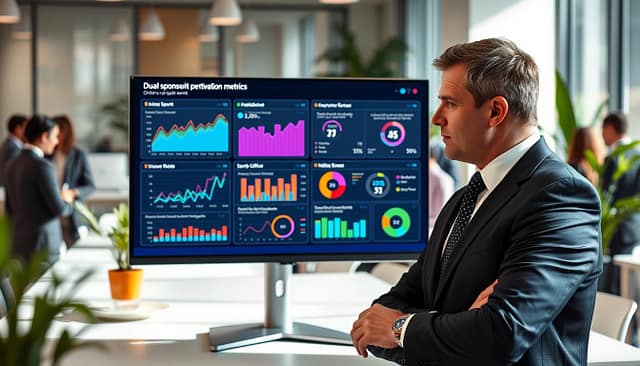
Digital metrics show the “what,” while onsite feedback explains the “why.” Seeing 10,000 social media mentions doesn’t mean much without understanding the emotions behind them.
Here’s what true measurement looks like:
- Track digital engagement across all platforms
- Capture onsite experience quality through surveys
- Measure emotional impact with direct participant feedback
- Analyze brand perception shifts pre- and post-event
The most effective sponsorship activation programs value both numbers and depth. They know success isn’t just about reach. It’s about creating a meaningful connection.
Digital metrics show reach, but onsite feedback reveals the impact. Having one without the other is like having a map without a destination. You know where you’ve been, but not where you’re going.
Integrating Influencers
I’ve seen more brands fail with influencer partnerships than succeed. They treat influencers like rented mules, not cultural ambassadors. True fan engagement needs more than just a logo on Instagram.
Authenticity is key, not just a buzzword. Fans can spot fake partnerships quickly. The secret? Choose influencers who already love your sport’s culture. They’re not just spokespeople; they’re cultural translators.
- Cultural credibility over follower count – 100,000 genuine fans beat 1 million passive followers every time
- Experiential access over scripted content – Give them behind-the-scenes moments they’d actually want to share
- Community building over brand shouting – They should bridge your brand to the culture, not just amplify your message
The best sports sponsorships don’t feel like ads. They’re natural parts of the fan experience. One brand gave influencers real locker room access. Another worked with creators who were already season ticket holders.
Remember, you’re not buying influence. You’re earning cultural relevance. The difference is between a real touchdown celebration and an awkward end zone dance.
Your fan engagement strategies should make influencers say “I’d post this even if I weren’t getting paid.” That’s when you know you’ve nailed it.
Brand Storytelling
Brand storytelling in sports sponsorship is like a stadium without fans. It lacks soul. I’ve seen brands spend millions on sports events but create campaigns that feel fake.
They think their brand is the hero. But the fan is the real star. Your sponsorship is just the backdrop for their moments.
Hybrid experiences mix physical and digital elements for the best stories. Onsite events give fans unforgettable moments. Digital platforms let fans share their stories.
Think of it as a story ecosystem. Every touchpoint adds to the story. Your sponsorship should be a chapter in the fan’s journey, not a commercial break.
Brands that excel in sports event engagement focus on making memories. They create moments worth sharing. This makes them unforgettable, not just forgotten by Monday.
Your success should be measured by how many create their own content. This turns sports event engagement into a cultural investment.
Post-Event Feedback
The real magic of event marketing happens after the cleanup crew arrives and the last attendee goes home. I’ve seen brands celebrate successful events without looking at the details that could improve the next one. It’s like celebrating a touchdown without reviewing the game tape – you’ll never learn what actually worked.
Digital platforms become your best friend in this phase. They let you continue conversations that started at the event, turning one-night stands into meaningful relationships. Post-content that extends the emotional high isn’t just nice-to-have; it’s essential for maintaining engagement between physical events.
The most sophisticated sponsorship activation strategies treat this phase as the beginning of the next cycle, not the end of the current one. You need both quantitative data and qualitative insights to understand what truly resonated with your audience.
Here’s how the pros approach post-event feedback collection:
| Feedback Method | Best For | Key Insights | Implementation Timeline |
|---|---|---|---|
| Digital Surveys | Quantitative data collection | Metrics on engagement levels | Within 48 hours post-event |
| Social Media Sentiment Analysis | Emotional response tracking | Authentic audience reactions | Ongoing for 2 weeks |
| Participant Testimonials | Qualitative storytelling | Personal connection points | Within first week |
| Follow-up Engagement Metrics | Long-term impact assessment | Brand recall and loyalty | 30-60 day analysis |
Survey participants while memories are fresh. Analyze social media sentiment to gauge authentic reactions. Track how engagement continues days and weeks after the event. This isn’t busywork – it’s intelligence gathering that directly informs your next move.
The brands that excel at sponsorship activation aren’t just good at throwing parties; they’re forensic investigators of their own success. They know which elements created genuine connection versus what simply looked good on Instagram.
Use these insights to refine your approach. Did the interactive photo booth generate more social shares than the celebrity appearance? Did the educational component drive more qualified leads than the free cocktails? This data becomes your competitive advantage for the next sponsorship activation.
Remember: The event itself is just the first date. The post-event analysis determines whether you get a second one. Treat this phase with the same strategic importance as the activation itself, and you’ll stop guessing what works and start knowing.
Key Takeaways
Remember this: winning at sports sponsorship means treating fans as cultural participants, not marketing targets. The data shows that the best fan engagement strategies start with what audiences want and what brands need.
Don’t view sponsorships as just media buys. The real magic is in creating hybrid experiences. These mix the emotional power of live events with digital amplification. Your strategies should track both numbers and cultural impact.
The future is for brands that see sponsorship as earning relevance, not just buying attention. If your approach doesn’t work for fans, it won’t work for your brand. Cultural integration is more powerful than logo exposure.
Stop selling what’s available and start building what’s authentic. The best fan engagement strategies see sports partnerships as cultural collaborations, not just deals. This way, you create something meaningful, not just a logo.


