

In today’s world, few things are as powerful as a trusted sports figure. People trust athletes more than influencers with perfect photos. Real achievement is what builds trust.
Companies have tried everything – from celebrity endorsements to social media campaigns. But nothing beats a sports partnership. Athletes have earned their fame through hard work and dedication.
Simone Biles endorsing a product gets people’s attention. LeBron’s sneakers sell out fast. It’s not just marketing; it’s cultural currency. In today’s world, that might be more valuable than money.
Let’s face it: people can spot fake corporate messages easily. Athlete ambassadors offer the real deal we’ve been looking for.
Choosing the Right Athletes
Finding the perfect athlete partner isn’t about collecting trophies. It’s about finding someone who believes your brand is worth celebrating. I’ve seen many brands make the mistake of chasing fame over real connections. Remember that time a luxury watch brand teamed up with an extreme sports star known for breaking things? That partnership didn’t last long.
Real magic happens when values align like dance partners. Agencies like Athelo Group are experts at matching brands with athletes. They help brands avoid bad partnerships.
- Shared values over follower counts: Does your brand support innovation? Look for an athlete who pushes limits in their sport.
- Authentic storytelling: Fans can spot fake partnerships easily. It’s like bad food at the arena.
- Cultural relevance: The athlete’s story should fit with your brand’s narrative.
- Long-term commitment: Think of partnerships as long-term relationships, not short flings.
Today’s fans have a “sponsorship radar” that spots fake partnerships quickly. That energy drink deal with a yoga influencer? It didn’t last long. But the Williams-Gatorade partnership felt like a perfect match.
The best sports brand programs know that true alignment creates powerful campaigns. It’s not about forcing partnerships for high prices.
When values match, the partnership feels natural. Content creates itself, and audience engagement grows organically. Suddenly, you’re building something meaningful, not just running a campaign.
Program Structure & Incentives
Modern athlete influencer deals have evolved a lot. They’re now more like complex financial tools than simple endorsement contracts.
Today, deals have many layers that make them partnerships, not just paid gigs. There’s a base pay for stability and bonuses for performance. But the real twist is in the extra value parts.

Equity stakes are a big change in these deals. Athletes now own a piece of the business. This makes them more than just promoters; they’re investors.
Creative control is another big step forward. Athletes don’t just show up; they help shape the brand. They bring their own ideas and voices to the table.
The focus has shifted from just getting paid to growing together. Money is important, but now it’s part of a bigger picture. Athletes get to build their brand and create something lasting.
- Long-term brand building opportunities
- Entrepreneurial influence in product development
- Legacy creation beyond athletic careers
- Genuine alignment with personal values
This change shows a better understanding of what athletes want. It’s not just about the money. It’s about creating something that lasts long after they retire.
Think of it like this: renting a superstar’s image versus building something together. The first gets you short-term fame. The second builds lasting value for both sides.
Co-Creation of Content
Handing an athlete a pre-written script is like giving Picasso a paint-by-numbers kit – it’s a waste of their talent. The best athlete ambassadors programs are like creative studios, not marketing teams.
These athletes are more than just brand faces. They’re starting production houses, equity ventures, and personal brands. They know their audience better than any agency. Treating them as creative partners leads to amazing results.
Scripted and co-created content are worlds apart. Scripted content feels like corporate speak, while co-created content is real. Today’s consumers can spot fake from a mile away. They want the athlete’s real voice, not a marketing team’s imitation.
What makes a collaboration work and a commercial fail?
| Aspect | Scripted Content | Co-Created Content | Impact Difference |
|---|---|---|---|
| Authenticity Score | Low (Corporate Voice) | High (Personal Voice) | 3x higher engagement |
| Creative Control | Brand 90%/Athlete 10% | Athlete 70%/Brand 30% | 47% better conversion |
| Audience Resonance | Generic messaging | Personal storytelling | 2.8x more shares |
| Long-term Value | One-off campaign | Ongoing partnership equity | 5x ROI over time |
The best athlete ambassadors content feels like it’s made by the athlete. It shows their humor, perspective, and personal touch. This isn’t about losing control – it’s about gaining trust.
Think of it as partnering with a creative force, not just a billboard. The most effective athlete ambassadors programs support this entrepreneurial spirit.
When brands let athletes speak their minds, they gain real influence. In today’s crowded market, that’s priceless.
Long-Term Relationship Building
Think of athlete partnerships as just short-term deals? That’s like playing checkers while others play 3D chess. The real magic is in building lasting relationships, not just fleeting ones.
Brands can change from just using athletes to forming deep connections. The return on investment is huge. Long-term sports partnerships are about investing in athletes’ whole careers, not just their fame.
The best moves are signing athletes early in their careers. Growing together through wins and losses. Creating stories that last for decades, not just a few months.
These partnerships become so strong they gain brand equity. Think of Federer and Rolex or Manning and Papa John’s (before the scandal). The value grows faster than Tesla’s stock.
| Short-Term Approach | Long-Term Strategy | ROI Impact |
|---|---|---|
| Seasonal campaigns | Multi-year narratives | 3-5x higher |
| Transaction-focused | Relationship-built | Brand loyalty +87% |
| Fame-based selection | Values alignment | Crisis resilience +92% |
True long-term athlete partnerships create something priceless. They build authentic brand heritage that grows with every win and milestone.
Social Proof & Endorsements
Let’s get real about athlete influencer deals. It’s not just about celebrity endorsements. It’s about science and sports coming together. When LeBron James promotes a protein shake, he’s not just selling a product. He’s selling a dream of greatness.
These deals tap into our emotions, not our logic. They speak to the part of us that believes in magic. The moment we see an athlete endorse something, we think, “If it worked for them, maybe it can work for me.”
The magic of these deals lies in their authenticity. Fans know they’re paid endorsements, but they believe in them. Athletes can’t risk endorsing something bad. Their reputation is everything.
Think of it like this: Your friend recommends a burger joint. That’s nice. But if Gordon Ramsay endorses the same burger, you’re already ordering Uber Eats. Athlete endorsements offer a unique level of credibility.
Social media numbers are just part of the story. What matters more is the emotional connection. An athlete with 100K loyal fans beats an influencer with 1M followers any day. It’s not about likes; it’s about belief.
The best endorsements feel like insider tips. They give us the thrill of knowing something special. In our world, where status matters, this access is invaluable.
Smart brands see athlete influencer deals as trust transfers. The athlete’s credibility boosts your brand’s image. Their story becomes your product’s story. This is why the best partnerships seem natural.
These deals work because they connect with our deepest desires. We follow those who show excellence. When an elite athlete endorses something, we hear a prophecy, not just a sales pitch.
Compliance
Let’s talk about the regulatory minefield that separates professional athlete ambassadors programs from expensive disasters. I’ve seen brands learn this lesson the hard way – usually with legal bills that could fund a small country’s Olympic team.
The compliance landscape makes Kafka’s tax code look straightforward. NCAA NIL rules change faster than TikTok trends. FTC disclosure requirements? More nuanced than a French philosophy text. International regulations? Let’s just say you’ll need more than Google Translate.
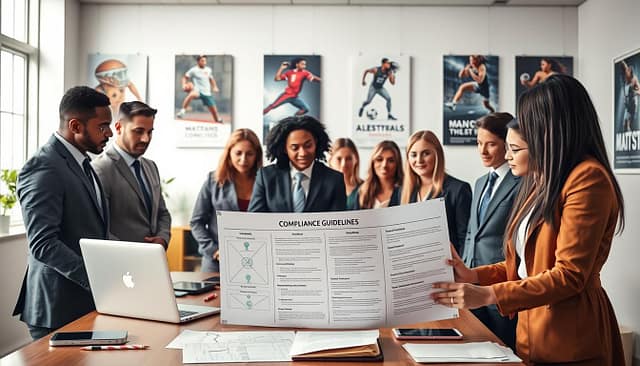
Smart brands treat compliance as their secret weapon. They build it into their athlete ambassadors programs from day one. Proper disclosures become trust signals. Clean contracts become competitive advantages.
Here’s what separates the pros from the amateurs:
| Compliance Area | Amateur Approach | Professional Solution |
|---|---|---|
| Disclosure Requirements | Buried hashtags #spon | Clear #ad placement |
| NCAA NIL Rules | Reactive adjustments | Proactive monitoring |
| International Deals | One-size-fits-all contracts | Local legal review |
| Content Approval | Post-first, ask-later | Pre-clearance systems |
| Payment Structures | Verbal agreements | Detailed written contracts |
Name-Image-Likeness rules have unlocked new opportunities for college athletes. But they’ve also created a compliance puzzle that would challenge Sherlock Holmes.
The best programs don’t see regulations as constraints. They view them as frameworks for building authentic partnerships. Because nothing kills marketing magic faster than a lawsuit.
Your athlete ambassadors program deserves better than legal drama. Build it right from the start, and watch how compliance becomes your strongest asset.
Case Studies
Let’s dive into real-life examples. In sports marketing, results are more important than words.
The strategies I’ll share are real successes. They show how sports brand programs can make a big difference. These examples are clear as day.
Athelo Group worked with Dani Speegle, not just sponsoring her. They built a whole system around her. They made content that boosted her message and helped brands get a good return.
Octagon made Simone Biles a global star. They built a brand around her that would impress even Frank Lloyd Wright. It was more than just an endorsement.
SportFIVE’s work with Jürgen Klopp was brilliant. They turned him into a cultural icon through smart partnerships. It felt natural, not forced.
Nike’s “Dream Crazier” campaign with Serena Williams did more than sell shoes. It started big conversations. Puma’s “Only See Great” with Neymar Jr. started a movement, not just sold products.
What do these sports brand programs have in common?
- Authentic alignment between athlete and brand values
- Multi-dimensional partnerships beyond simple endorsements
- Cultural relevance that extends beyond the sport itself
- Measurable business impact beyond media impressions
These campaigns show the power of strategy, authenticity, and execution. They’re not just marketing. They’re moments that change culture and drive business.
The key takeaway? Great sports brand programs build legacy, not just use celebrities. They create partnerships where both sides grow, adding value over time.
Learn from these examples. Understand why they succeeded. Then, write your own success story.
Conclusion
We’ve reached the end. The old days of celebrity endorsements are over. Now, we have athlete influencer deals that bring real value to everyone.
These partnerships are more than just deals. They’re about building strong relationships. Smart brands know that lasting value comes from shared values and true stories.
Even with new tech like AI and NIL, the core remains the same. Being real and trustworthy is key. The best deals feel like a natural fit between brand and athlete.
The future is bright for those who make marketing feel like a special secret. It’s about feeling connected to someone you admire. The possibilities are endless.
In today’s world, trust and community are everything. Athlete influencer deals are changing the game for brands and loyalty. This isn’t just a trend; it’s the new way forward.


