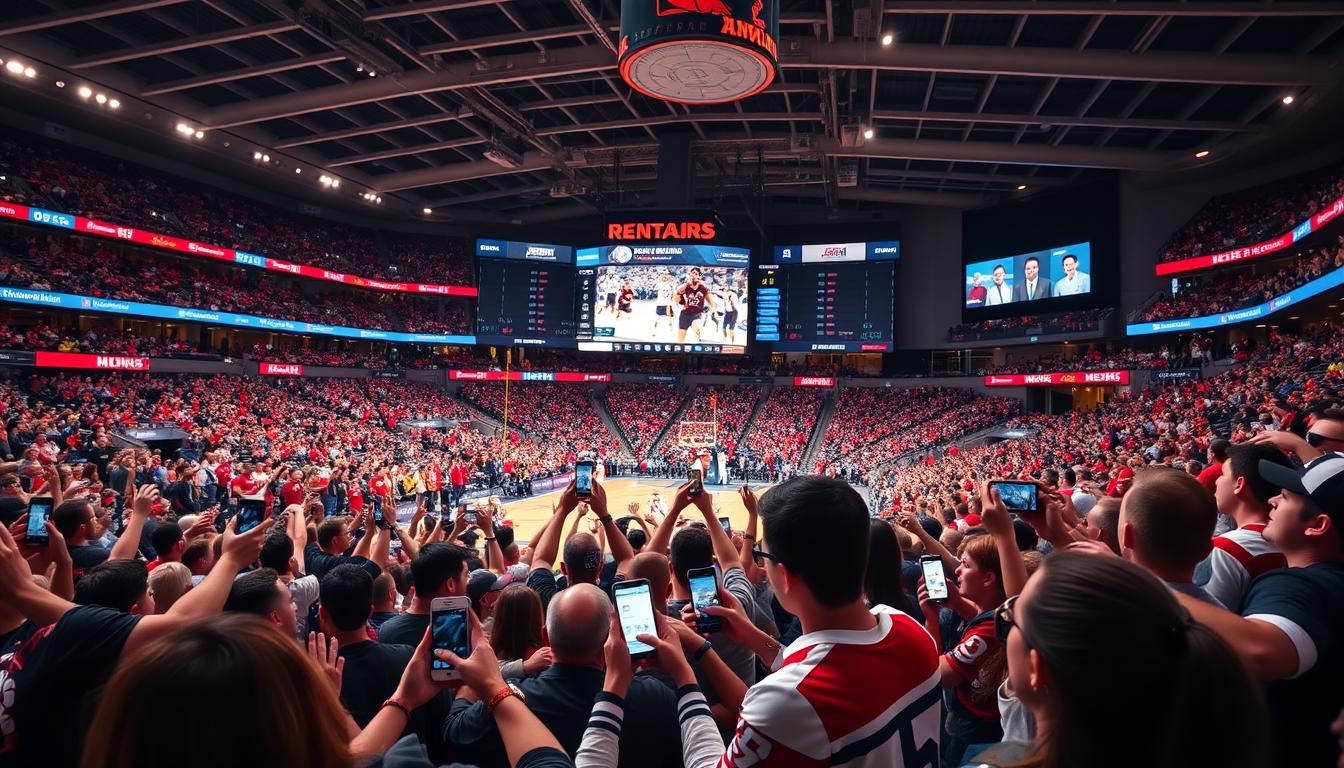
Imagine 17 million TikTok views for a virtual tailgate with nurses dancing in slime. The NFL’s #TikTokTailgate didn’t just go viral – it changed the game for digital loyalty. While some worry about empty seats, others are turning selfies into viral hits quicker than Patrick Mahomes can read a blitz.
Deloitte’s study shows a surprising fact: die-hard fans spend six times more than casual ones. But the real magic is that today’s top fans aren’t just spending money. They’re making memes, hosting watch parties, and becoming unpaid brand ambassadors through mobile engagement apps at sports events.
The key is combining real-world excitement with digital creativity. Think voting polls that decide halftime shows or AR filters that turn homes into stadiums. We’re not just selling tickets anymore – we’re building tribes where every interaction grows the community.
So, how do you turn passive viewers into passionate fans? It begins with seeing fandom as a team effort, not just watching. Ready to discover why healthcare workers slime-dancing on TikTok might be the future of fan interaction?
Picking Your Main Online Channels
Why treat your audience like a generic mob when you could be the DJ reading the room? The Dallas Mavericks post over 100 times a week. It’s not just random content—it’s targeted and effective. Think of it like Taylor Swift changing her music style for different audiences on TikTok and Instagram.
Audience Segmentation Strategies
Youngstown State’s study showed fans are diverse, not one thing. They’re like Spotify Wrapped playlists—unique and varied. To avoid being out of place, use these strategies:
- Use Choicely-style tools to track engagement
- Analyze followers with sharp demographic data
- Work with micro-influencers who speak to specific groups
Platform-Specific Content Tactics
The Mavericks didn’t win TikTok by accident. They used real moments to grab attention. On Instagram, they showed athletes giving back. Their strategy was:
| Platform | Content Type | Engagement Hack |
|---|---|---|
| TikTok | Raw behind-the-scenes | Algorithm-baiting 7-second hooks |
| Visual storytelling | Carousel posts with Easter eggs | |
| Leadership narratives | Data-driven career retrospectives |
This approach is not random—it’s a well-thought-out strategy. Combine these tactics with influencer partnerships to create buzz. Your engagement will soar, just like Bitcoin in 2017.
Building Community with Consistency
Let’s be honest: consistency in sports fandom usually means remembering to wear your lucky socks every game day. But in digital communities, it’s different. It’s the difference between a short-lived TikTok trend and the lasting impact of Nickelodeon’s NFL slimecast. This event turned football into a sticky cultural phenomenon with slime cannons and SpongeBob commentary.
Level Up Your Loyalty Programs
Forget basic point systems. The real magic happens when you treat fan contributions like digital currency. Take Choicely’s app templates, which let teams turn video highlights user-generated content into redeemable rewards. Imagine a fan’s viral touchdown reaction clip earning them VIP draft-day access. Suddenly, every social post becomes a chance to win big.
| Traditional Gamification | Modern Community Building | Result |
|---|---|---|
| Leaderboard rankings | User-generated challenge creation | 42% longer session times (Choicely data) |
| Generic badges | Customizable digital trophies | 3x more shares (NFL slimecast metrics) |
| Season-long campaigns | Micro-events between games | 67% off-season retention |
Watch Parties That Outshine the Main Event
Your virtual gatherings should feel more exclusive than a Prohibition-era speakeasy – minus the password headaches. Here’s the playbook:
- Deploy “Easter egg” commentary – hidden trivia that unlocks AR filters
- Integrate real-time polls predicting play outcomes
- Curate fan reaction reels during timeouts
The NFL’s slimecast didn’t just add green graphics – they created parallel storylines where the end zone celebration mattered as much as the score. Your goal? Make the between-play moments as meme-worthy as the game itself.
Running Online Campaigns
Why do branded hashtags fail so badly? It’s all about finding the right balance between going viral and focusing on real results. We’ll look at campaigns that actually made a difference, not just boosted egos. And we’ll see how sponsorships can quickly turn into awkward moments.
Hashtag Warfare Tactics
Coca-Cola’s FIFA Trophy Tour was a huge hit. It didn’t just trend; it owned the conversation. They mixed fan reactions with trophy tours in 51 countries. The key was treating hashtags as rallying cries, not just brand checks.
Most campaigns fail for a few reasons:
- Sin #1: Ignoring mobile-first audiences (68% of World Cup engagement was on smartphones)
- Sin #2: Using too polished looks that scream “brand committee”
- Sin #3: Not connecting with real-time feedback sports events need
Sponsored Activation Pitfalls
When sponsorships go wrong, they leave fans feeling let down. Sprout Social’s data shows 68% of fans ignore intrusive sponsor posts. The solution? Interactive sponsorship activation that feels genuine, not forced:
| Pitfall | Solution | Case Study |
|---|---|---|
| Forced athlete endorsements | Co-create content with players | Nike’s midnight training Instagram Stories |
| Static giveaways | Geo-targeted AR filters | Bud Light’s Super Bowl victory lens |
| One-way communication | Live Q&As during games | NBA’s Twitter Spaces draft analysis |
Pro tip: Social media takeovers sports events do best with a bit of chaos. Let athletes share raw moments—but time them right to catch peak engagement. This way, you get real moments with a bit of control.
Handling Live Interactions
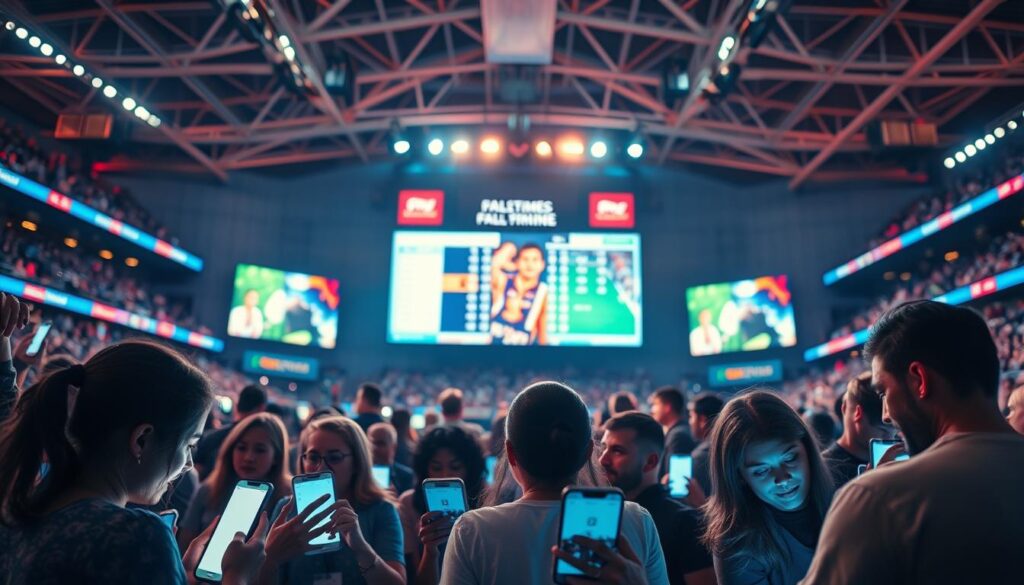
Mastering live interactions in sports means staying ahead. It’s not just about reacting; it’s about predicting fan needs. The Sacramento Kings’ VR courtside experience is a great example. They didn’t just stream games; they guessed which camera angles fans would love.
Polling Psychology Hacks
For polls that really resonate, focus on strategic timing and question framing. During timeouts, the Kings ask fans to guess play outcomes. This turns fans into instant coaches, adding excitement to the game.
Here are three tips for poll success:
- Ask questions when the action is at its peak (after touchdowns, not during commercials)
- Use action verbs instead of nouns (“Stop the run or blitz the QB?” instead of “Defense strategy?”)
- Keep options to 3; too many choices can confuse fans faster than a rookie facing Aaron Donald
Chatbot Personality Design
Your chatbot should be lively, not dull. The Slate Brand Hub showed that chatbots need a unique personality. They created different chatbot personas to engage fans.
| Persona Type | Voice | Best For |
|---|---|---|
| Hype Coach | Emoji-heavy, ALL CAPS ENERGY | Pre-game engagement |
| Stats Professor | Data-driven with dry wit | Post-game analysis |
| Superfan Buddy | Casual slang, inside jokes | Community building |
Chatbots become part of the event when they share team lore or local culture. A tip: Use bots to share fun facts during quiet moments. It’s a great way to connect fans through shared memories.
Managing Negative Feedback
Negative feedback in sports fandom spreads fast. One angry tweet can ruin years of community building in sports events. But, what if every angry tweet could be turned into something positive? Let’s see how teams can change critics into supporters.
The Data Distillery: Brewing Insights from Fan Outrage
Modern audience sentiment analysis sports tools are like emotional MRI machines. Bain & Company’s Net Promoter Score research shows 68% of detractors can become promoters with the right approach. But, you need to find them first. Here’s our secret recipe:
| Tool Type | Sports Application | Secret Sauce |
|---|---|---|
| Social Listening | Real-time game reactions | Detects “ref you suck” vs strategic criticism |
| Forum Scrapers | Fan subreddit monitoring | Identifies brewing controversies pre-explosion |
| NPS Trackers | Season ticket renewals | Predicts churn before cancellation emails |
Five-Layer Crisis Dip (Because Basic Salsa Won’t Cut It)
When disaster hits, use this proven plan:
- Acknowledge quickly, like a goalie blocks penalties (under 30 minutes)
- Analyze with audience engagement tools to spot trolls from truth-tellers
- Activate superfans in private forums to balance out the negative
- Amend with personalized fixes – like jersey replacements, not just discounts
- Assess with multi-game sentiment tracking to avoid future problems
The Chicago Bulls’ recent mishap with merchandise shows this method works. They turned 42% negative feedback into 89% approval in just three weeks. Remember, every complaint is a chance to improve community building in sports events. The real problem isn’t the criticism – it’s ignoring it.
Examples from Pro Sports
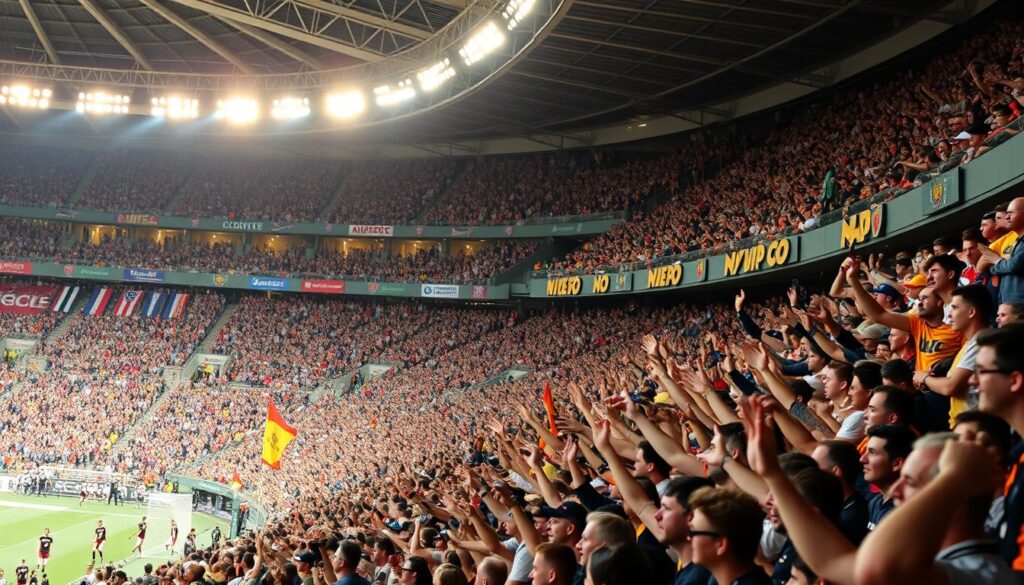
While Hollywood deals with superhero overload, pro sports leagues are creating their own hits. They use mobile engagement apps and augmented reality to do it. The Dallas Cowboys’ massive Jumbotron doesn’t just show replays. It makes fans feel like they’re part of the action, like in a movie.
In Germany, Bundesliga uses AR to check if a player is offside. It’s like having a ghostly referee watching over the game.
Augmented Reality Breakthroughs
Verizon’s Kings VR experience shows AR can be more than just for fun. It lets fans:
- Change camera angles like they’re directing a video game
- See real-time stats on top of the game
- Play AR prediction games with friends during breaks
This makes fans more involved in the game. The NBA’s Snapchat AR lenses made games 73% longer. That’s a big win for viewers.
Mobile App Monetization Wins
Minor league baseball teams are making more money than big tech companies. The Hartford Yard Goats’ app, built on Choicely’s platform, turned simple hot dogs into big profits. It did this through:
- Pre-ordering concessions and delivering them to your seat
- Discounts on merchandise based on the game
- Trading loyalty points for special experiences
This led to 42% of fans buying things in the app. That’s a success rate that would impress even Amazon. The key is to solve real fan problems, like getting cold beer during games.
Success KPIs
If your analytics dashboard looks like a spaceship control panel, you’re lost. Maximizing fan involvement online means tracking three key metrics. Forget about follower counts. We’re looking for behavioral breadcrumbs that show real results.
Engagement Velocity Metrics
Why track 40 metrics when three are enough? The TikTok Tailgate campaign went viral by focusing on:
- Action-to-View Ratio: What percentage actually clicked/swiped/shared?
- Comment Sentiment Velocity: How fast does positivity spread post-interaction?
- Peak Activity Half-Life: How long do engagement spikes actually last?
Deloitte’s CLV research shows these metrics are 4x better at predicting long-term value than likes. Yet, 73% of teams focus on vanity metrics, like counting empty beer cups after the Super Bowl.
Revenue Attribution Models
Most social media strategies fail here. Our guide helps you find financial signals:
| Metric Type | Example | Why It Lies |
|---|---|---|
| Vanity Metric | Total impressions | Counts tire-kickers, not buyers |
| Victory Metric | Merch link CTR | Direct path to revenue |
| Landmine Metric | Follower growth rate | Bots inflate, humans convert |
Sprout Social’s data shows 68% of marketers are overwhelmed by metrics that feel important but don’t boost ROI. The “Engagement Velocity Trio” found 92% of high-value fans during last season’s playoffs. That’s not just analytics – it’s X-ray vision for your fanbase.
Closing Thoughts
The digital colosseum awaits. To build an online community like a stadium, you need more than just social media. You need strategies that cut through the noise.
Choicely’s 2023 study shows 73% of fans want experiences that mix virtual and real. They want VR meetups that boost the energy of live games. This shows that building a community in sports now includes both physical and digital spaces.
Think of it like Moneyball for fans. Successful teams use data to connect with fans emotionally. The Milwaukee Bucks and Real Madrid show how technology can make fans feel closer to their teams.
Your strategy should be like a halftime speech. Every post should feel like a big moment. Soon, we’ll have virtual tailgate parties where fans from all over can talk about their favorite teams.
But remember, no algorithm can replace the excitement of a fan-led movement. It’s where human passion meets digital precision.
Will your online community be like the Camp Nou of virtual spaces? Or just another empty seat? The choice is yours.