
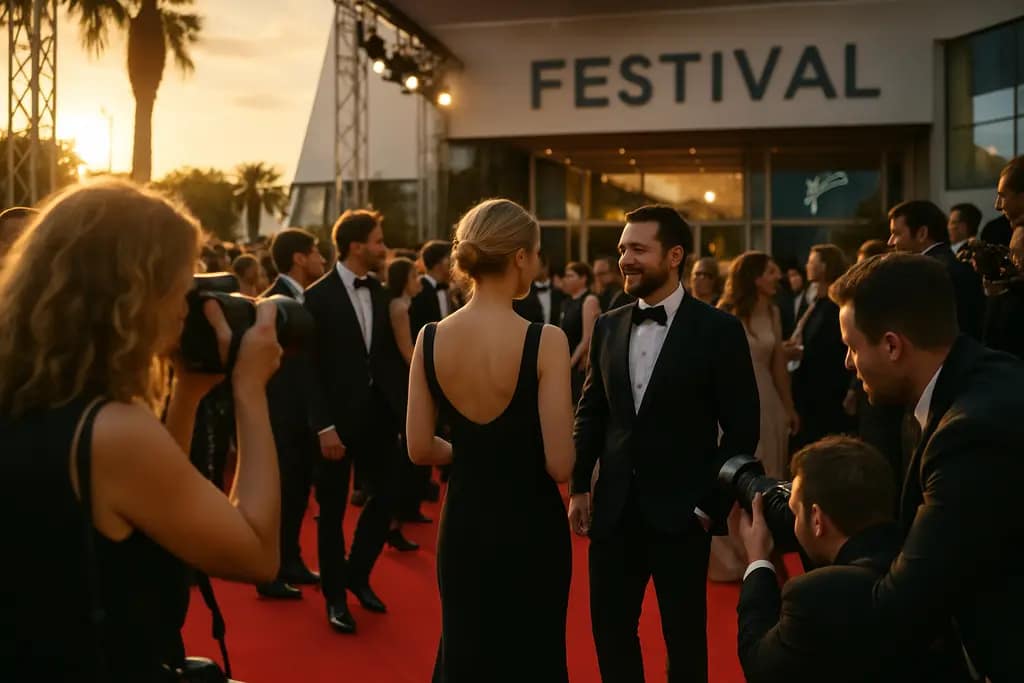
Studios used to treat award festival releases as a fairly stable opening act: premiere in late summer or fall, build reviews, use audience response as proof of life, then move into theatrical and guild-season campaigning. In 2026, that pattern looked less automatic. The Academy has confirmed that films seeking eligibility for the 99th Oscars must have a qualifying theatrical release between January 1, 2026 and December 31, 2026, according to the Academy rules. That confirmed calendar window keeps theatrical timing central, but it does not settle the harder strategy question: whether a studio should expose a film to a major festival audience before the theatrical campaign begins.
Confirmed: festival visibility still matters. Market-analysis: the value of that visibility is now judged against risk, audience segmentation, release costs, and the public meaning of a studio’s calendar move. A festival premiere can create cultural legitimacy. It can also create an early verdict before a distributor has had time to frame the film for broader audiences. That tension is reshaping how studios think about awards strategy, not as a ceremonial tradition, but as an analytics problem tied to attention, sentiment, and theatrical conversion.
How Award Festival Releases Changed The Calendar
Award Festival Releases As Signal And Exposure
Confirmed: the Academy’s qualifying window places the awards calendar inside the 2026 release year. That gives studios a hard boundary, but the campaign route inside that boundary is more flexible than the old prestige template suggested. A film can still move through festivals, then limited release, then wider expansion. Yet studios may also choose a more direct theatrical route if they believe that public marketing, critic screenings, and controlled audience-building offer a better risk profile.
Market-analysis: award festival releases now operate as signals to several audiences at once. For critics, they say a film is ready for judgment. For industry voters, they suggest seriousness and confidence. For fans, they can turn a film into a social conversation before release. For rivals, they reveal timing, positioning, and possible strengths or weaknesses. That makes the festival decision less like a ceremonial booking and more like a public data event.
The shift does not mean festivals are losing all awards value. It means studios are less likely to assume that every prestige film benefits from the same path. A film with strong audience accessibility may benefit from festival applause and immediate social amplification. A more polarizing title may face a tougher equation: early attention can help, but early negativity can narrow the audience before the distributor has built context.
TIFF Audience Signals And The Studio Risk Model
Why The People’s Choice Award Still Carries Weight
Confirmed: “La Bola Negra” won the People’s Choice Award at the Toronto International Film Festival on September 20, 2026. The Associated Press reported that, since 2012, nearly all TIFF People’s Choice winners have gone on to Best Picture nominations, placing the film on a recognized Oscar path through audience approval at a major fall festival, as covered by the Associated Press.
That fact matters because TIFF’s audience prize is not only a critic-facing credential. It is a measurement of emotional response from festivalgoers, which can be especially useful for awards strategists trying to identify broad appeal. In awards campaigns, broad appeal is not the same as box-office scale. It is the ability to give voters, journalists, and early audiences a simple story to repeat: people saw the film, responded to it, and carried that response into the wider conversation.
Market-analysis: this is where analytics and cultural reception meet. Studios track sentiment, review language, search interest, trailer engagement, and social discussion, but a visible festival win can compress all of that into an easy campaign message. The danger is that the same compression works in reverse. A poor reception can become the public story before the film reaches general audiences. That is why some studios may treat festival exposure as a selective tool rather than a default requirement.
Why Timing Now Acts Like Public Messaging
Calendar Moves Are Read By Fans And Rivals
Opinion, grounded in the confirmed eligibility structure: release timing is now part of the film’s public identity. A late-year release can suggest awards confidence. A festival bow can suggest prestige ambition. A decision to skip festivals may suggest commercial confidence, caution, or a belief that the film’s audience is better built through theaters and marketing rather than early festival debate. None of those interpretations is guaranteed, but they show how closely fans and industry observers read calendar moves.
This is a major change in fan engagement. Film audiences no longer encounter awards strategy only through nominations. They see it unfold through premiere announcements, review embargoes, social clips, standing-ovation discourse, release-date changes, and the placement of films in crowded fall corridors. The campaign becomes part of the viewing experience. Fans read the strategy before they see the movie.
Market-analysis: studios are responding to a culture in which the first wave of reception can define a title quickly. That does not make festivals unsafe by default. It makes them high-impact. A strong premiere can sharpen messaging and help distributors prioritize markets. A mixed response can force a campaign reset. For studios managing awards spend, that difference affects advertising, talent availability, screening plans, and whether a film is framed as a critics’ contender, an audience contender, or a craft-category play.
Distribution Choices And Fan Engagement
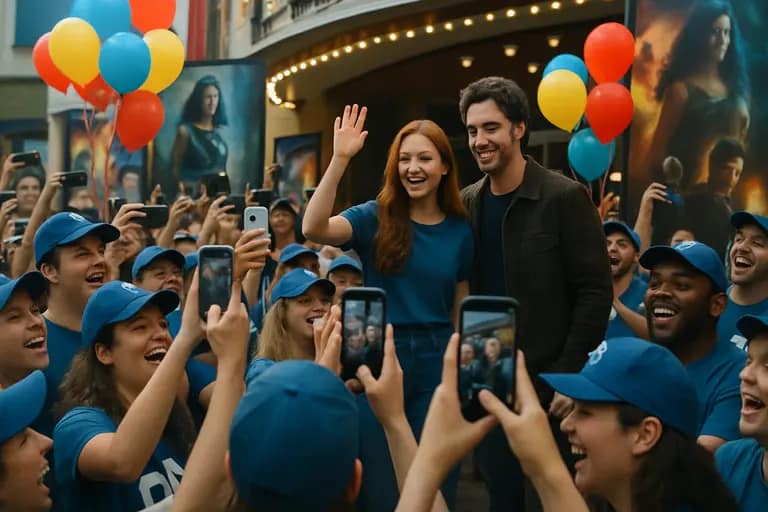
Theatrical Release Still Anchors The Strategy
Confirmed: for the 99th Oscars, a qualifying theatrical release inside the 2026 calendar year is required. That places theatrical distribution at the center of eligibility even as campaigns rely heavily on digital conversation. The theater is not only a legal checkpoint for awards qualification; it is also a cultural proof point. A theatrical release gives campaigns a public moment that can be reviewed, attended, debated, and measured.
Market-analysis: the relationship between festivals and theatrical release now tends to fall into a few strategic patterns:
- Festival-first: a studio uses a premiere to generate reviews, audience buzz, and awards identity before release.
- Theatrical-first: a distributor protects the first public impression for ticket buyers and critics closer to release.
- Selective festival use: a film appears at one targeted festival rather than pursuing a full fall circuit.
- Audience-prize positioning: a campaign leans on visible audience response, especially when it supports a Best Picture argument.
Each path carries a different relationship with fans. Festival-first strategies often invite cinephile communities to act as early translators for the film. Theatrical-first strategies ask broader audiences to form the opening verdict. Selective festival strategies try to capture prestige while limiting overexposure. None is automatically superior. The stronger choice depends on the film’s tone, distributor resources, talent schedule, likely critical split, and the intended voter narrative.
For more insights into festival and awards culture, you can visit a related site in the network, BIFF Award, which provides valuable perspective on how awards attention disseminates across specialized media spaces. This ecosystem is vital as awards campaigns are no longer driven solely by trade headlines. They expand through fan channels, podcasts, regional outlets, festival circles, and social platforms.
Award Festival Releases And Studio Strategy
The practical lesson for studios is not to abandon award festival releases. It is to treat them as campaign infrastructure with measurable upside and downside. A festival premiere can create urgency, credibility, and audience language. It can also expose uncertainty too early. A theatrical launch can create a cleaner public moment, but it may lack the cultural validation that major festivals can provide.
Confirmed facts set the frame: the Academy’s 2026 eligibility window makes release timing non-negotiable, and TIFF’s 2026 People’s Choice result shows that a fall audience win can still carry awards meaning. The strategy inside that frame is where studios now have to be more disciplined. They need to know which audience should see the film first, what kind of reaction the campaign can absorb, and whether early festival heat will help the film reach voters or trap it inside a narrow awards conversation.
For analysts, the most useful takeaway is that awards strategy has become a timing-and-reception model. Studios are not simply choosing dates; they are choosing the order in which critics, festivalgoers, fans, voters, and general audiences get to shape the story. That order can affect momentum as much as the film itself.


