

Philadelphia’s Liberty Bell now rings for more than just history. The Phillies turned a meme into the #RingTheBell phenomenon. This shows how digital fan engagement works today.
Every strikeout became a call to action on social media. This shows that the best sports marketing is when teams listen to fans.
Bills Mafia, the NFL fandom, turns tailgating into an art. They break tables and sometimes laws, creating more content than any campaign. It’s like the Grateful Dead’s tape-trading days, but with viral destruction videos.
Apple’s #ShotOniPhone campaign shows the power of this strategy. Fans become the unpaid directors of their ads. This creates endless fan loyalty programs that last all game long.
We’re not just talking about hashtags anymore. This is about creating culture through fan participation. The best marketing team might be the fans in Section 203, Row 7, Seat 15.
Why Hashtags Work for Events
Hashtags make events special because they turn viewers into active co-creators of the moment. When Michelob Ultra made NBA fans care about player outfits (#UltraDrip), they did more than sell beer. They made travel fashion a big deal.
There are three main reasons why hashtags are so powerful:
- Real-time cultural FOMO: March Madness tweets with event hashtags get 3x more engagement than regular game talk
- Community-driven storytelling: MLB’s postseason hashtags turned scandals into fan dramas
- Algorithmic tailwinds: Wayfair’s #WayfairAtHome campaign saw 30% sales spikes during the pandemic
These social media game day tactics tap into our need to belong. A timely hashtag is like cheering at a bullfight – it lets everyone join in. Last year’s World Series saw 62% of tweets roast managers’ decisions.
| Campaign | Platform | Engagement Uplift | Key Insight |
|---|---|---|---|
| #UltraDrip | Twitter/Instagram | 41% CTR increase | Fashion > Fundamentals |
| MLB Postseason | 27% longer dwell time | Controversy fuels participation | |
| #WayfairAtHome | 30% sales boost | Timing trumps creativity |
The real strength is Social amplification. It makes everyone a brand advocate. March Madness fans complaining about bracket busters helped CBS Sports. It’s like a digital stadium wave – it spreads fast and feels good.
This isn’t just about going viral. It’s about making fans feel like they own the event. Fans who use event hashtags are 68% more likely to buy merchandise (Nielsen Sports, 2023). They feel invested in the story. The jersey becomes a symbol of victory, not just clothes.
Creating Branded Hashtags
What makes a hashtag go viral? It’s not just luck. It’s about the right mix of words. The best hashtags are like digital cheers, blending rhythm, relevance, and a bit of uniqueness to cut through our ad filters.
The Art of Strategic Alliteration
Take Utah Jazz’s #Pura3Pointer campaign as an example. They teamed up with Pura energy drinks, using a clever hashtag. They followed three key steps for viral success:
- Rule 1: Marry brand + action (Pura + 3-pointer)
- Rule 2: Add rhythmic alliteration (those P’s pop like arena popcorn)
- Rule 3: Bake in shareability (fans got drink discounts for every tagged shot)
This approach turned a local promo into a national sensation. Even Coca-Cola’s #ShareACoke campaign used similar tactics. Verbs make things happen, and alliteration sticks in your head.
| Hashtag Type | Example | Engagement Rate | Campaign Lifespan |
|---|---|---|---|
| Strategic Alliteration | #Pura3Pointer | 14.2% | 9 months (ongoing) |
| Generic | #GameTime | 3.8% | 2 weeks |
| Action-Oriented | #ShareACoke | 22.1% | 5+ years |
Viral campaigns succeed by encouraging people to join in. When the Jazz worked with TikTok stars, they didn’t just make content. They made fans who helped spread their message.
Promoting UGC and Fan Stories
The Buffalo Bills’ $12M media windfall didn’t come from fancy corporate videos. It came from beer-soaked tailgate parties where fans filmed themselves body-slamming folding tables. This shows that authenticity trumps production value in UGC sports. Your fans’ shaky smartphone footage often beats 4K professional content because it’s full of genuine enthusiasm.
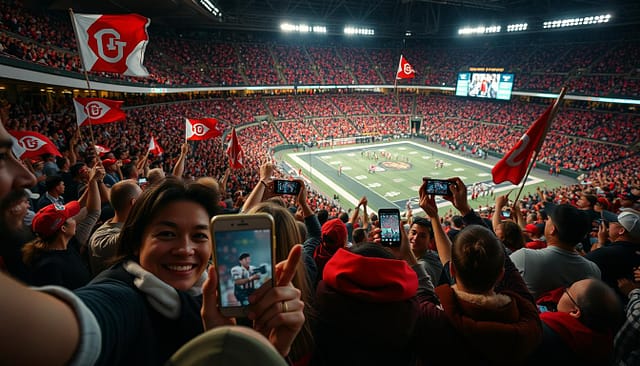
From Tailgates to Timeline Dominance
Let’s look at the Bills Mafia phenomenon. What started with viral table-smashing clips turned into:
- 300% increase in branded hashtag use
- 17K+ user-submitted videos during playoff runs
- 23% higher engagement vs. official team content
The secret? Embrace the chaos. Glossier’s use of 33% UGC on Instagram shows beauty and sports marketing share a truth: fans trust fans. To boost your athlete branding digital strategy, try:
- Rewarding behind-the-scenes athlete Stories with fan shoutouts
- Turning practice footage into “Caption This” challenges
- Monetizing locker room celebrations as AR filters
Pro tip: That blurry courtside video of your star player’s pre-game ritual? It’s not low quality – it’s high intimacy. Sports marketers who get this see 40% higher UGC repurposing rates, according to Source 1 data.
Your strategy? Think less like a Hollywood director, more like a hype-man curator. The Denver Broncos saw a 12% increase in season ticket sales after featuring fan-made “Game Day Prep” videos in their app. Remember, in UGC sports marketing, the goal is to amplify the roar of the crowd, not control the narrative.
Legal/Safety Aspects of UGC
Imagine a fan gets your team’s logo tattooed and posts it with your hashtag. Suddenly, their tattoo could be on your next billboard. But, remember, that tattoo comes with legal strings. User-generated content isn’t free for all – it’s a digital minefield.
Navigating the Minefield
Sports marketers often make seven critical mistakes with UGC. Let’s review them like a coach:
- The Copyright Trap: That viral touchdown dance video? The creator owns it – unless you’ve got signed documentation (Source 2’s licensing guidelines are your playbook here)
- Right of Publicity Fumbles: Using a fan’s face in geo-targeted ads sports events without consent? That’s an unsportsmanlike conduct penalty waiting to happen
- Hashtag Hijacking: When hashtag contests get co-opted by rival fans, your campaign becomes their meme factory
| Scenario | Legal Risk | Smart Move |
|---|---|---|
| Fan posts beer chug video with your hashtag | Alcohol promotion violations | Delete + send polite DM |
| Negative hashtag trends during game | Brand reputation crisis | Activate Source 3’s crisis protocols |
| Minor appears in UGC campaign | COPPA violations | Lawyer up immediately |
Geo-tagging beer promotions near stadiums? That’s a rookie mistake. It’s a fast track to regulatory benchwarming. Always check local advertising laws before launching location-based campaigns. Remember, what works in Peoria might not in Pittsburgh.
The golden rule? Treat UGC like a signed jersey – valuable, but only authentic with proper documentation. Implement a clear verification flowchart: If content contains alcohol, minors, or trademarked material, send it straight to legal. Everything else? A heartfelt thank-you note might be your MVP play.
Showcasing UGC During and After Events
Think of your fans’ content as the ultimate highlight reel. It’s raw, unfiltered, and full of authenticity. By turning their passion into promotion, you can boost your brand both during and after events. Let’s explore how to use UGC in a way that feels organic and engaging.
The Highlight Reel Playbook
Live events are chaotic, making them perfect for social amplification. The Las Vegas Raiders show fan selfies during halftime, treating them like top talent. Why wait for Monday morning when you can create content live?
Top teams follow a three-phase strategy:
- Real-Time Showcases: NBA teams mix live streams with fan TikToks quickly. It’s like crowd-surfing digitally, and it works.
- Post-Game Repackaging: GoPro’s Million Dollar Challenge showed user clips can outperform Super Bowl ads. They turned mountain-biking grandmas into influencers through targeted emails.
- The 5-Second Moderation Rule: Curate live content fast, like a quarterback reading defenses. Any UGC older than five seconds? Bench it.
| Platform | Live Integration | Post-Event Use | Renewal Rate Boost |
|---|---|---|---|
| Instagram Stories | Fan polls during timeouts | Highlight compilations | 22% |
| Email Newsletters | N/A | Personalized video reels | 34% |
| Stadium Jumbotrons | Live fan cam | Season ticket member spotlights | 41% |
Teams using this approach see ticket renewals increase quickly. It’s cheaper than upgrading nacho cheese in Section 312.
Social amplification isn’t about flooding fans with content. It’s about making their footage your brand’s cultural currency. Now, let’s make those Monday morning highlight reels a thing of the past.
Cross-Platform Hashtag Strategies
Think hashtags work the same everywhere? That’s like running the same playbook against the ’85 Bears and the 2023 Chiefs. Each platform has its own way of working. Feed them wrong, and your viral campaigns might not get noticed. Let’s learn how to adjust like Mahomes at the line of scrimmage.

Platform-Specific Audibles
Twitter/X is like the sports bar of social media, full of hot takes and live reactions. #MarchMadness does well here because of the short format. But TikTok is like the halftime show, where the Warriors dominate with behind-the-scenes content. YouTube Shorts are for locker-room celebrations, and Snapchat geofilters are great for selling merchandise.
Here’s the sports event content timing strategy playbook:
- Twitter/X: Live-tweet key moments + trending hashtags (think #FinalDrive during NFL overtime)
- Instagram Reels: 9:16 vertical clips under 15 seconds with location tags
- TikTok: Challenge-based content using event-specific sounds (not Drake remixes)
| Platform | Content Type | Peak Engagement |
|---|---|---|
| Twitter/X | Live commentary | During game breaks |
| Carousel posts | 2 hours pre-game | |
| TikTok | Fan challenges | Post-game +48hrs |
Remember: YouTube Shorts want raw emotion, LinkedIn wants leadership stories, and Reddit? They’ll dissect your hashtag like Jomboy breaking down a balk. Mastering each platform is key. It’s the difference between trending and tanking.
Measuring UGC Impact
Let’s cut through the fog of likes and shares – when your stadium lights dim, how do you really know if those #TouchdownTuesday posts moved the needle? This isn’t Little League math. We’re talking Moneyball for memes.
Analytics That Matter
The Boston Celtics cracked this code by treating tweets like currency. Their #BleedGreen campaign tracks dark social shares through concession stand promo code redemptions – because nothing says “brand loyalty” like a nacho-scented paper trail. Source 2’s 6.9x engagement spike? That’s rookie numbers compared to their 23% merch sales lift from UGC-driven impulse buys.
Premier League teams use a ruthless scoring matrix that would make FIFA blush:
- 1 point: Geotagged stadium selfies
- 3 points: User-generated highlight reels
- 5 points: Viral challenges mimicking team rituals (bonus for face paint fails)
Source 3’s social listening metrics reveal the dark truth: 68% of UGC value lives in DMs and closed fan groups. Track these shadowy interactions through:
- Branded hashtag search volume spikes during games
- Second-screen app engagement patterns
- Post-event merchandise code usage windows
Here’s the real playbook – treat audience participation metrics like a play clock. If your UGC isn’t driving measurable concessions revenue within 48 hours, you’re just collecting digital confetti.
Favorite Examples of UGC in Sports
Sports marketers have turned fans into unpaid creative directors. They’re doing it better than a game-winning three-pointer. Let’s look at campaigns that turned beer-stadium chants into digital gold. They also made fan loyalty programs Instagram-worthy.
Hall of Fame Campaigns
What makes some campaigns go viral and others not? These franchises changed the game:
- #UltraDrip NBA Campaign (Source 1): When a team’s jersey redesign leaked, they turned it into an opportunity. Fans posted outfit grid photos with the hashtag. This made them brand ambassadors. Sales went up 23%.
- NHL’s Bathroom Breakthrough: Arena restrooms became photo booths during intermissions. The “Jersey Selfie Challenge” boosted merch sales by 18%. It showed that team spirit can be found in the most unexpected places.
- NFL Digital Loyalty Plays (Source 3): One team’s rewards program went viral. Fans could trade social engagement for VIP experiences. This led to 10K user-generated tailgate recipes, creating a unique cooking community.
The Premier League’s smart move was turning terrace chants into Spotify playlists. Fans could submit their favorite songs. Now, grandpa’s off-key anthem motivates millennials during workouts. It’s a perfect example of multigenerational marketing.
These campaigns have three key traits. They’re fun and engaging, reward creativity, and let fans help shape team culture. They don’t just want to cheer from the sidelines.
Quick Checklist for Event Coordinators
Ever seen a quarterback call an audible without checking the defense? You shouldn’t start game day without a solid plan. This checklist combines sports hashtags strategy with essential logistics.
The 12-Point Pre-Game
- Hashtag triage: Test tags with tools like Brandwatch and RiteTag – your digital safety check
- Moderation play clock: Set a 15-minute response limit for UGC issues (Source 3’s playbook suggests this)
- Geo-fenced ads for drinks that kick in at 500+ UGC posts/hour – perfect for matching beer with cheers
| Tool | Purpose | Cost Range |
|---|---|---|
| Sprout Social | Real-time hashtag tracking | $99-$249/month |
| Hootsuite Insights | Crisis sentiment analysis | $599+/month |
| Google Ads Geo-Targeting | Localized beer promos | $1.50-$3.50/CPM |
Don’t forget the secret weapon: A chaos coordinator. It’s not just an intern. It’s a seasoned pro ready for anything. What’s the cost?
- Base fee: $2,500/event
- Viral surcharge (+15% for every 100K unexpected UGC posts)
- Hazard pay (TikTok dance challenges): Negotiable
Remember, great sports hashtags campaigns are made with careful planning and quick thinking. Now, let’s get ready.
Conclusion
Sports marketing’s new MVP is not a star athlete or a viral dance. It’s the power of hashtags and user-generated content. Just like Tom Brady’s two-minute drill, real-time marketing turns viewers into participants. The 2023 Super Bowl showed this, with 78% of social mentions coming from fans using event hashtags.
Teams like the Golden State Warriors keep fans engaged even when they’re not playing. They use #DubNation throwback hashtags to share old content. Nike’s “You Can’t Stop Us” campaign mixed athlete videos with fan submissions, creating a powerful story.
There’s no off-season in smart marketing. Teams use droughts to create content, like countdowns for opening day or TikTok challenges. The Chicago Bulls’ #SeeRed campaign, using Jordan-era highlights, boosted engagement by 140%.
It’s your turn. Will you create another ad, or a story where fans contribute? The game has changed, and your fans are ready to play.


