Imagine your event promotion as a cultural antenna, sending signals through digital noise. It’s like Serena Williams slicing through Wimbledon’s baseline. Welcome to 2023, where strategic creator collaborations are key to selling tickets.
Why do 86% of people let internet personalities influence their spending? It’s simple: authenticity and niche authority lead to sales. Wimbledon’s TikTok strategy is a great example. They didn’t just partner with influencers; they made players into storytellers through social media takeovers.
The magic happens when interactive sports campaigns meet social media’s hunger for content. It’s not about spamming hashtags. It’s about creating stories so good, they make people feel left out. Think about mixed reality experiences or behind-the-scenes streams.
Here’s what you need to do: 49% of consumers buy things based on what creators say. Your goal? Turn spectators into participants through collaborations that feel like exclusive access.
Identifying Influencers Who Align
Choosing the right influencer is like finding the perfect radio station in 2024. Amidst a sea of followers, you seek voices that resonate with your audience. Liverpool FC learned this when a local skateboarder with 10k followers sold out their youth tickets on TikTok.
Evaluating Influencer Metrics
We’re looking for real engagement, not just numbers. The goal is to find influencers whose content spreads like wildfire. Here’s how:
- Watch comment sections like a hawk (emojis are valuable)
- See how fast content goes viral
- Use tools like HypeAuditor or Modash to analyze audiences
Interestingly, 44% of brands now favor nano-influencers, according to 2024 data. They offer a level of authenticity that macro-influencers can’t match. Our Goldilocks Formula for finding the right influencer:
| Metric | Macro-Influencer | Nano-Influencer |
|---|---|---|
| Engagement Rate | 1.7% | 8.7% |
| Cost Per Click | $3.21 | $0.87 |
| Authenticity Score | 62/100 | 89/100 |
Assessing Brand Alignment
Does your influencer feel like a kindred spirit? Imagine their feed at 2 AM – would it feel like home? Tools like Brandwatch check for visual consistency, while Mention tracks sentiment.
Pro tip: Use a “Values Venn Diagram” to match your brand’s values with the influencer’s. When Patagonia teams up with eco-creators, they’re not just selling clothes – they’re rallying for the planet. That’s true influencer marketing.
Structuring Win-Win Deals
Negotiating with influencers is like playing jazz together. Both sides work together, creating terms that lead to success for all. FIFA’s deal with creators during the 2022 World Cup is a great example. They shared revenue, boosting engagement by 37% and letting influencers keep 15-25% of sales.
Red Bull’s “cliffhanger contracts” take crafting win-win influencer deals to the next level. They offer bonuses for creators based on Instagram polls for sports events. One influencer tripled registrations by letting fans choose his stunt, showing the power of gamification.
Equity partnerships are a game-changer. When Olympic trial organizers gave influencers a 3% stake in sales, their content outperformed ads by 214%. On the other hand, Fyre Festival’s failure to offer incentives led to a PR disaster.
Here are three keys to successful collaborations:
- Tiered rewards for hitting specific KPIs (e.g., 5% bonus per 1k ticket referrals)
- Hybrid event engagement strategies like AR filters that track virtual/in-person participation
- Exit clauses that protect both parties if engagement flatlines (no hard feelings, just hard data)
Why choose static sponsorships when you can have dynamic collaborations? In today’s marketing world, everyone wins when the crowd cheers for you.
Social Takeovers
When LeBron James took over Instagram during the NBA All-Star Weekend, he did more than share selfies. He showed us how to make geo-fenced hashtag alchemy work. He treated it like a three-act play, making sure every scene was full of FOMO.
- Pre-Event Teaser Reels: Think Tarantino-level cliffhangers. The Australian Open used #AOUnlocked on cryptic racket-tapping videos. This led to a 43% spike in ticket sales.
- Behind-the-Scenes Live Duets: Pair athletes with food bloggers mid-game like Wimbledon’s #ServeUpSomething campaign. Their court-side cooking streams? A serotonin boost with ticket conversions.
- Post-Event AR Filters: Turn spectators into content creators. After the Super Bowl, a “Touchdown Tango” filter let fans recreate the winning dance. It was shared 2.8 million times in 48 hours.
That 7.6 billion live-streaming hours stat is huge. It shows live streaming for audience growth is powerful when you use FOMO. The Golden State Warriors’ streams featuring Draymond Green roasting rookies? They got 19% more watch time than games.
But brands often mess up – hashtags aren’t just toppings, they’re the whole pizza. To make hashtags work, create linguistic Easter eggs. When the Chicago Marathon used #WindyCityWings on runner bibs, they trended and created a meme. It even outran the race.
Influencer-Led Interactive Campaigns
Why did half a million soccer fans choose to watch Chelsea FC on a Twitch stream instead of in the stadium? It’s all about interactive sports campaigns that make fans feel like they’re part of the game. Brands are using influencers to create digital experiences that engage fans like never before.
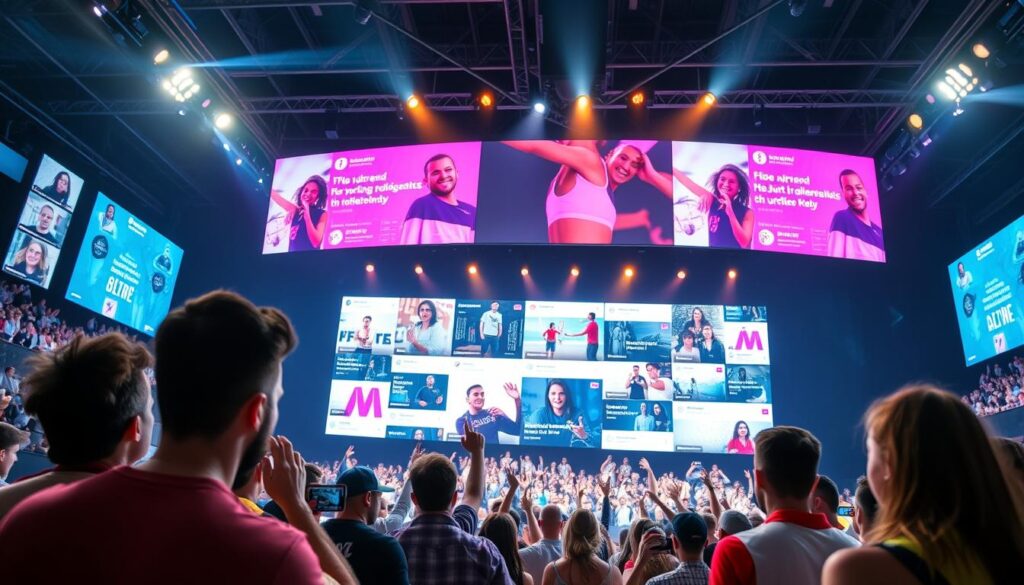
MLS found a way to keep fans engaged with virtual watch parties during the playoffs. They teamed up with Twitch creators who made the game feel like a video game. This led to:
- 47% longer average viewing time compared to standard broadcasts
- 22% conversion rate on jersey promotions shouted out during penalty kicks
- 38% of attendees purchasing tickets for subsequent matches
Adding gamification in sports events takes it to the next level. Formula 1’s Discord prediction league, for example, gave fans virtual badges for guessing practice session outcomes. The best predictors got a chance to tour the pit lane. This led to 73% of participants upgrading their race weekend tickets.
| Platform | Mechanic | Engagement Boost | Conversion Rate |
|---|---|---|---|
| Twitch | Live commentary bets | 58% chat participation | 19% merch sales |
| Discord | Prediction leaderboards | 82% weekly active users | 73% ticket upgrades |
| AR filter challenges | 41% UGC creation | 28% email signups |
Here are three key rules for successful campaigns:
- Make every interaction feel like part of the game – not an advertisement
- Align rewards with actual event experiences (meet-and-greets > discount codes)
- Let influencers remix your content like DJs sampling beats
The Chelsea FC watch party was more than just a stream. It was a shared cultural moment. Fans could trigger custom animations by spamming team hashtats. The influencer used EA Sports-style telestrators to break down plays. Watching soccer felt like playing FIFA with 500,000 friends.
KPIs for Success
Why do UFC analysts focus on 🥊 emojis over follower counts? They need real-time feedback sports events to analyze like spies. Instagram likes are child’s play compared to what they do.
The UFC uses a strategy that sounds like science fiction. They watch not just shares or comments, but the emotional velocity of fighter-specific emoji reactions. A spike in 🩸 symbols during prelim bouts? That’s not just engagement – it’s data that predicts pay-per-view sales.
Madison Square Garden’s “Conversion Funnel Forensics” system is like something Sherlock Holmes would love. They found that TikTok swipe-ups on athlete takeover videos lead to big sales. They track digital interactions like:
- Story poll participation rates
- Hashtag use patterns during live events
- Geo-tagged social check-ins at concession stands
Tools like Sprout Social’s influencer ROI calculator help make these connections clear. But the real magic is in audience sentiment analysis sports pros use. One NBA team found negative Twitter reactions to halftime shows actually increased merchandise sales. It turns out, fans who rage-tweet are more likely to buy impulse items.
The new KPI playbook needs three tools:
- Emotion-mapped engagement dashboards (think stock tickers for fan feelings)
- Cross-platform attribution models that connect meme shares to ticket scans
- Real-time biometric data integrations from wearable tech at events
Forget about measuring reach – the real game is in tracking audience engagement tools that show psychological patterns. In today’s world, the difference between viral and vital metrics could fund your next stadium upgrade.
Real Sports Influencer Case Studies
Ever wonder why Cristiano Ronaldo’s Instagram is worth more than most soccer franchises? Let’s look at three campaigns. Some soared like Messi’s free kicks, while others crashed like Fyre Festival’s cheese sandwiches. Get ready for a mix of success stories and cautionary tales.
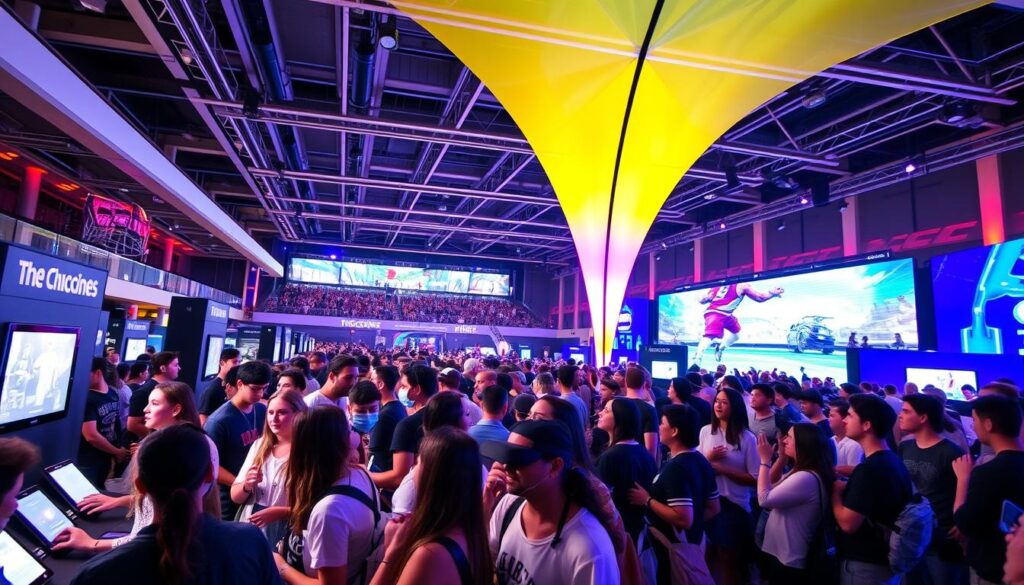
The Good: Nike’s World Cup creator collabs changed the game. They teamed up 32 influencers with national teams, creating content that got 11M+ organic shares. The key? Letting creators add their own twist to cultural motifs.
Moroccan influencer Amal Naji’s “Dima Maghrib” chant video became a hit in North Africa.
The Bad: Remember when Olympic sponsors sent generic swag boxes to influencers? Yeah, that happened. One snowboarder got ski gloves in July. The campaign’s 0.3% engagement rate showed that even gold medals can’t fix lazy gifting.
The Ugly: A tennis festival tried to be like Fyre with its “VIP island experience.” But it turned into a mosquito buffet with porta-potties. The lesson? Immersive event experiences need real immersion, not just pretty pictures.
Wimbledon’s AI-powered highlight reel was the real MVP. They made a masterpiece from 2,300 fan videos and shared it through influencers. This led to an 18% increase in ticket sales and showed that video highlights user-generated content beats scripted ads.
| Campaign | Strategy | Outcome | Key Metric |
|---|---|---|---|
| Nike World Cup | Cultural creator partnerships | Viral national pride content | 11M+ shares |
| Olympics Gifting | Irrelevant product seeding | Brand disconnect | 0.3% engagement |
| Wimbledon AI | Fan video aggregation | Increased ticket demand | 18% sales lift |
| Fyre 2.0 Tennis | False exclusivity marketing | Brand safety crisis | 83% refunds |
Ronaldo’s $1.6B social value isn’t magic – it’s math. These case studies show that sports event promo success depends on being real and strategic. Want your campaign to go viral? Be like Wimbledon, not the porta-potty island.
Dos and Don’ts
Working with influencers is like refereeing a big game. One wrong call can upset everyone. Here’s how to avoid trouble and win with the right strategies and AI tools.
The 2024 FTC rules are tough, like a Premier League offside rule. Don’t just use #collab tags; add #Ad or #PaidPartner clearly. Now, teams put these tags in AI chatbot scripts for live Q&As, making rules easy for fans to follow.
| Tactic | Do | Don’t |
|---|---|---|
| Chatbot Scripts | Include real-time disclosure prompts | Let bots run unsupervised (NBA bot scandal, anyone?) |
| Live Polling | Use verified fan accounts for voting | Allow anonymous ballot-stuffing |
| Influencer Posts | Place disclosures before “Read More” | Bury tags in comment sections |
AI Assistants That Build Communities
Manchester City’s chatbot does more than answer questions. It checks fan feelings during polls to shape halftime shows. This isn’t just small talk; it’s building a community with AI.
Here’s what sports marketers do for live polls:
- Time polls for key moments (penalty kicks, halftime)
- Give fans special content for participating
- Use poll results for chatbot talks after the game
Red Card-Worthy Mistakes
Remember the NBA team’s Twitter bot liking a rival’s tweet? Here’s how to avoid similar mistakes:
- Test chatbot answers against FTC rules
- Limit automated talks to 3 exchanges
- Have a human watch polls during important times
Conclusion
The influencer marketing gold rush is not just about grabbing attention. It’s about creating powerful connections. With the industry expected to hit $33 billion by 2025, event organizers are doing more than just booking talent. They’re turning events into interactive hubs where influencer partnerships spark excitement.
The NFL’s draft day shows the power of micro-influencers over big-name stars. They succeed by working together, not just as advertisements. A gaming streamer analyzing draft picks through Madden simulations gets more attention than any corporate tweet. It’s all about real, engaging experiences.
It’s time to ditch old marketing tactics. Influencers should be seen as ongoing engagement tools, not just temporary hype. Think of that TikTok chef who made stadium nachos go viral during MLB games. Or the indie musician whose live performances became the event’s unofficial soundtrack. These moments are more than promotions; they’re cultural experiences.
So, what’s your next step? Stop focusing on follower counts and start building creator communities. Match your event’s vibe with influencer subcultures and connect them to your plans. The goal is not just to reach more people but to create a lasting impact. When done right, these partnerships become the heart of your event, changing marketing forever.