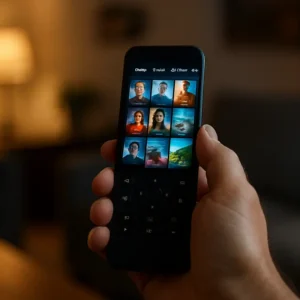
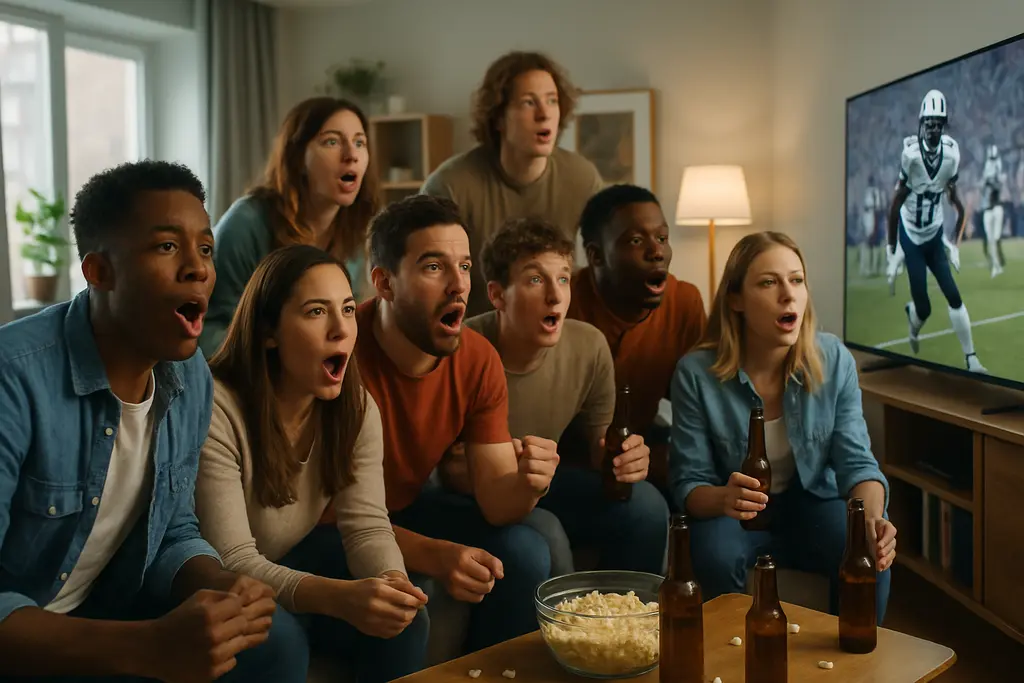
Sports Streaming Rights have become a direct test of audience patience, not just a negotiation between leagues and broadcasters. Confirmed market-analysis in the research set points to sports rights spending still rising in 2026, while fan behavior has become less predictable: many viewers pay for multiple services, some miss games because they cannot find them, and younger fans often follow highlights or social updates instead of full live broadcasts. That does not mean live sports has lost value. It means the value is being split across subscriptions, clips, social feeds, second screens, and event-driven viewing habits.
For media companies, the cultural question is no longer whether premium sports can attract audiences. It can. The harder question is whether fans will accept a more fragmented system if the cost, discovery burden, and access rules keep changing. The answer appears uneven by sport, age group, and market. Confirmed deals in baseball and European football show how fast the access model has shifted, while survey-based findings suggest fans are adapting in ways that may weaken the old assumption that one live broadcast is the center of every sports relationship.
Why Sports Streaming Rights Are Fragmenting
Sports Streaming Rights And The Discovery Problem
Market-analysis: the research set projects global sports media rights spending at $67.34 billion in 2026, up 9.6% from 2025, with North America accounting for 52% of global spend. Those figures point to a market where leagues and rights owners still see premium live events as scarce assets. Yet scarcity does not automatically create a better fan experience. As rights are divided among legacy broadcasters, subscription services, direct-to-consumer products, and selected digital partners, the viewer has to work harder to know where a game sits.
That discovery issue is not abstract. Research cited in the brief says an estimated 64% of Americans pay for at least one sports subscription video service in 2026, while 46% say they have missed a game because they did not know where it was streaming. Confirmed as survey data rather than platform measurement, that finding still matters because it captures a visible audience friction point. Paying for access does not guarantee finding access.
The MLB example shows why leagues are willing to test that friction. Major League Baseball’s new media deals, effective in 2026, bring in about $800 million annually from ESPN, NBC, and Netflix, according to AP reporting on MLB media deals. The reported package includes expanded out-of-market streaming rights, which signals a continued push to place games across broader distribution points. From a league perspective, that can increase revenue and reach. From a fan perspective, it can also create a weekly search problem if the schedule is not clearly communicated.
Rights Growth Does Not Remove Fan Fatigue
Confirmed and market-analysis findings can both be true at once: rights values may keep rising while fans feel worn down by access rules. The research set says traditional pay-TV and linear broadcaster spending had been declining through 2024, while streaming and direct-to-consumer platforms were growing. That shift is not only technical. It changes the emotional contract between sport and supporter.
Linear television trained fans to associate a sport with a familiar channel, time slot, and pregame ritual. Streaming asks fans to maintain accounts, remember which platform holds which rights, check device compatibility, manage prices, and move between apps. For committed fans, that may be tolerable. For casual audiences, it can reduce habit formation, which is one of the most valuable assets in sports media.
Audience Adaptation Is Now Measurable
Younger Fans Are Redefining Attendance From Afar
Reviewed survey findings in the research set show that among U.S. fans ages 18-24 and 25-34, about 47% to 51% follow games through clips, updates, or social media instead of watching full live games. The same brief says 58% of 18- to 34-year-olds use a second screen while watching live sports. These behaviors should not be dismissed as weak fandom. They may represent a different version of attention, one built around constant contact rather than uninterrupted viewing.
For rights holders, the risk is mistaking highlight behavior for a lack of interest. A fan who watches clips, checks live updates, comments on social posts, and watches only late-game moments may still be commercially valuable. That fan may buy merchandise, follow creators, engage with sponsors, and attend major events. The challenge is measurement. Traditional ratings value full-game viewing more clearly than distributed attention across feeds and devices.
This is where event marketing has to adjust. A rights package cannot be judged only by the main broadcast window. It also has to be assessed through social amplification, creator commentary, short-form highlights, search behavior, and the number of fans who return after a major moment. For a related audience-access discussion inside the same publishing network, SiteBob’s analysis of sports rights fees connects rising costs with the pressure to prove fan value across subscriptions, ads, and bundles.
Second Screens Change The Meaning Of A Broadcast
Opinion based on confirmed behavior data: the second screen has turned live sports into a shared media event that is only partly controlled by the rights holder. Fans watch with group chats open, track fantasy-style statistics, follow commentators, post reactions, or monitor other games. That behavior can strengthen engagement, but it also reduces the broadcaster’s control over the viewing path.
Sports Streaming Rights now sit inside that split-attention environment. A broadcaster or platform may own the live feed, but it does not fully own the conversation around the feed. That is why leagues increasingly need coordinated highlight policies, creator relationships, clear social publishing windows, and accessible schedules. If the live product is hard to find, fans may still find the moment through clips, but the rights holder may lose the deeper viewing session that supports subscriptions and advertising.
Broadcasting Changes Move Value Toward Bundles
Pay Access Is Becoming A Cultural Flashpoint
Confirmed reporting from the UK shows how access changes can become symbolic. The Champions League final played on 19 May 2026 was not shown free-to-air in the UK because TNT Sports held the rights and chose not to permit a free broadcast, according to BBC Sport’s Champions League coverage. BBC reported that it was the first time since the competition began in 1992 that the final required a pay subscription in the UK.
That example matters beyond one match. Finals are not ordinary inventory. They function as shared cultural events, drawing casual viewers who may not follow every round. Moving such an event behind a subscription wall may improve rights monetization in the short term, but it can narrow the public reach that helps make a competition feel national or communal.
Market-analysis: this tension is likely to intensify as premium sports rights are grouped into paid services. Bundles can simplify the experience if they reduce app-switching and provide clear value. They can also increase resentment if fans feel they are paying for large packages to follow a small number of teams or events. The outcome depends on pricing, communication, match prominence, and whether fans believe the service gives them enough live and on-demand value.
Direct-To-Consumer Rights Need Better Fan Education
Direct-to-consumer sports products give leagues more control over data, branding, and fan relationships. They also ask leagues to become consumer-service companies. That means clearer onboarding, fewer blackout surprises, stronger customer support, and more transparent messaging around what each subscription includes. Sports fans may accept change, but they are less forgiving when access feels confusing on matchday.
The same point applies to adjacent interest areas, including travel, event attendance, and fan planning. Broader consumer guidance from Pilot Pointer is relevant because sports access is increasingly tied to planning behavior: where fans are, what device they use, what service they already carry, and whether a live event fits into the rest of their day.
Cultural Implications For Fan Engagement
Fragmentation Can Create New Fan Hierarchies
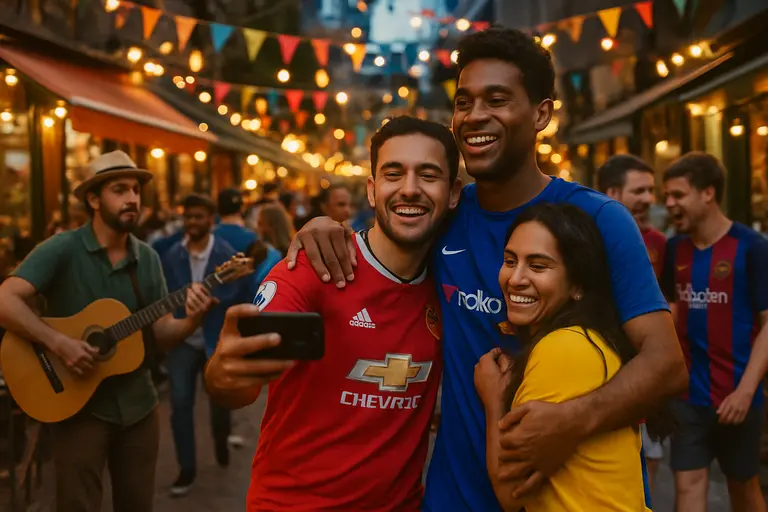
Market-analysis: the shift in Sports Streaming Rights can create a divide between fans who can afford multiple subscriptions and fans who rely on free-to-air coverage, highlights, radio, social feeds, or public venues. That divide matters because sport often markets itself as a shared civic experience. If premium access keeps moving behind more services, leagues may need stronger free highlight strategies, community viewing partnerships, and clear low-cost entry points to keep casual fans attached.
The cultural risk is not only lost viewers. It is lost shared memory. A major final, rivalry game, or playoff moment gains value when many people experience it at the same time. If access narrows, the event may still produce revenue, but its social reach can shrink. That is a strategic concern for leagues that depend on generational renewal.
Fandom Is Becoming Less Linear
Fan identity is no longer built only through watching every minute live. Some supporters enter through athlete clips, documentaries, podcasts, short-form explainers, or creator commentary. Others follow a league casually until a major tournament or final arrives. This does not make them less relevant. It means engagement paths are more varied than the broadcast schedules that once organized sports culture.
- Confirmed: MLB’s 2026 media deals show major leagues still command high annual rights fees.
- Confirmed: The UK Champions League final access shift in May 2026 showed how premium rights can reduce free public availability.
- Market-analysis: Survey findings suggest younger audiences may value clips, updates, and second-screen participation as part of fandom.
- Opinion: Rights owners that explain access clearly are better positioned to retain casual fans than those that rely only on exclusivity.
Sports Streaming Rights Audience Adaptation
The next phase of Sports Streaming Rights will be judged by more than deal value. Rights fees still matter, but the audience response will decide whether those fees create durable fan relationships. If viewers can find games easily, understand what they are paying for, and participate through highlights and social conversation, streaming can expand the sports audience. If access feels expensive and confusing, the same shift can weaken habit, especially among casual fans.
For broadcasters, the practical lesson is to treat distribution as part of fan engagement rather than a back-office rights issue. Every rights split creates a communication challenge. Every subscription wall changes who can participate in a shared event. Every highlight strategy affects whether younger fans see a sport as present in their daily media routine.
Sports Streaming Rights are not simply moving games from cable channels to apps. They are changing the social pattern of fandom: how people discover matches, how they talk during live events, how they value clips, and how they decide which competitions deserve payment. The most successful rights strategies will likely be those that balance revenue growth with access clarity, because fan attention is valuable only if fans can find the event in the first place.