Creator ownership became a sharper strategic question after the Paramount-Warner transaction closed in October 2026. Confirmed fact: the Department of Justice Antitrust Division closed its investigation on June 12, 2026, saying the merger was not likely to harm competition in streaming video-on-demand, linear television, or film production and distribution, according to the DOJ statement. That regulatory finding did not settle the cultural question for creators, fans, or smaller producers. It simply moved the debate from whether the deal could close to how creative rights, distribution control, and monetization terms will be negotiated inside a larger entertainment company.
Market-analysis: consolidation usually changes bargaining conditions before it changes what audiences see on-screen. Larger companies can pair theatrical pipelines, streaming libraries, television networks, consumer data, and franchise brands in ways that smaller creator-led studios cannot easily match. That scale can help a project reach viewers, but it can also make ownership terms more difficult for creators who need distribution more than a distributor needs any single project. The post-merger question is not whether large studios are useful. They are. The question is whether creators can keep meaningful participation in the intellectual property that fans help make valuable.
Creator Ownership After A Mega-Merger
Regulatory Clearance Did Not End The Rights Debate
Confirmed fact: by October 2026, Paramount had completed its takeover of Warner Bros. and the combined Hollywood company was known as Skydance, according to the AP report. AP also reported company commitments that included at least 30 high-quality feature films annually with full theatrical releases, continuing to license content, and preserving iconic brands with independent creative leadership. Those commitments matter because they connect merger approval to the daily mechanics of culture: who develops projects, who controls brand identity, where films are released, and whether creators see long-term upside.
Market-analysis: the phrase independent creative leadership carries weight for fans because franchise identity is not only a corporate asset. It is a relationship among writers, directors, performers, production teams, communities, and viewers who track tone, continuity, representation, and release strategy. If a merged company can protect brand-level independence while expanding distribution, creators may gain access to broader reach without losing the cultural signals that make a project distinct. If the promise becomes mainly a public-facing phrase, audiences may read future slates as homogenized, even when budgets rise.
Creator Ownership As A Fan Trust Signal
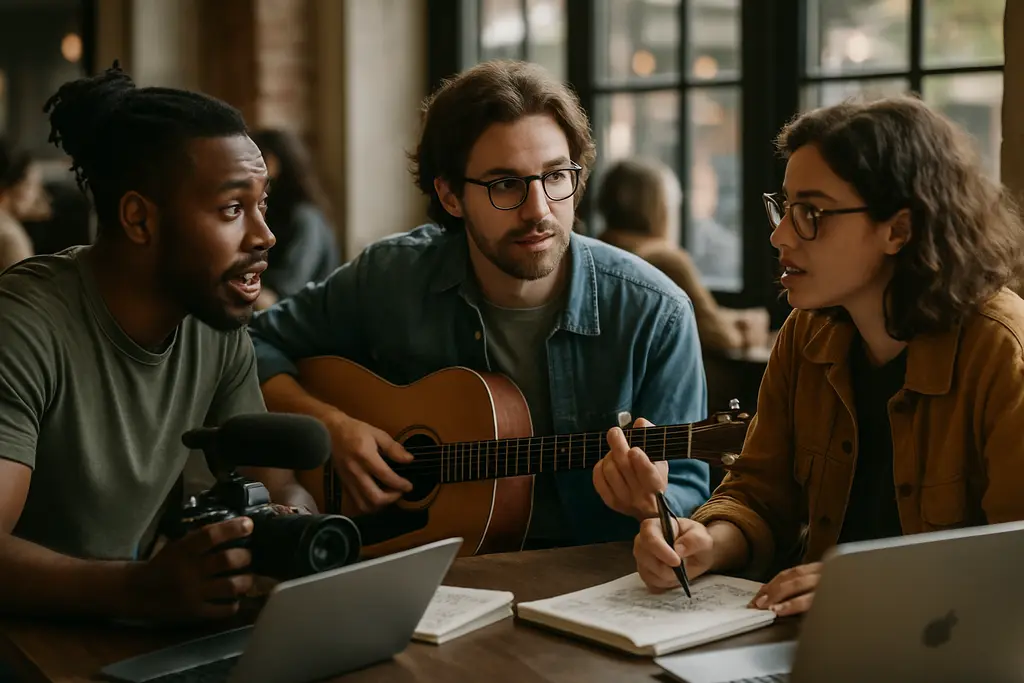
Market-analysis: creator ownership is now part of fan trust. Viewers often react not only to a finished series or film, but to the story of how it was made and who benefits from its success. In creator-led media, that link is even stronger because audiences may have followed a podcaster, filmmaker, YouTuber, writer, or indie collective before a studio deal existed. When the move into a larger company appears to reduce the creator’s stake, fans can interpret the shift as a loss of authenticity. When the creator retains a visible role and a credible economic interest, the partnership can feel less extractive.
Opinion, based on market behavior: studios should treat ownership terms as part of audience communication, not only legal paperwork. That does not mean publishing private contracts. It means being clear about whether a creator is a hired voice, a licensing partner, or a co-owner in new intellectual property. Those distinctions affect expectations. Fans understand that companies finance and distribute projects for commercial reasons, but they also want to know whether the original creative source still has agency.
What Changed For Distribution Power
Scale Raises The Value Of Rights Discipline
Market-analysis: after a mega-merger, distribution power tends to become more centralized. A larger company can decide whether a title moves through theatrical release, streaming exclusivity, third-party licensing, linear windows, or cross-platform promotion. That coordination can help a film or series find its audience. It can also narrow the room for creators to negotiate reversions, sequel rights, format extensions, merchandising participation, or approval rights.
For creator-led companies, the most practical lesson is to separate exposure from ownership. A wide release can build fandom quickly, but a deal that trades away all future rights may limit a creator’s ability to benefit from spinoffs, international adaptations, live events, books, podcasts, or games. SiteBob has covered a related streaming rights issue in its analysis of rights ownership lessons, where control over reversion and licensing windows shaped long-term value. The same principle applies after a merger: reach is valuable, but control determines who participates after the first release cycle.
Three Deal Shapes Set The Stakes
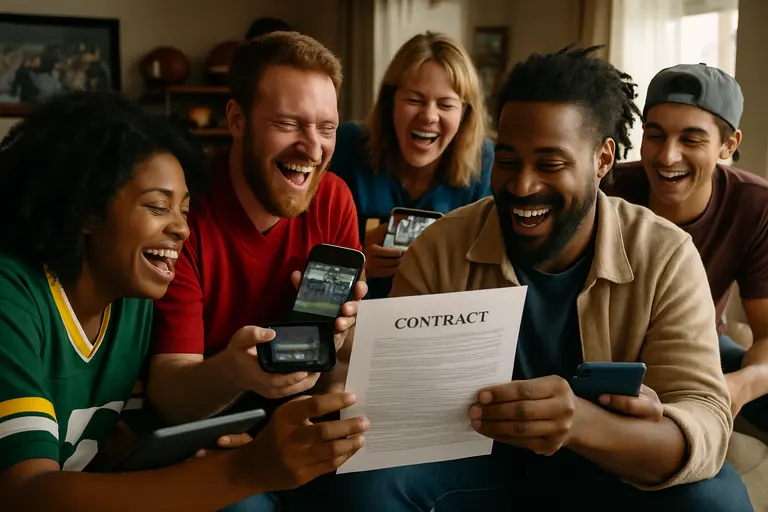
Market-analysis: creator deals generally fall into three broad shapes. Work-for-hire gives the distributor or studio the most control and usually gives the creator the least ownership. Licensing allows the creator to keep the underlying IP while granting defined distribution rights. Co-production shares control, risk, and revenue, often creating a more durable partnership if the parties agree on governance before the project succeeds.
The cultural implication is direct. Work-for-hire may be efficient for studio-managed franchises, but it can feel misaligned for creators whose audience connection is tied to personal authorship. Licensing can protect independence, but it may not give the distributor enough control to justify major spending. Co-production often sounds balanced, yet it requires careful rules on approvals, sequels, data access, marketing responsibilities, and what happens if one side wants to sell or expand the property.
- Confirmed fact: the DOJ did not block the merger on competition grounds.
- Confirmed fact: the merged company made public commitments around theatrical output, licensing, and creative leadership.
- Market-analysis: creators will still need deal terms that protect participation after distribution scale increases.
Why Fans Read Deal Terms As Culture
Franchise Identity And Creative Continuity
Market-analysis: fans do not need a contract memo to sense a creative handoff. They notice shifts in tone, pacing, character treatment, release rhythm, marketing voice, and platform placement. A merged company that controls more distribution points can build stronger campaigns, but the same power can make projects feel centrally processed if creative continuity is weak. That risk is higher for creator-originated formats, where fans often feel they discovered the work before institutional buyers did.
Reviewed from an audience strategy angle: the safest path is not to romanticize independence or reject scale. The better path is to design partnerships where the creator’s continuing presence is legible. That can include producer status with real authority, public development updates, format boundaries, community feedback channels, and release plans that respect how the original fandom formed. Awards and festival ecosystems also influence this trust loop; BIFF Award provides a relevant example of how recognition within award circuits can impact perceptions of creative authority.
Monetization Must Match The Community
Market-analysis: monetization strategy can strengthen or weaken fan engagement. If a creator-led property moves behind a restrictive release plan without clear audience value, fans may feel that the community built the property and then lost access to it. If the distributor expands availability through theatrical, streaming, licensing, and community-facing promotion, the commercial model can feel additive rather than enclosing.
This is where the Paramount-Warner deal becomes a case study beyond one company. The AP-reported commitment to continue licensing content suggests that exclusivity is not the only path for a merged studio. Market-analysis: that matters for creators because third-party licensing can keep older seasons, library titles, or related projects in circulation. It also matters for fans who may not subscribe to every service in a consolidated media system.
Creator Ownership In Media Distribution
The Practical Test For New Deals
Market-analysis: creator ownership will be tested in the next wave of media distribution deals by four contract questions. First, who owns the underlying IP if the project expands beyond its first format? Second, who controls release windows and platform licensing? Third, who receives data about audience behavior, churn impact, completion, and repeat viewing? Fourth, what happens if the property becomes more valuable after the creator’s community drives early adoption?
Those questions should be answered before a deal is celebrated publicly. A creator who keeps IP but lacks approval rights may still lose practical control. A studio that funds a project but cannot build a long-term rights position may underinvest. A fan community that sees the creator disappear after acquisition may assume the worst, even when the project is financially successful. The strongest post-merger partnerships will align rights, distribution, and audience communication from the first announcement.
Opinion: the future is unlikely to be creator control versus studio control as a simple binary. The more durable model is shared participation with clear boundaries. Large distributors can fund, market, and release projects at scale. Creators can supply audience trust, format fluency, and cultural specificity. Fans can reward partnerships that feel fair and punish ones that appear to strip authorship from the people who built the original relationship.
For media strategists, the lesson after the Paramount-Warner deal is cautious but clear: consolidation can expand reach, but rights architecture decides who benefits from that reach. If creators, studios, and distributors want fandoms to follow them into bigger systems, ownership terms cannot be treated as back-office details. They are now part of the audience experience.
